
📋About Arc Institute
Updated August 26, 2026Arc Institute is a non-profit biomedical research organization based in Palo Alto, California, founded in 2021 by Silvana Konermann, Patrick Hsu, and Patrick Collison to fund long-horizon science outside the traditional grant cycle. It operates in partnership with Stanford University, UC Berkeley, and UC San Francisco, and pays for multi-year programs directly rather than requiring researchers to chase individual grants.
Its most visible work in AI is the Evo family of genome language models, which read and write DNA at single-nucleotide resolution across contexts reaching a million base pairs. Arc publishes the model weights under the Apache 2.0 license along with OpenGenome2, the trillions-of-tokens pretraining corpus, making it one of the few frontier-scale biological modeling efforts that is genuinely open rather than API-gated.
In August 2026, a Stanford and Arc team led by Brian Hie published work in *Science* using Evo 1 and Evo 2 to design complete bacteriophage genomes from scratch — the first demonstration that an AI system can generate functional genomes rather than individual genes or proteins. Sixteen of roughly 300 synthesized designs produced working viruses, three of which outcompeted the natural strain they were modeled on. Arc excluded human viruses from pretraining as a deliberate biosecurity measure, and presented that exclusion as part of the result.
🛠️Products & Tools (1)
Open genome language model from the Arc Institute that reads and writes DNA at single-nucleotide resolution across contexts up to a million base pairs. In August 2026 it became the first AI system shown to design complete, working genomes. Apache 2.0 weights at 1, 7, 20, and 40 billion parameters.
Keep track of the companies you’re watching
- Save the companies you want to follow
- Get ⚡ alerts when your saved companies change
- Every product they ship, cross-linked to 900+ AI tool profiles
- Today’s top AI Stories — the day’s most important AI news, free
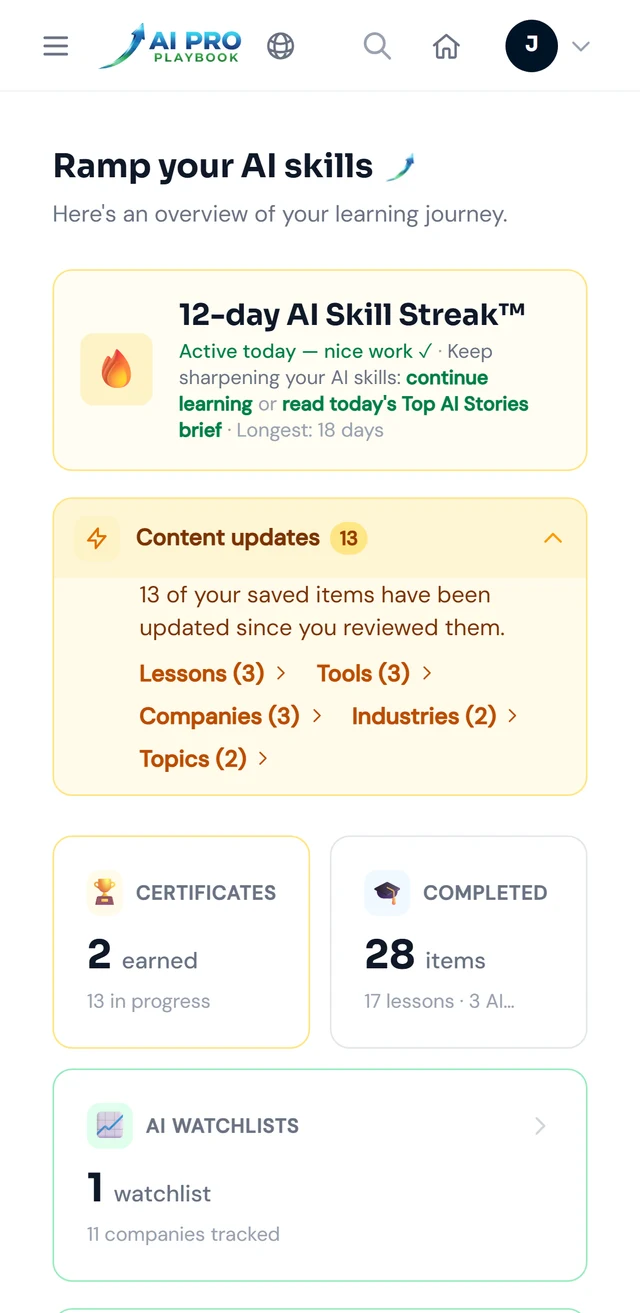
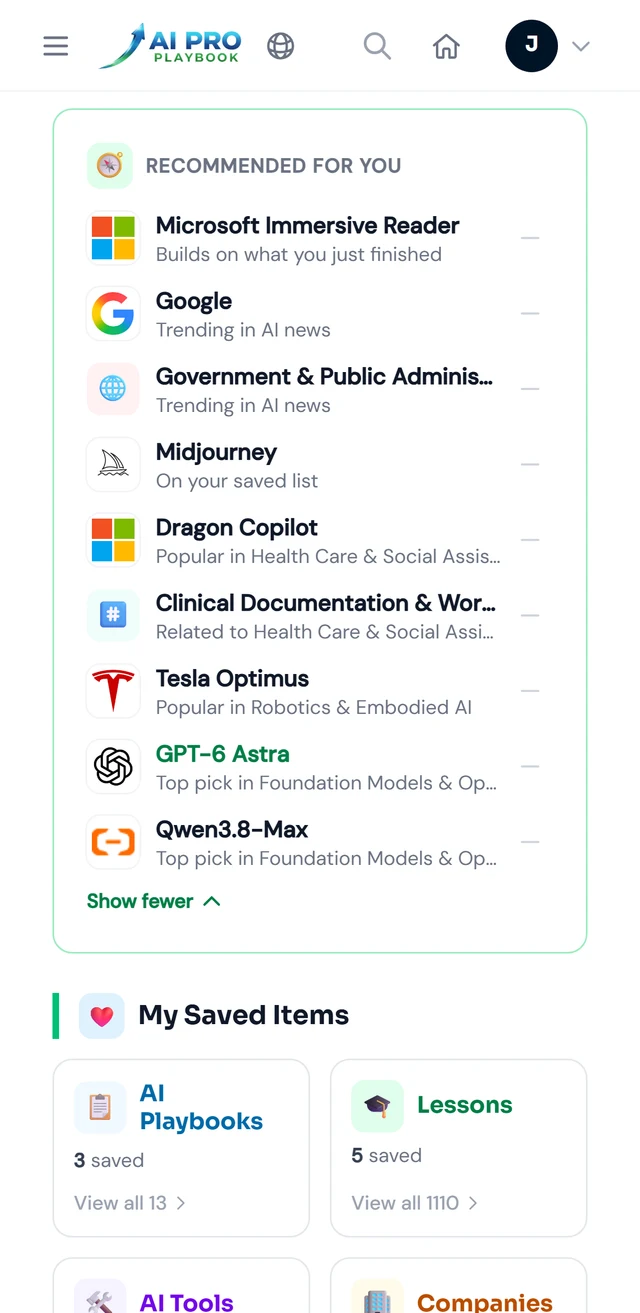
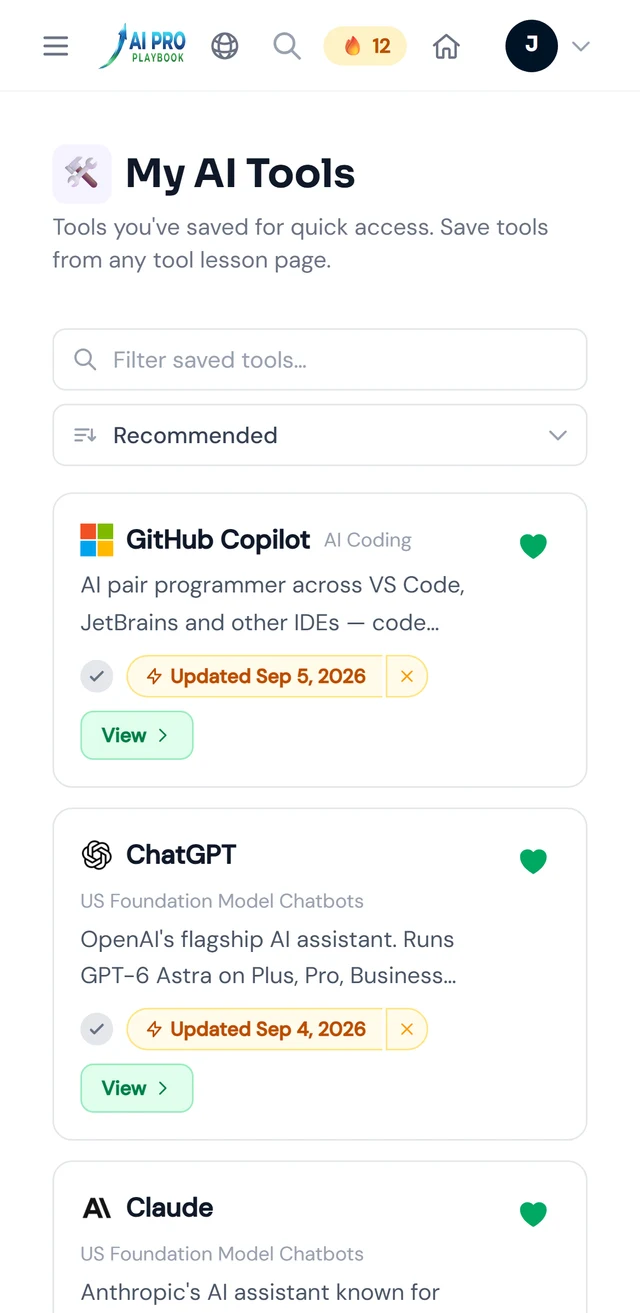
Swipe for Recommended for you and My AI Tools
Your AI Hub — sample data. See desktop view example