
📋About Cadence Design Systems
Updated September 16, 2026Cadence Design Systems is one of the two dominant electronic design automation (EDA) vendors globally, alongside Synopsys. Founded in 1988 from the merger of SDA Systems and ECAD, the company went public on NASDAQ as CDNS in 1988. The company's headquarters is in San Jose, California.
Cadence's product portfolio is structured around five core business areas: Digital IC Design and Signoff (Innovus, Genus, Tempus), Custom and Analog Design (Virtuoso — the de-facto standard for analog and mixed-signal design), System Design and Analysis (Allegro PCB, OrCAD, Sigrity, Clarity), Verification and Emulation (Xcelium simulation, JasperGold formal verification, Palladium hardware emulator), and Intellectual Property (memory controllers, interface IP, Tensilica DSP cores). The Palladium emulation systems — large hardware-based simulators used to verify chip designs at near-real-time speed — are particularly differentiated, with Cadence holding meaningful share against Synopsys ZeBu and Siemens Veloce.
Cerebrus Intelligent Chip Explorer is Cadence's flagship AI offering for chip implementation — a reinforcement-learning system that optimizes physical-design closure, competing directly with Synopsys DSO.ai. Cerebrus has been deployed at major chip designers including Renesas, Samsung, Mediatek, and Marvell. The broader Cadence.AI portfolio includes Verisium (AI-driven verification optimization), Allegro X AI (AI for PCB design), and Optimality Intelligent System Explorer for system-level optimization. Strategic acquisitions including Future Facilities (data-center digital twins), OpenEye Scientific (molecular discovery), and BETA CAE Systems (mechanical CAE) have extended Cadence beyond core EDA into computational fluid dynamics (CFD), AI-infrastructure design, and broader simulation markets — positioning the company against both Synopsys+Ansys and adjacent vendors.
🛠️Products & Tools (1)
AI-driven chip implementation tool using reinforcement learning to automate physical-design closure — competing directly with Synopsys DSO.ai.
Keep track of the companies you’re watching
- Save the companies you want to follow
- Get ⚡ alerts when your saved companies change
- Every product they ship, cross-linked to 900+ AI tool profiles
- Today’s top AI Stories — the day’s most important AI news, free
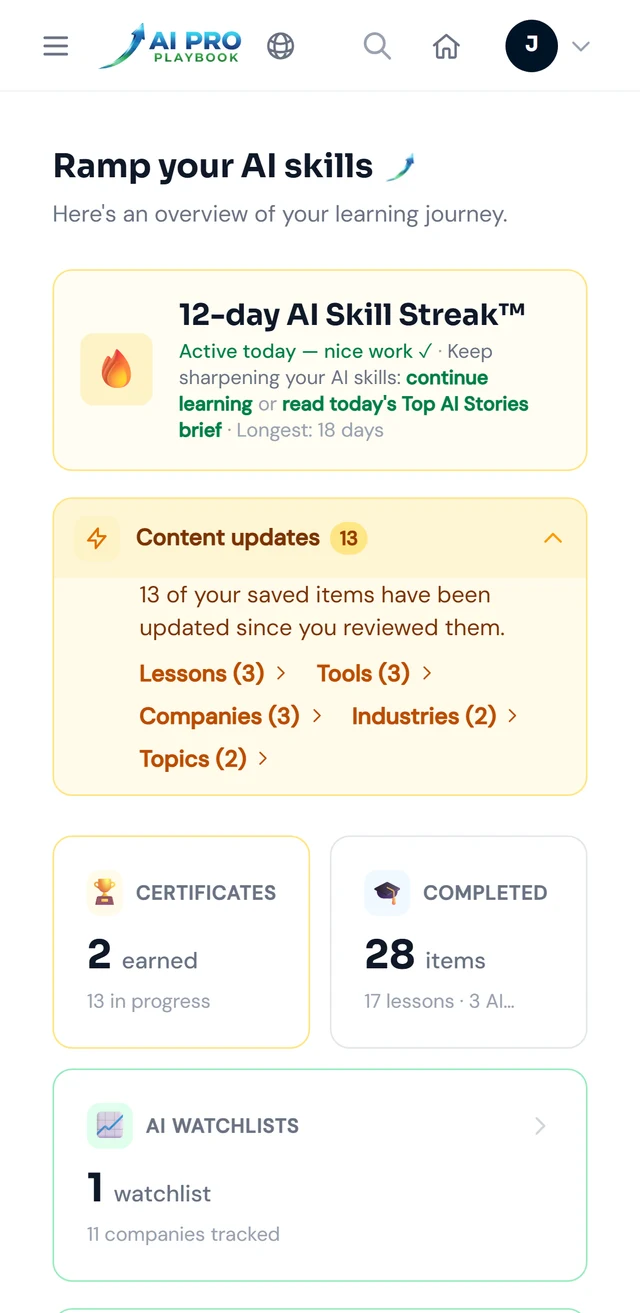
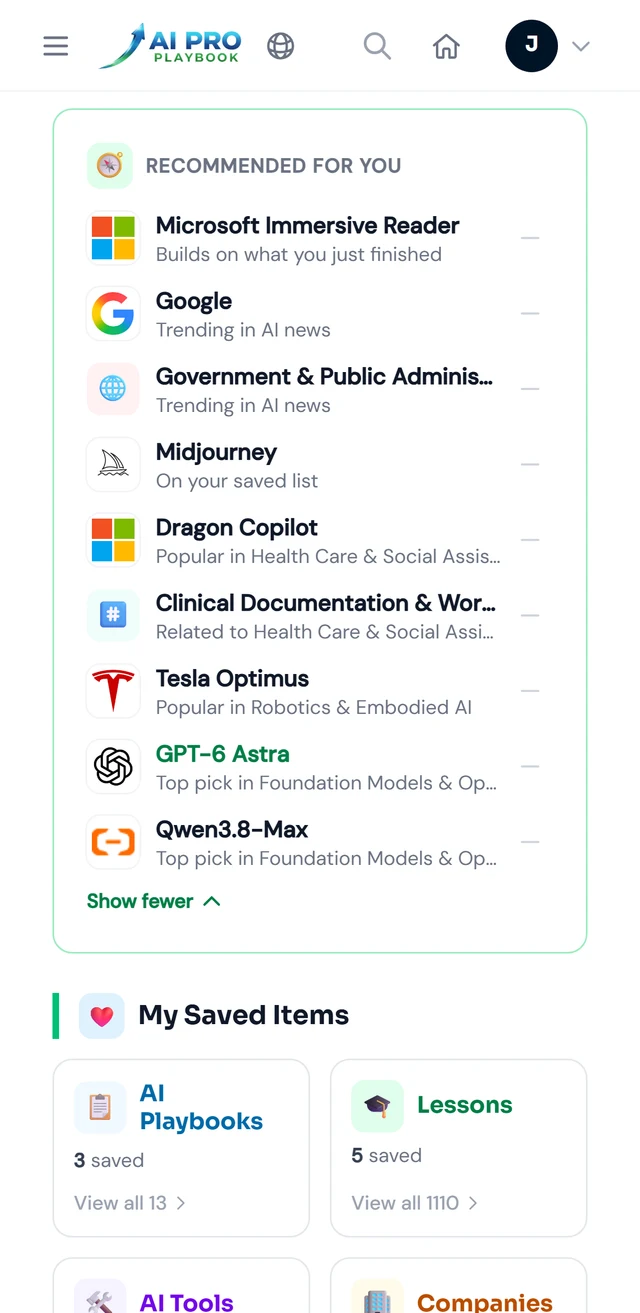
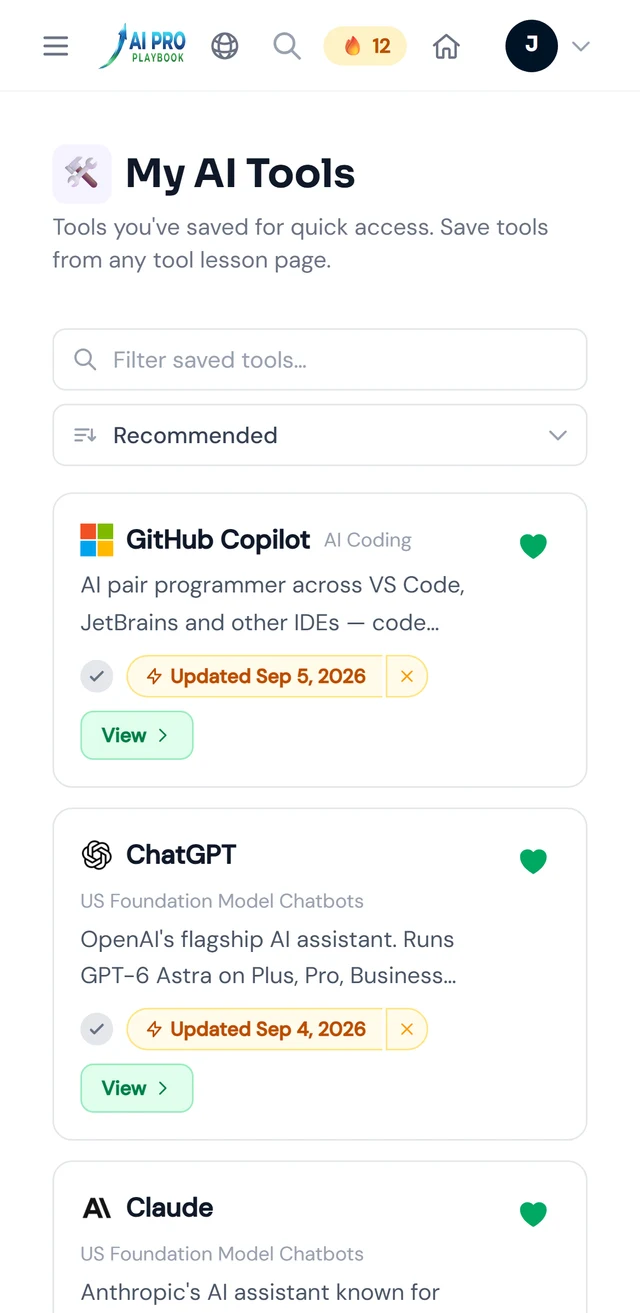
Swipe for Recommended for you and My AI Tools
Your AI Hub — sample data. See desktop view example