
📋About CXMT
Updated August 26, 2026CXMT — formally ChangXin Technology Group, and known in the market by its DRAM brand ChangXin Memory — is China's leading maker of dynamic random-access memory (DRAM), the commodity memory that sits alongside processors in phones, PCs and AI servers. Founded in 2016 and headquartered in Hefei, Anhui province, it grew out of a provincial-government-backed effort to give China a domestic answer to the Samsung–SK Hynix–Micron memory oligopoly, and is now the world's fourth-largest DRAM producer.
The company listed on the Shanghai Stock Exchange's STAR Market in July 2026 under the code 688825, in the largest Chinese domestic offering since 2010 and the biggest initial public offering in Asia that year. Shares closed their first session up 466%, making CXMT the most valuable company listed on a mainland Chinese exchange. The offering was heavily oversubscribed, and the scale of the reception says less about the company's current products than about how badly Chinese investors want exposure to domestic semiconductor capacity.
Its strategic significance is high-bandwidth memory (HBM). HBM is the gating constraint on AI accelerator performance — bandwidth between memory and compute matters more than raw arithmetic throughput for most large-model work — and it is supplied almost entirely by SK Hynix, Samsung and Micron, all of them subject to US export rules that restrict what can be sold into China. CXMT is the country's most credible attempt to build that capability at home, which is why its capacity roadmap is followed as closely by policymakers as by customers.
Two constraints are worth keeping in view. CXMT's access to the most advanced chipmaking equipment is heavily restricted by export controls, forcing it to rely on Chinese toolmakers whose capability at the leading edge is unproven. And it is a memory manufacturer, not an AI company — it does not build models, chips for inference, or AI software. Its relevance here is as infrastructure: it is one of the few companies positioned to determine whether Chinese AI hardware can be built without Western supply chains.
Keep track of the companies you’re watching
- Save the companies you want to follow
- Get ⚡ alerts when your saved companies change
- Every product they ship, cross-linked to 900+ AI tool profiles
- Today’s top AI Stories — the day’s most important AI news, free
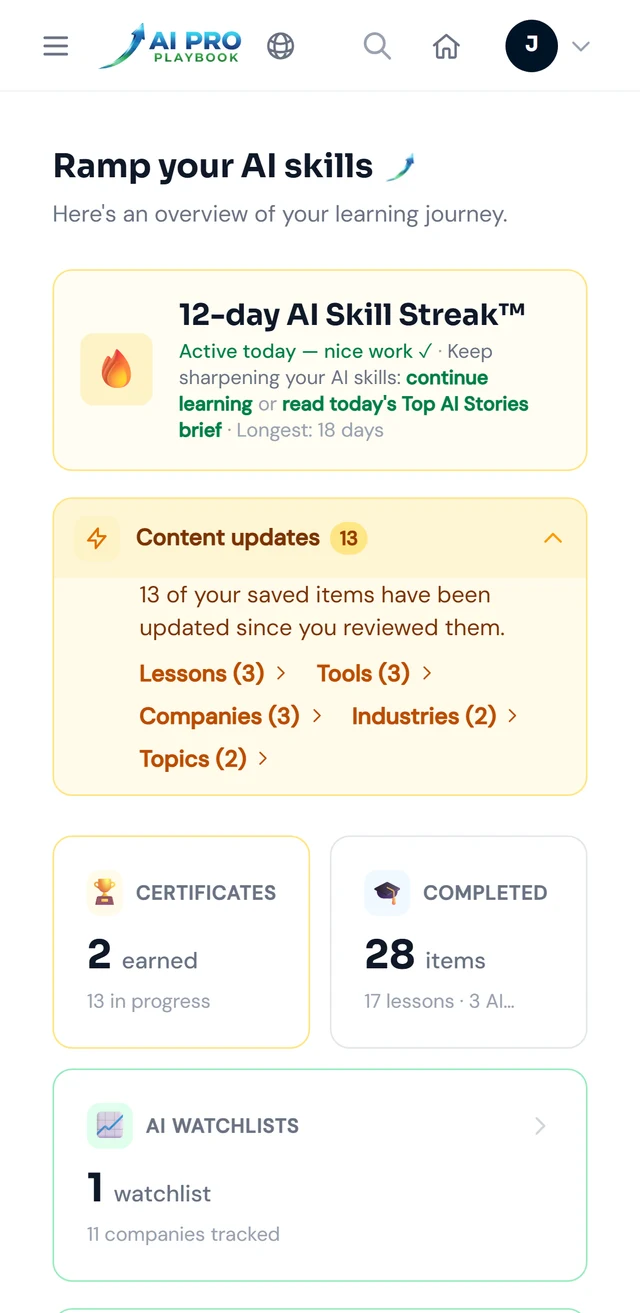
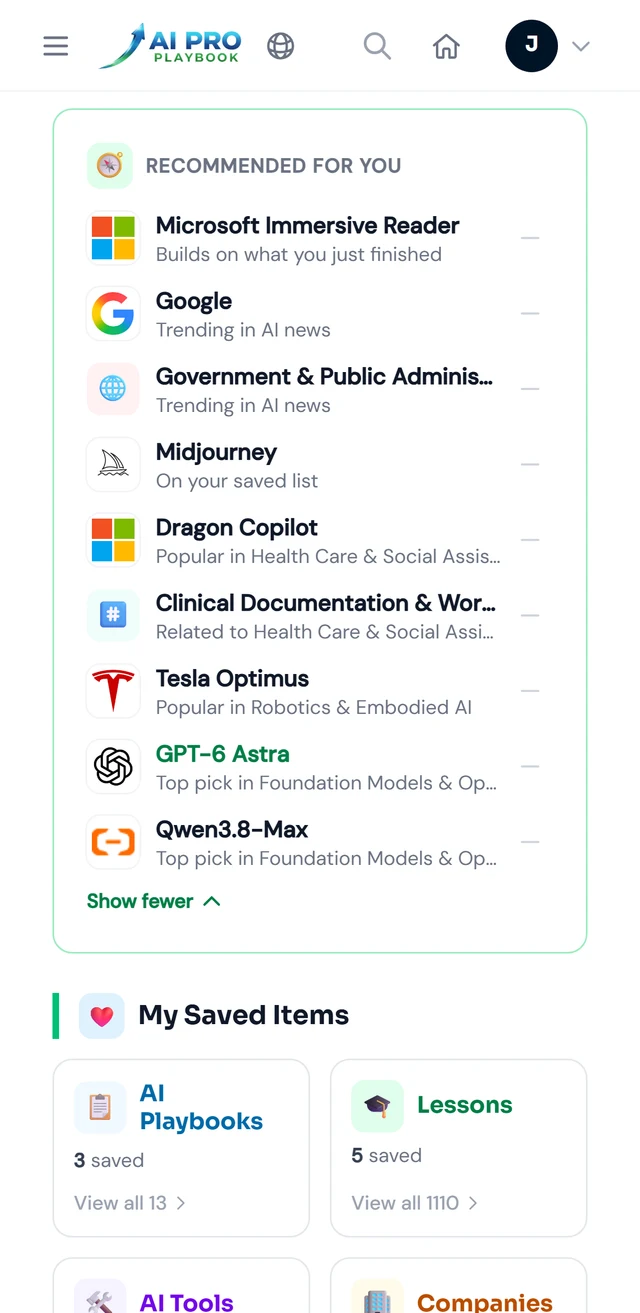
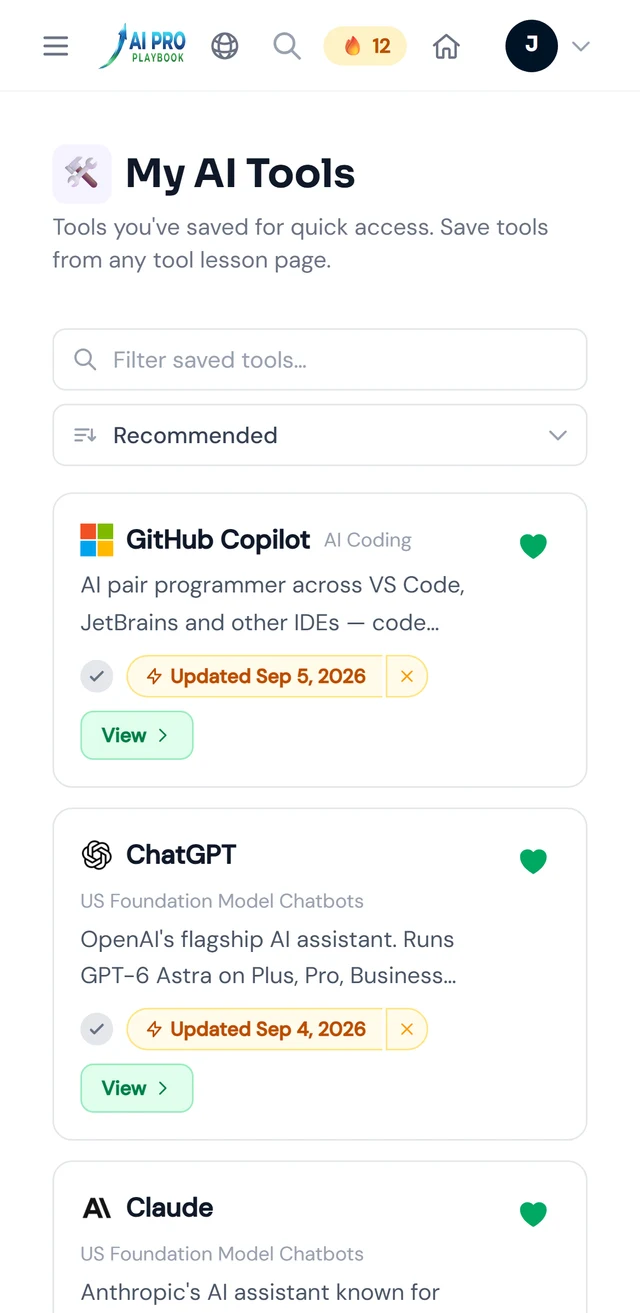
Swipe for Recommended for you and My AI Tools
Your AI Hub — sample data. See desktop view example