
📋About Enigma
Updated August 26, 2026Enigma is an Israeli robotics lab founded in 2025 by Jonathan Jacobi and Gal Niv, which emerged from stealth on July 27, 2026 with a $71 million seed round, led by Index Ventures and Ribbit Capital. Sarah Guo's Conviction Partners joined the round, alongside individual executives from OpenAI, Anthropic, Google DeepMind, xAI, Cognition, and Wiz. The founders met as teenagers in competitive hacking contests and later served together in Unit 8200, Israel's signals-intelligence corps. Jacobi was previously the youngest person Microsoft had ever hired, and was later recruited to the cloud-security company Wiz by its founder Assaf Rappaport.
The company builds robotics foundation models and, unusually, the robotic arms those models run on — both developed in-house rather than assembled from third-party hardware. Owning both layers is the strategic bet. Most robotics startups either train models for hardware someone else designed, or build hardware and license the intelligence; Enigma argues the problem it cares about cannot be solved cleanly from either side alone.
That problem is human-robot interaction rather than raw capability. Jacobi frames the goal as making robot control as effortless as adjusting a volume knob, and the founders describe their organizing question as not "how capable can a machine be" but "what should it feel like to be in the room with one." It is a deliberately different emphasis from the dexterity and autonomy benchmarks that dominate humanoid robotics.
Enigma launched alongside a large public experiment. More than one hundred of its robots, housed in hangars in Israel and California, were put online through a platform called Robots.online for anyone in the world to operate. The robots paint with brushes, fence with swords, and run simple chemistry experiments by picking up and mixing flasks. The exercise doubles as data collection: how a person gestures, speaks, or demonstrates a task becomes training signal for the models and evidence for the interface design. The company says it is working with partners in healthcare, logistics, and entertainment, though it has not named deployments or disclosed a valuation.
Keep track of the companies you’re watching
- Save the companies you want to follow
- Get ⚡ alerts when your saved companies change
- Every product they ship, cross-linked to 900+ AI tool profiles
- Today’s top AI Stories — the day’s most important AI news, free
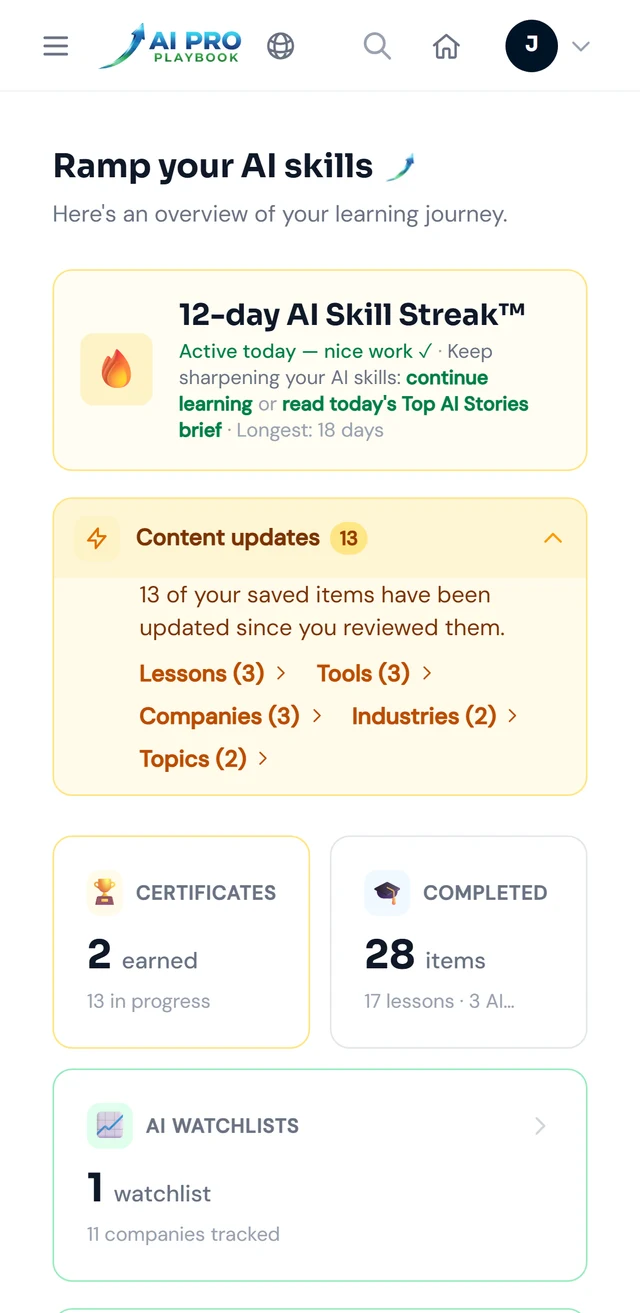
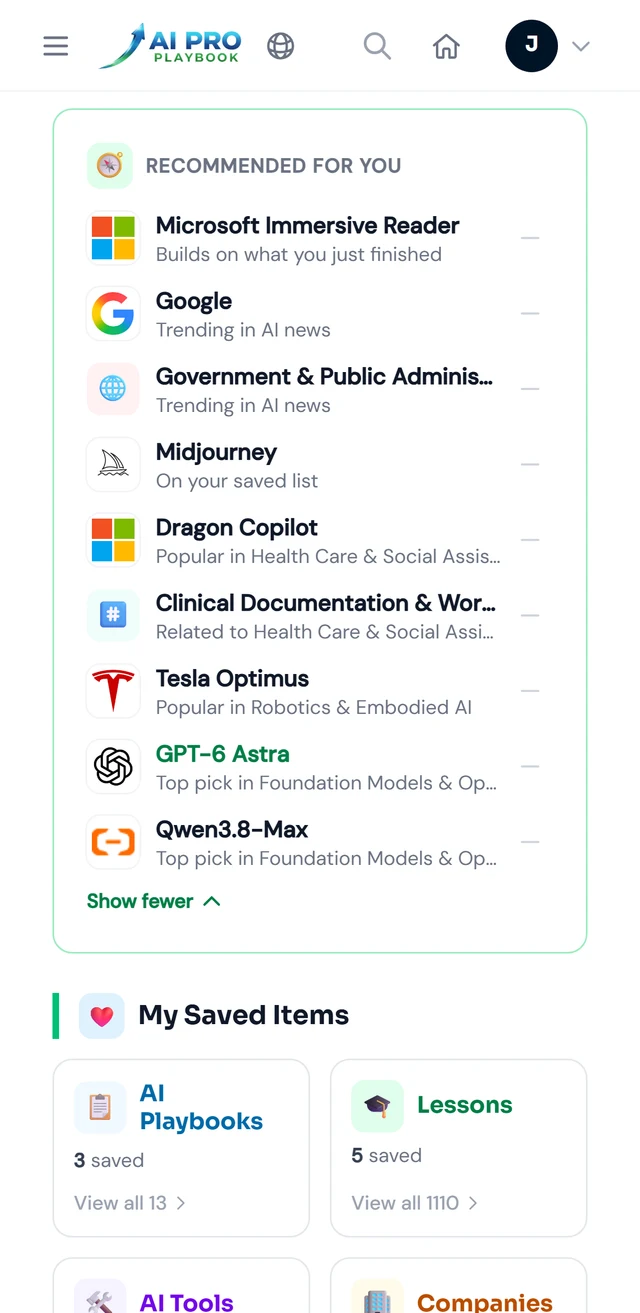
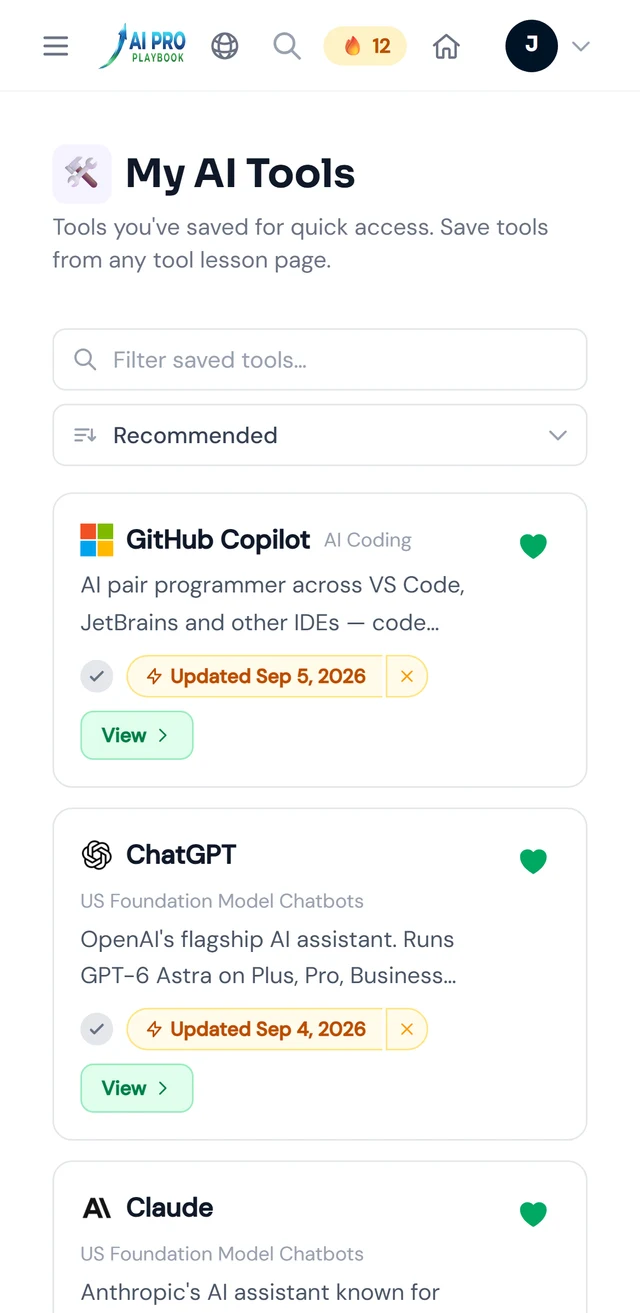
Swipe for Recommended for you and My AI Tools
Your AI Hub — sample data. See desktop view example