
📋About Esri
Updated August 26, 2026Esri is the dominant commercial geographic information system (GIS) vendor globally. Founded in 1969 in Redlands, California by Jack Dangermond and Laura Dangermond, the company remains privately held under Dangermond family ownership. Esri holds roughly 40% global GIS market share by revenue, with customers spanning federal and state governments, utilities, telecommunications, defense, transportation, and Fortune 500 enterprises. ArcGIS Pro is the desktop GIS standard for spatial analysts; ArcGIS Online is the cloud platform; ArcGIS Enterprise is the on-premises tier. The platform underpins utility infrastructure management, government parcel/zoning systems, transportation planning, environmental modeling, public-safety dispatch, and countless other domains. The AI layer announced over 2024-2025 brings natural-language spatial queries, automated feature extraction from imagery (GeoAI extension), predictive spatial analytics, and AI-augmented map design — turning queries that previously required SQL, Python, or ModelBuilder into conversational asks like "show me parcels at flood risk where building permits expire next year." GeoAI extension uses deep learning to extract features automatically from aerial and satellite imagery (building footprints, vehicle counts, land-use classification, road networks, vegetation health) with pre-trained models for common urban, agricultural, and infrastructure use cases. Esri Living Atlas provides curated reference data (administrative boundaries, demographics, imagery) that thousands of customers build upon. The platform faces competitive pressure from open-source QGIS at the lower end and from cloud-native location-intelligence vendors like CARTO at the upper end, but remains the de-facto standard for federal, state, utility, and defense customers globally.
🛠️Products & Tools (1)
GIS platform with embedded generative AI — natural-language query of spatial data, automated feature extraction from imagery, and predictive analytics for utilities, government, and infrastructure.
Keep track of the companies you’re watching
- Save the companies you want to follow
- Get ⚡ alerts when your saved companies change
- Every product they ship, cross-linked to 900+ AI tool profiles
- Today’s top AI Stories — the day’s most important AI news, free
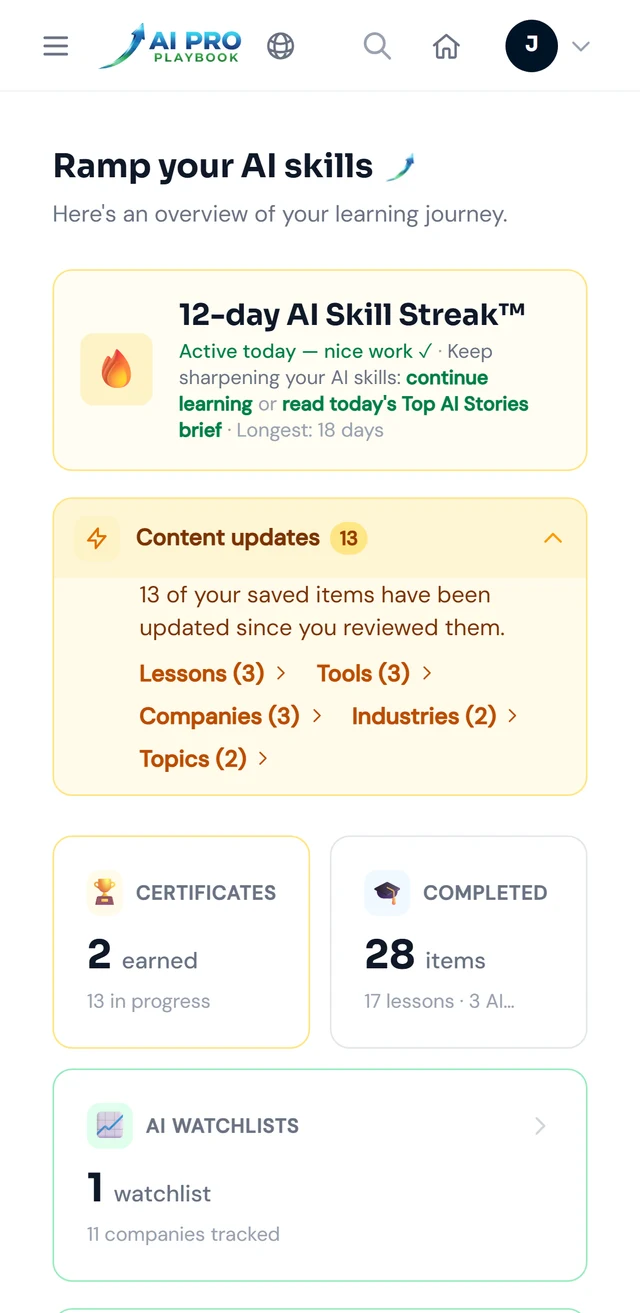
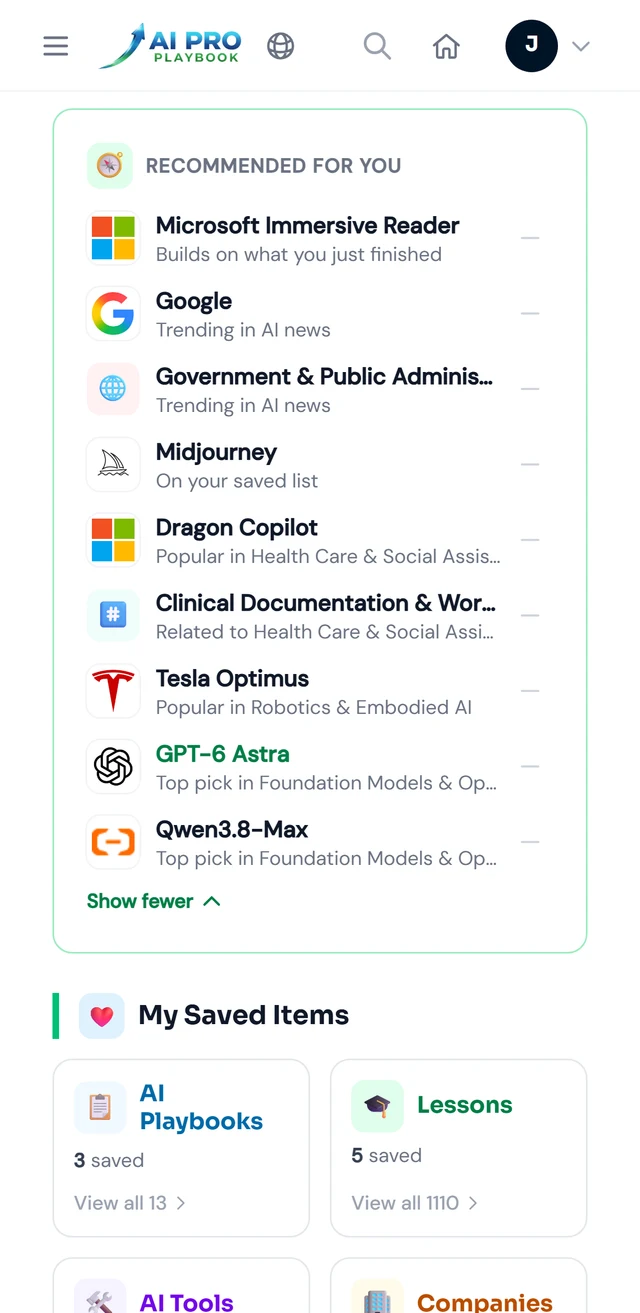
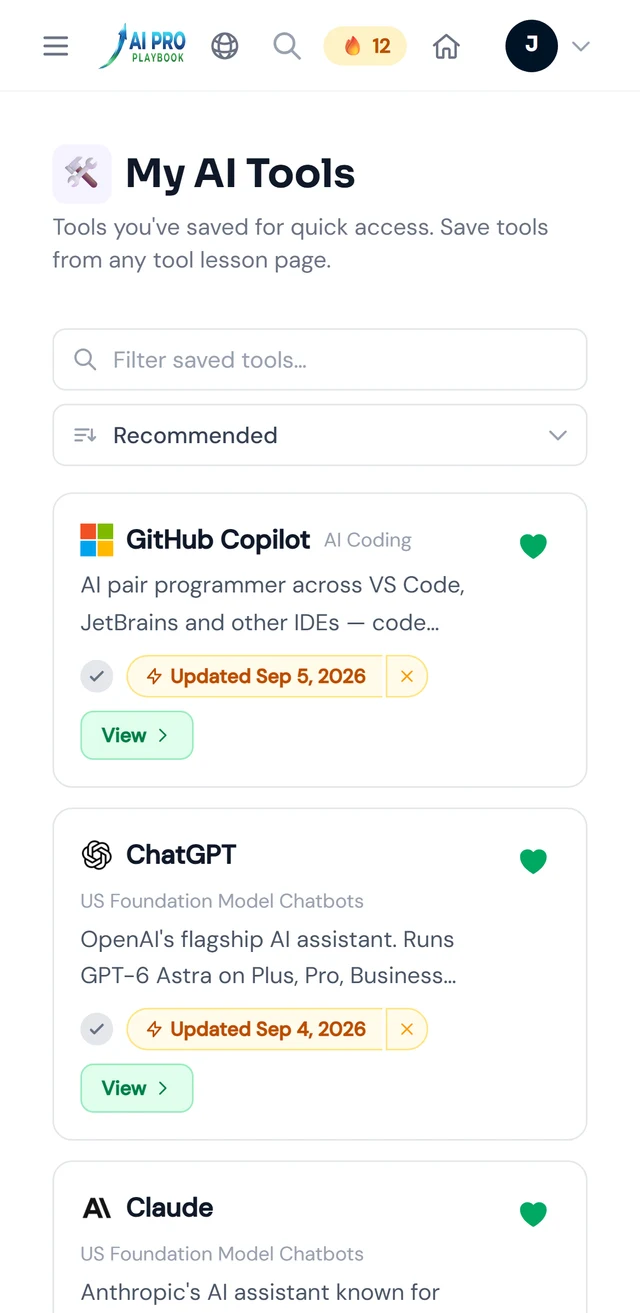
Swipe for Recommended for you and My AI Tools
Your AI Hub — sample data. See desktop view example