📋About Huawei
Updated August 26, 2026Huawei is a Chinese multinational technology company founded in 1987 by Ren Zhengfei, and one of the world's largest telecommunications equipment manufacturers. Despite US sanctions restricting access to advanced chips and technology, Huawei has maintained its position as a major technology player through aggressive domestic innovation.
Huawei's AI portfolio includes the Ascend series of AI processors (designed as alternatives to NVIDIA GPUs), the MindSpore open-source AI framework, and Pangu large language models for enterprise applications. The Ascend 910B and the newer Ascend 950PR — both manufactured domestically to circumvent US export controls — power AI training and inference workloads for Chinese enterprises and government agencies. Huawei Cloud provides AI development platforms and model hosting services.
Huawei's AI efforts are strategically important for China's goal of technological self-sufficiency. As US export restrictions limit Chinese companies' access to NVIDIA and AMD GPUs, Huawei's Ascend chips have become the de facto domestic alternative — and the trajectory has tilted decisively in Huawei's favor. Alibaba, ByteDance, and Tencent are all running production AI workloads on Ascend silicon, DeepSeek's V4 release in April 2026 was optimized for Ascend before CUDA, and Alibaba Cloud and Tencent Cloud both deployed V4 services within hours of release. Huawei expects roughly $12 billion in AI accelerator revenue in 2026 — up from $7.5 billion in 2025 — on orders already placed by those three customers alone, while NVIDIA CEO Jensen Huang has publicly acknowledged that NVIDIA's share of the Chinese AI accelerator market is now near zero. Huawei's massive R&D spending reflects its determination to close — and in the Chinese market increasingly invert — the AI hardware gap.
🛠️Products & Tools (1)
Huawei's latest AI accelerator. 1.56 PFLOPS FP4, featuring Huawei's in-house HBM memory. Claims 2.8x H20 performance. Part of roadmap targeting 4 zettaflops by 2028.
Keep track of the companies you’re watching
- Save the companies you want to follow
- Get ⚡ alerts when your saved companies change
- Every product they ship, cross-linked to 900+ AI tool profiles
- Today’s top AI Stories — the day’s most important AI news, free
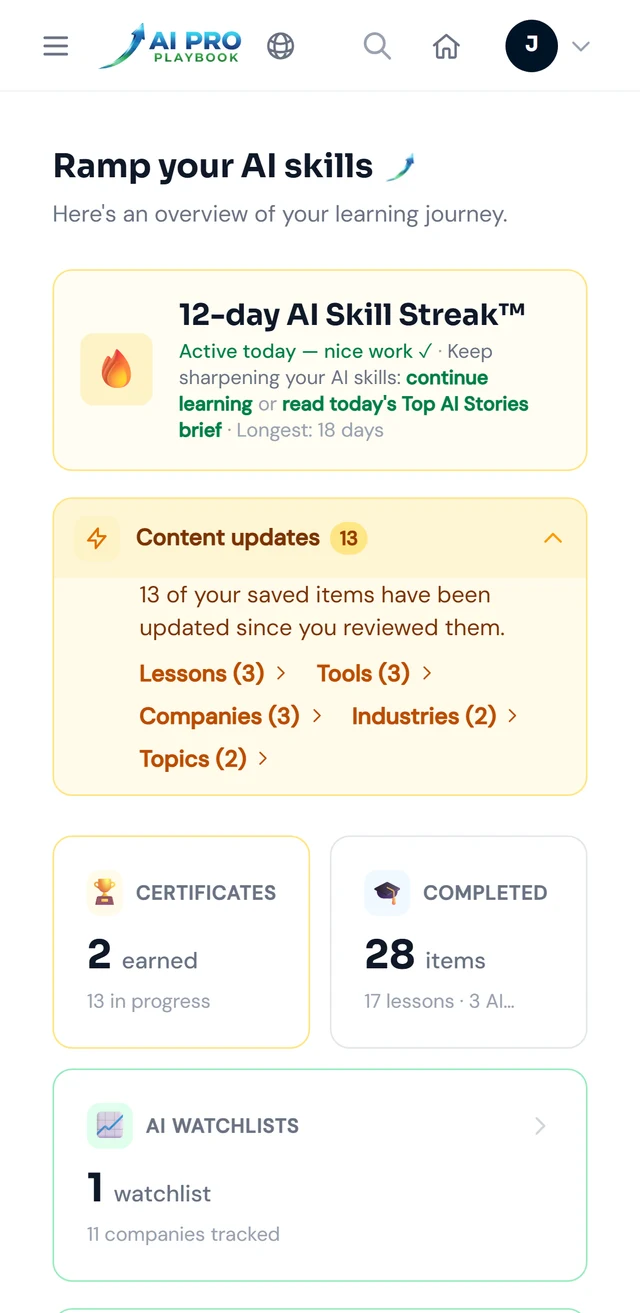
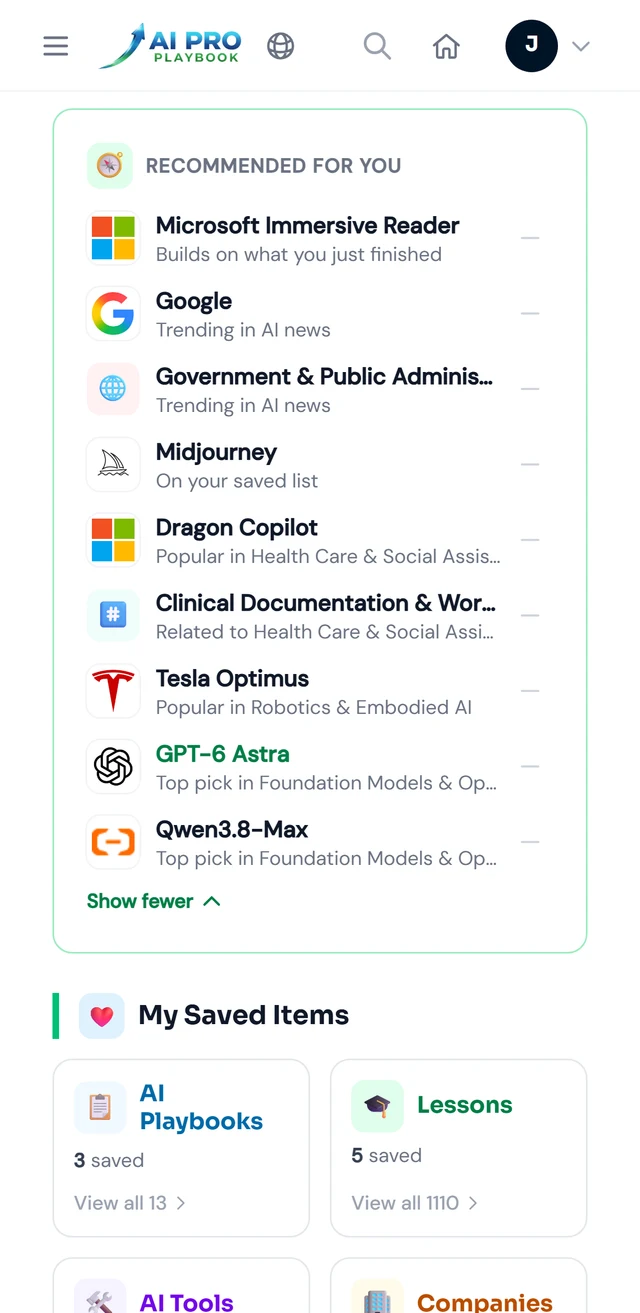
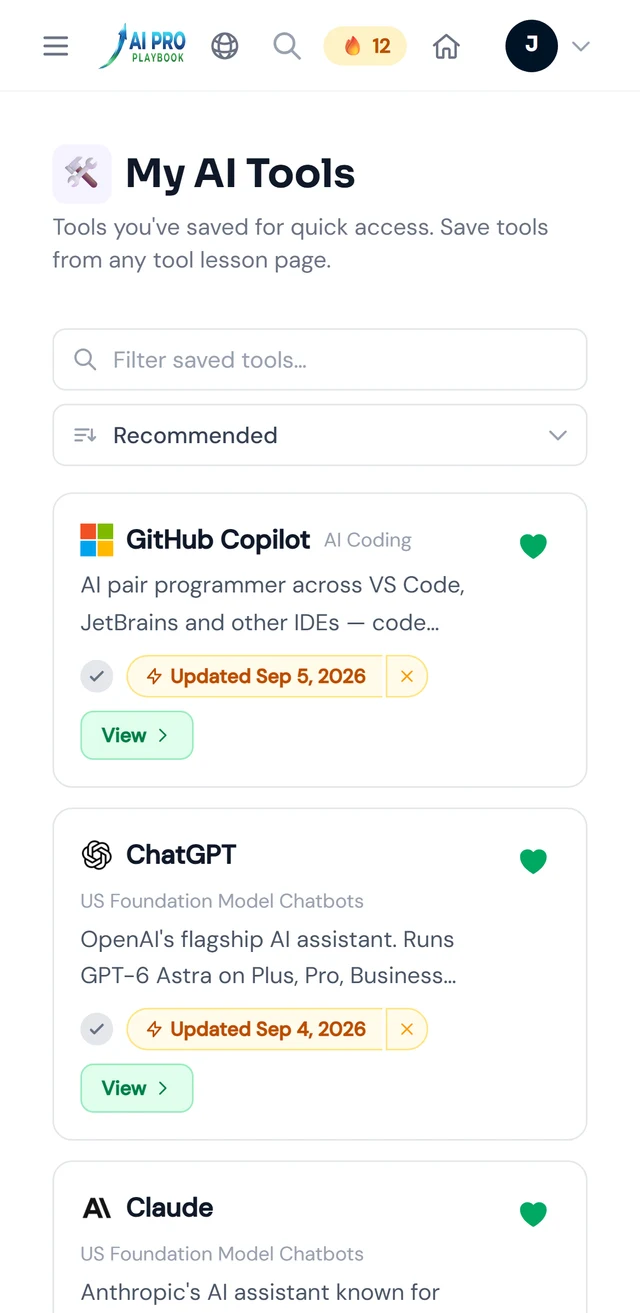
Swipe for Recommended for you and My AI Tools
Your AI Hub — sample data. See desktop view example