
📋About Kroger
Updated September 16, 2026The Kroger Co. is the second-largest US grocery retailer across its retail and pharmacy operations. Founded in 1883 by Bernard Kroger in Cincinnati, Ohio, the company has been publicly traded since 1928 and trades on NYSE as KR. Kroger operates approximately 2,800 stores under banners including Kroger, Ralphs, Fred Meyer, Harris Teeter, King Soopers, Smith's, Fry's, Dillons, City Market, and Mariano's. Combined US grocery employment exceeds 414,000 workers — one of the largest US private-sector employer counts. The proposed $24.6 billion acquisition of Albertsons announced in 2022 was blocked by the FTC in December 2024 after a sustained antitrust battle.
Kroger's 84.51° subsidiary (named for the longitude of Cincinnati) is one of the most-developed retail-data-and-analytics platforms globally. Originating from the company's 2003 acquisition of dunnhumby USA, 84.51° integrates Kroger's loyalty-card data (covering 60+ million households) with brand-consulting work for CPG manufacturers — Kroger derives approximately $1+ billion in annual high-margin revenue from selling brand insights and ad-placement to companies like Procter & Gamble, Unilever, and Coca-Cola. The 84.51° platform has been a meaningful growth driver despite the broader grocery-margin pressure.
Kroger's AI strategy spans 84.51° (the data and ML platform), customer-facing AI personalization (Kroger Boost subscription, Kroger Pay), in-store automation (electronic shelf labels, Walmart-Symbotic-style automated fulfillment piloted in select markets), and Ocado-powered customer fulfillment centers (CFCs) — Kroger's 2018 partnership with Ocado, the UK online-grocery automation specialist, has produced approximately 9 operational CFCs in the US (with several deployed and one closed after slower-than-expected ramp). Pharmacy operations use AI for prescription processing and clinical-decision support. Going forward, Kroger's AI investment is likely to focus on 84.51° data-monetization, last-mile delivery economics, and store-operations efficiency — particularly important as the failed Albertsons merger requires Kroger to grow organically.
Keep track of the companies you’re watching
- Save the companies you want to follow
- Get ⚡ alerts when your saved companies change
- Every product they ship, cross-linked to 900+ AI tool profiles
- Today’s top AI Stories — the day’s most important AI news, free
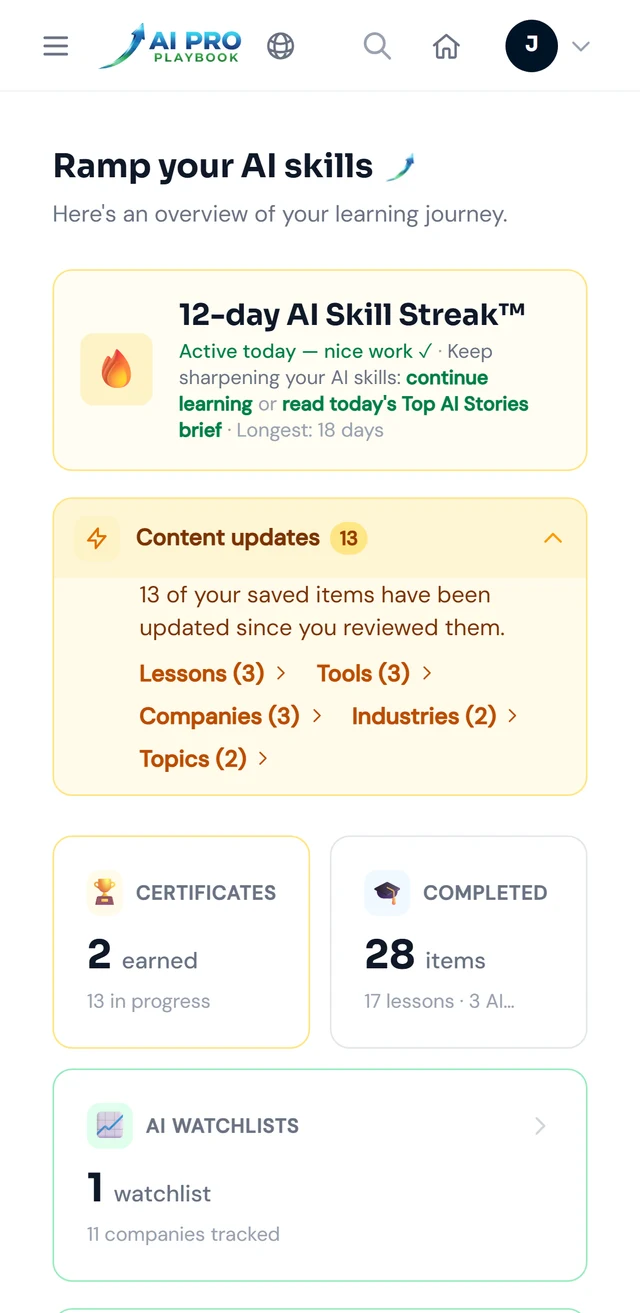
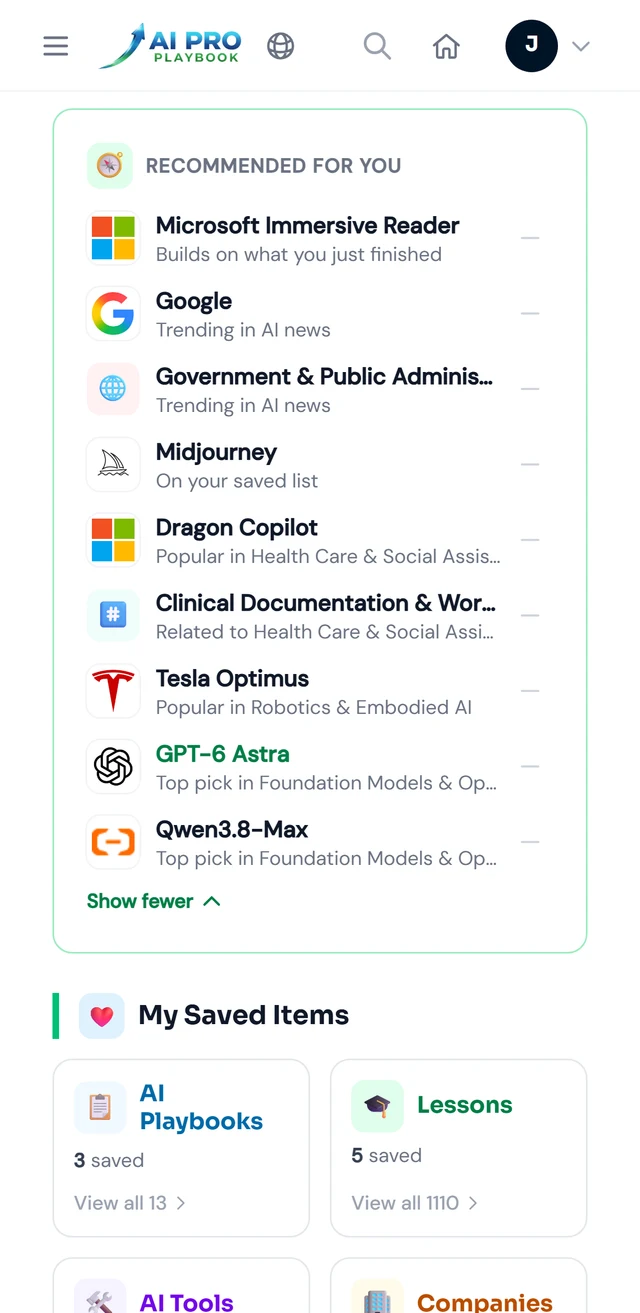
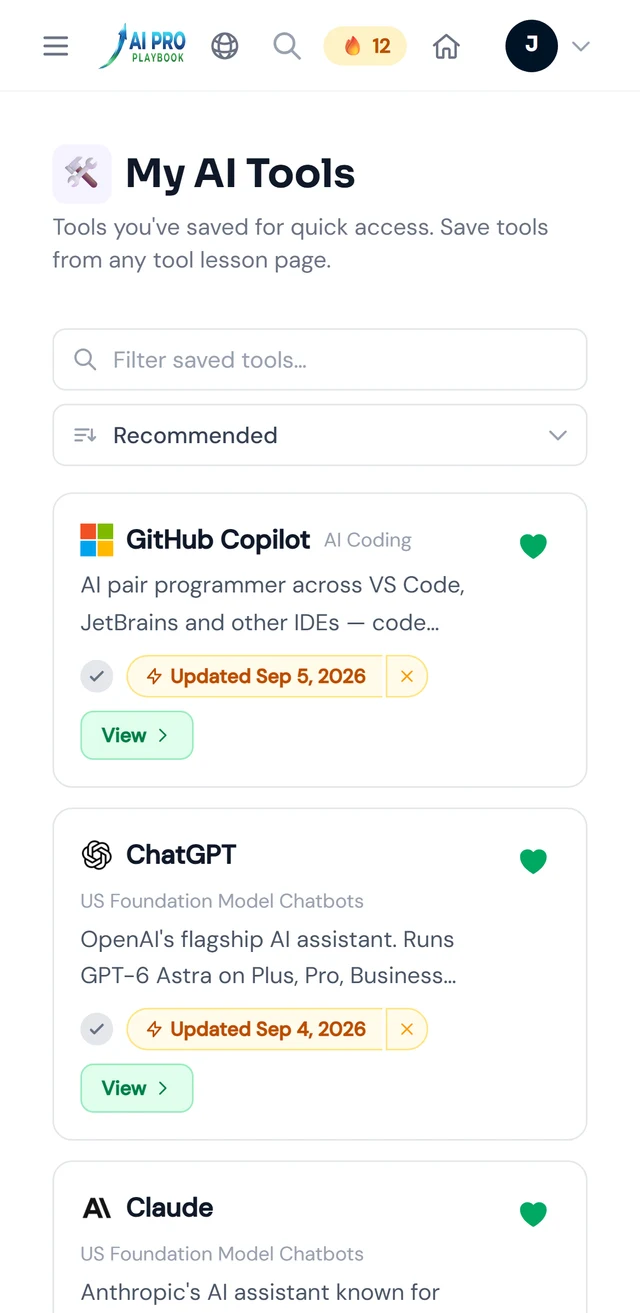
Swipe for Recommended for you and My AI Tools
Your AI Hub — sample data. See desktop view example