
📋About Pickle Robot
Updated August 26, 2026Pickle Robot is a physical-AI company founded in 2018 and headquartered in Cambridge, Massachusetts, focused on one of the hardest jobs in logistics: unloading floor-loaded trailers and shipping containers packed with unpredictable boxes. It builds robots that reach into a wall of freight and remove cases one by one, dynamically, without a fixed plan.
The differentiator is AI. Pickle's system pairs a vision system with generative-AI foundation models trained on large amounts of real unloading data, letting the robot choose which case to grab next and how, in cluttered and constantly shifting conditions. In 2026 UPS began deploying roughly four hundred Pickle units — a contract reported at around one hundred twenty million dollars — a rare large-scale commercial commitment in autonomous manipulation.
The honest framing: Pickle is a genuine AI-first robotics bet aimed at a narrow, high-value task where learned perception and manipulation clearly beat mechanical unloaders. Its bet is depth on trailer and container unloading rather than a general-purpose robot.
🛠️Products & Tools (1)
Autonomous truck- and container-unloading robots driven by vision and generative-AI foundation models trained on real logistics data.
Keep track of the companies you’re watching
- Save the companies you want to follow
- Get ⚡ alerts when your saved companies change
- Every product they ship, cross-linked to 1,000+ AI tool profiles
- Today’s top AI Stories — the day’s most important AI news, free
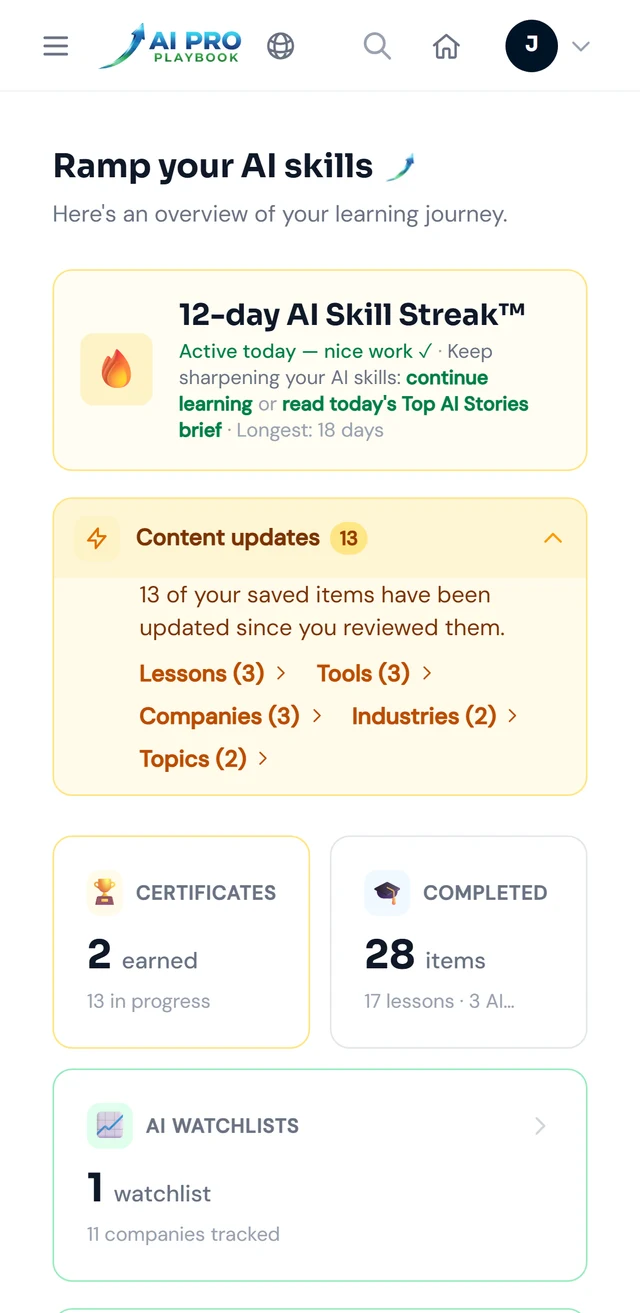
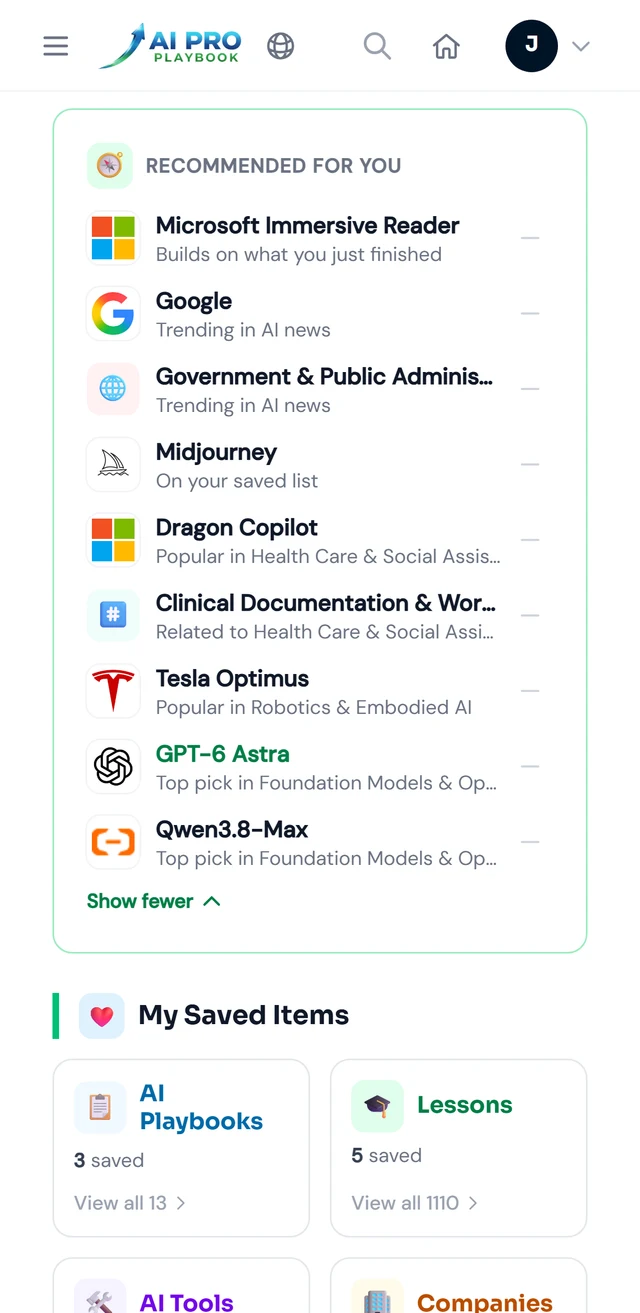
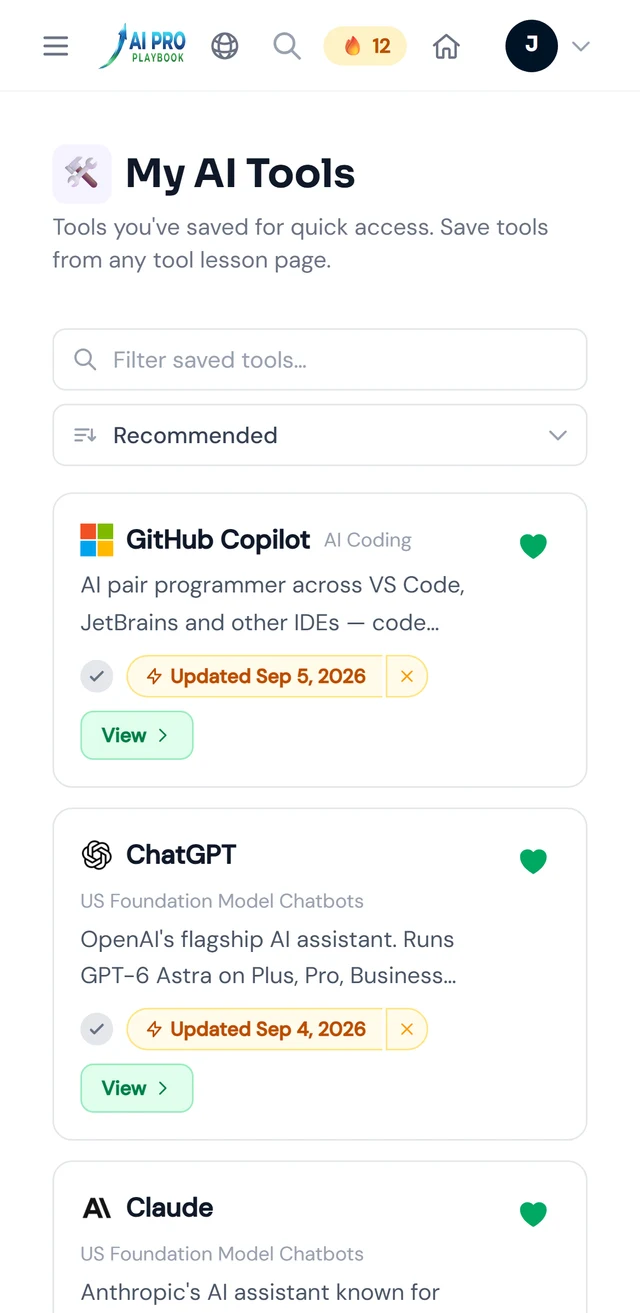
Swipe for Recommended for you and My AI Tools
Your AI Hub — sample data. See desktop view example