
📋About PsiQuantum
Updated August 26, 2026PsiQuantum is a private quantum-computing company headquartered in Palo Alto, California, founded in 2016 by a team that includes Jeremy O'Brien and Terry Rudolph. While most quantum companies build qubits from superconducting circuits or trapped ions, PsiQuantum builds them from light — using silicon photonics, in which information is encoded in individual particles of light traveling through waveguides etched onto chips. Its photonic chip is called Omega, with reported gate fidelity of 99.999 percent on key components.
The company's defining thesis is to skip the noisy near-term era of quantum computing and aim directly at a fault-tolerant machine with roughly one million qubits — the scale most researchers believe is required to solve genuinely useful problems. Its argument is that the only credible path to that scale is to manufacture quantum chips the same way the world already makes conventional ones: at high volume, in existing semiconductor foundries. PsiQuantum's chips are fabricated at GlobalFoundries.
PsiQuantum is the best-funded pure-play quantum company. It raised a one billion dollar Series E in September 2025 at a valuation of roughly seven billion dollars, with investors including BlackRock, Temasek, Baillie Gifford, and NVIDIA's venture arm, NVentures. It secured a roughly one hundred million dollar letter of intent through the US Commerce Department's CHIPS program, and is building government-backed data centers in Brisbane, Australia (about 620 million Australian dollars) and in Chicago.
The company has no usable product, software development kit, or cloud access today. It remains a long-horizon research and infrastructure bet, with useful, fault-tolerant machines targeted around 2027 and beyond.
🛠️Products & Tools (1)
A private, best-funded photonic quantum bet aiming straight for a million-qubit fault-tolerant machine built in commercial chip foundries. No product yet — a long-horizon roadmap.
Keep track of the companies you’re watching
- Save the companies you want to follow
- Get ⚡ alerts when your saved companies change
- Every product they ship, cross-linked to 900+ AI tool profiles
- Today’s top AI Stories — the day’s most important AI news, free
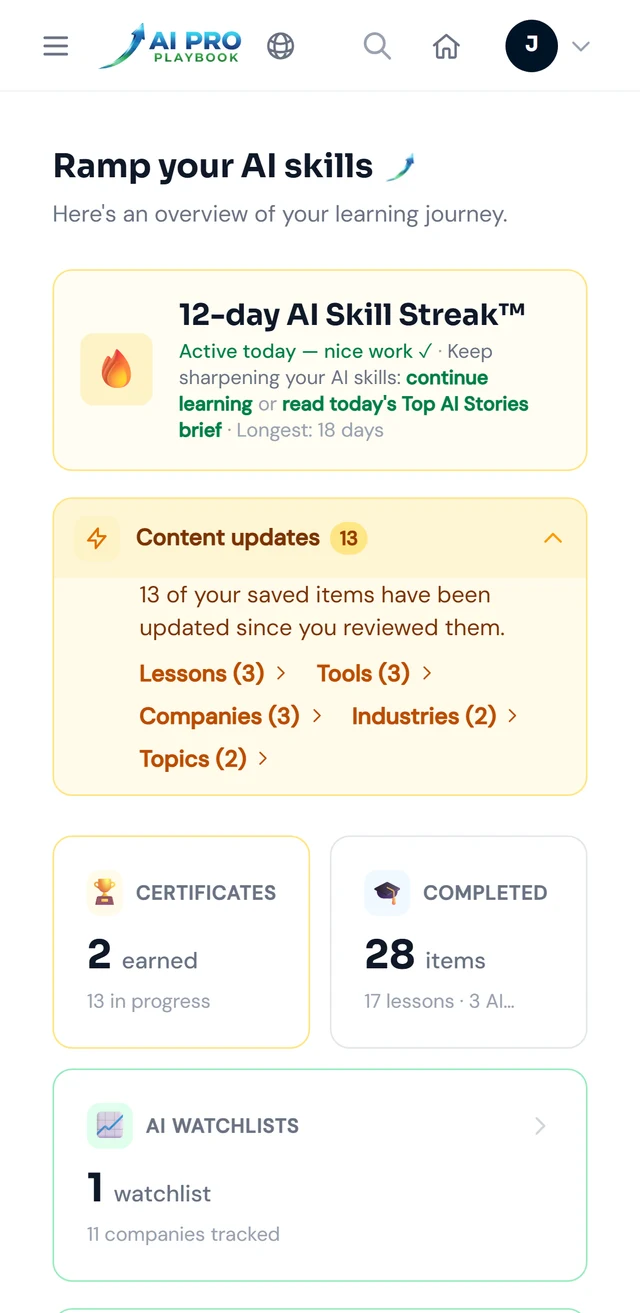
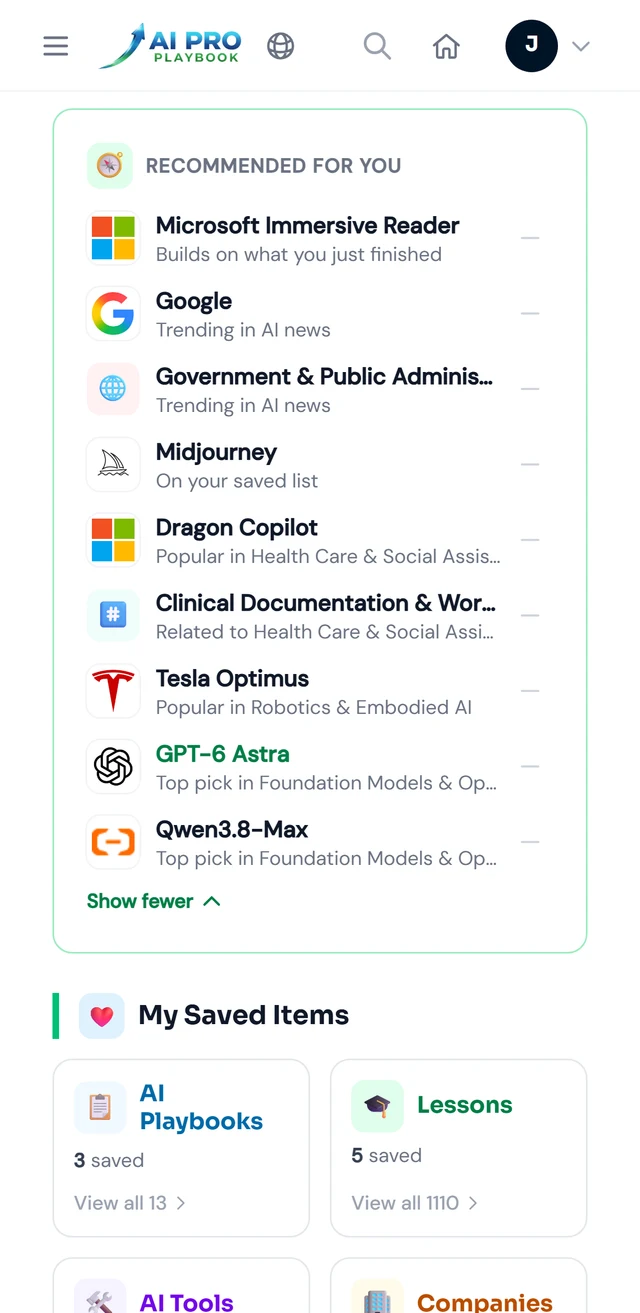
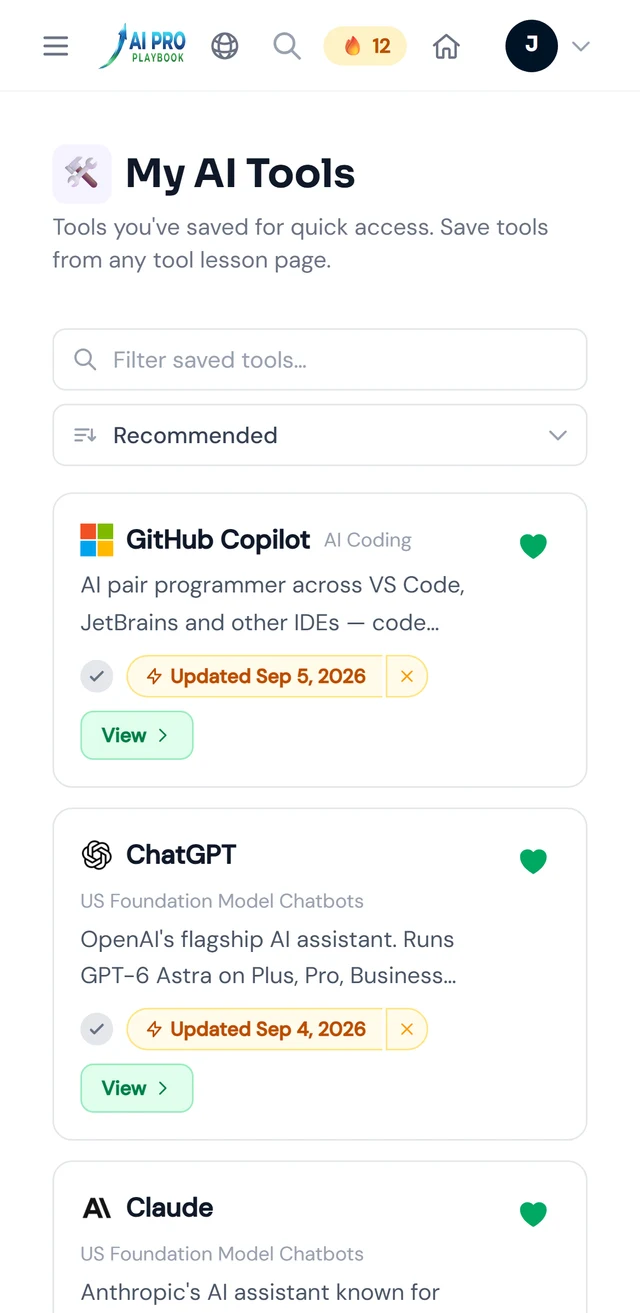
Swipe for Recommended for you and My AI Tools
Your AI Hub — sample data. See desktop view example