📋About Recursive Superintelligence
Updated August 26, 2026Recursive Superintelligence is an AI research lab building open-ended self-improving systems — models that identify weaknesses in their own performance and work to close them. It emerged from stealth in May 2026 with $650 million in funding from backers including GV, Alphabet's venture arm, along with NVIDIA and AMD. It is led by founder and chief executive Richard Socher, previously chief scientist at Salesforce and a co-founder of the AI search company You.com, alongside co-founder Tim Rocktäschel, formerly of Google DeepMind. The founding group includes researchers drawn from OpenAI, DeepMind, Google Brain, Meta and Uber AI, among them Peter Norvig and Cresta co-founder Tim Shi. The lab operates from San Francisco and London.
In July 2026 the company signed a $410 million multiyear compute agreement with Amazon Web Services, committing the bulk of its funding to capacity rather than headcount. The deal is unusual in a market where large compute commitments are routinely bundled with an investment from the cloud provider: Amazon is selling capacity here, not taking a stake. The two companies also said they would co-develop infrastructure aimed at research organizations with similar workloads. Socher described the agreement as "likely going to be one of the smallest compute deals we're going to sign in the next few years."
That spending shape reflects the lab's thesis. Socher has framed the company around compute in place of staffing — "for us, it's less about headcount and more about agent count" — on the argument that a system which automates its own research loop converts compute into progress more directly than additional researchers would. The company had not released a product as of late July 2026, with Socher pointing to October as the earliest window for something tangible, so its technical claims remain unvalidated by outside users.
Keep track of the companies you’re watching
- Save the companies you want to follow
- Get ⚡ alerts when your saved companies change
- Every product they ship, cross-linked to 900+ AI tool profiles
- Today’s top AI Stories — the day’s most important AI news, free
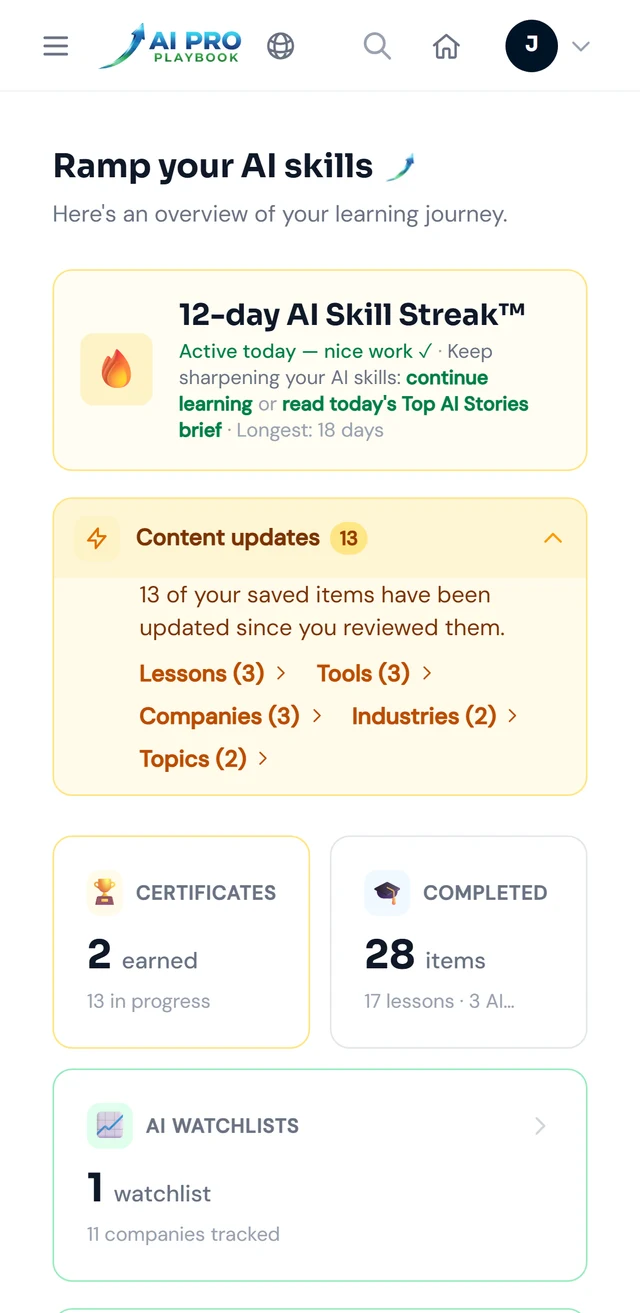
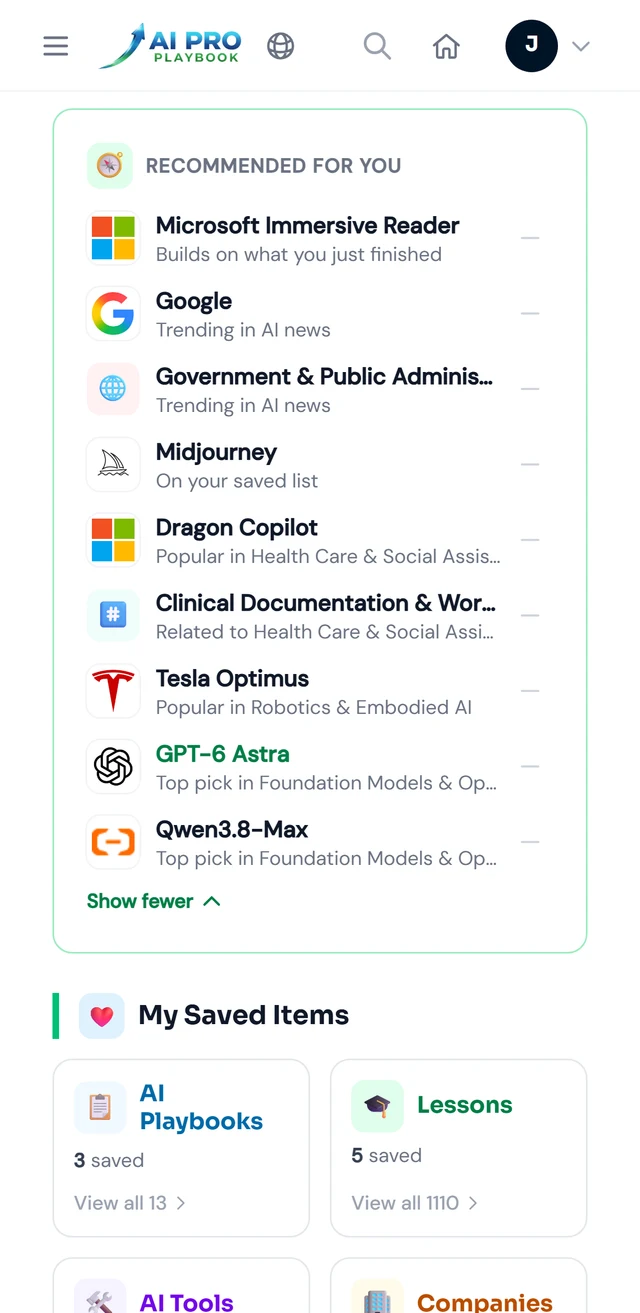
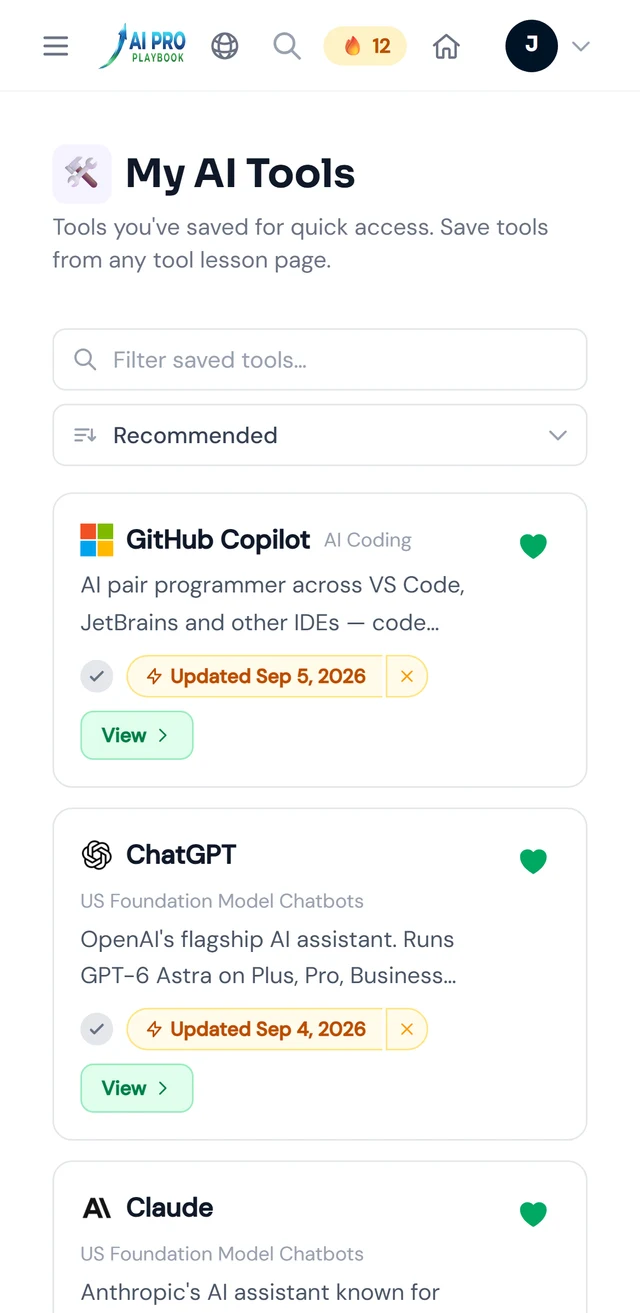
Swipe for Recommended for you and My AI Tools
Your AI Hub — sample data. See desktop view example