
📋About Starcloud
Updated August 26, 2026Starcloud is a venture-backed startup building space-based data centers — satellites carrying GPUs, powered by large solar arrays and cooled by radiating waste heat into space. Founded in January 2024 as Lumen Orbit and renamed Starcloud in March 2025 (after a trademark challenge from the telecom Lumen Technologies), it is based in Redmond, Washington, and went through Y Combinator's Summer 2024 batch. Its founders include CEO Philip Johnston, Adi Oltean (formerly of SpaceX and Microsoft Azure), and Ezra Feilden (formerly of Airbus Defence and Space).
The thesis is that orbit offers two things Earth increasingly rations for AI: near-continuous solar power and a free way to shed waste heat. Starcloud markets dramatically lower electricity costs and around-the-clock solar power, though those figures are company claims rather than independently verified results.
Starcloud reached a genuine milestone in November 2025, when its Starcloud-1 satellite carried the first NVIDIA H100 GPU into orbit aboard a SpaceX Falcon 9 rideshare, and in December it ran language-model inference and small-scale model training in space. The company has raised roughly $420 million. A $170 million Series A in March 2026, led by Benchmark and EQT Ventures at a $1.1 billion valuation, was reported as the fastest company to reach unicorn status in Y Combinator's history; an August 2026 extension added $250 million, led by Manhattan West with NVIDIA and Cisco participating, roughly doubling the valuation to $2.3 billion. Management tied that raise to launch scarcity rather than technology, citing the scheduled end of SpaceX's Falcon 9 program in 2028 and the limited alternatives flying regularly today. Backers include NVIDIA and the intelligence-community fund In-Q-Tel. A partnership with Crusoe aims to offer limited orbital GPU access from 2027.
The long-term vision — gigawatt-scale orbital data centers spanning kilometers of solar array — remains years away and gated on unsolved engineering problems in heat rejection, radiation, launch cost, and in-space servicing.
🛠️Products & Tools (1)
Space-based data centers — satellites carrying GPUs on solar power, cooled by radiating heat to orbit. Flew the first NVIDIA H100 in orbit; gigawatt orbital compute is the roadmap.
Keep track of the companies you’re watching
- Save the companies you want to follow
- Get ⚡ alerts when your saved companies change
- Every product they ship, cross-linked to 900+ AI tool profiles
- Today’s top AI Stories — the day’s most important AI news, free
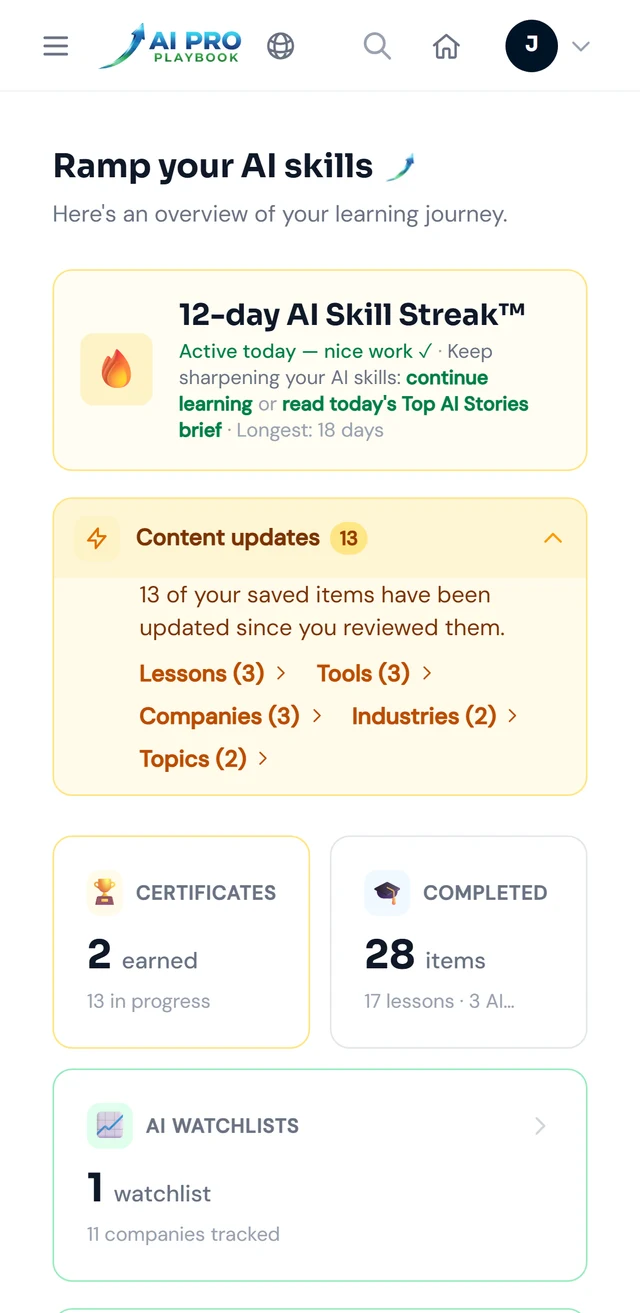
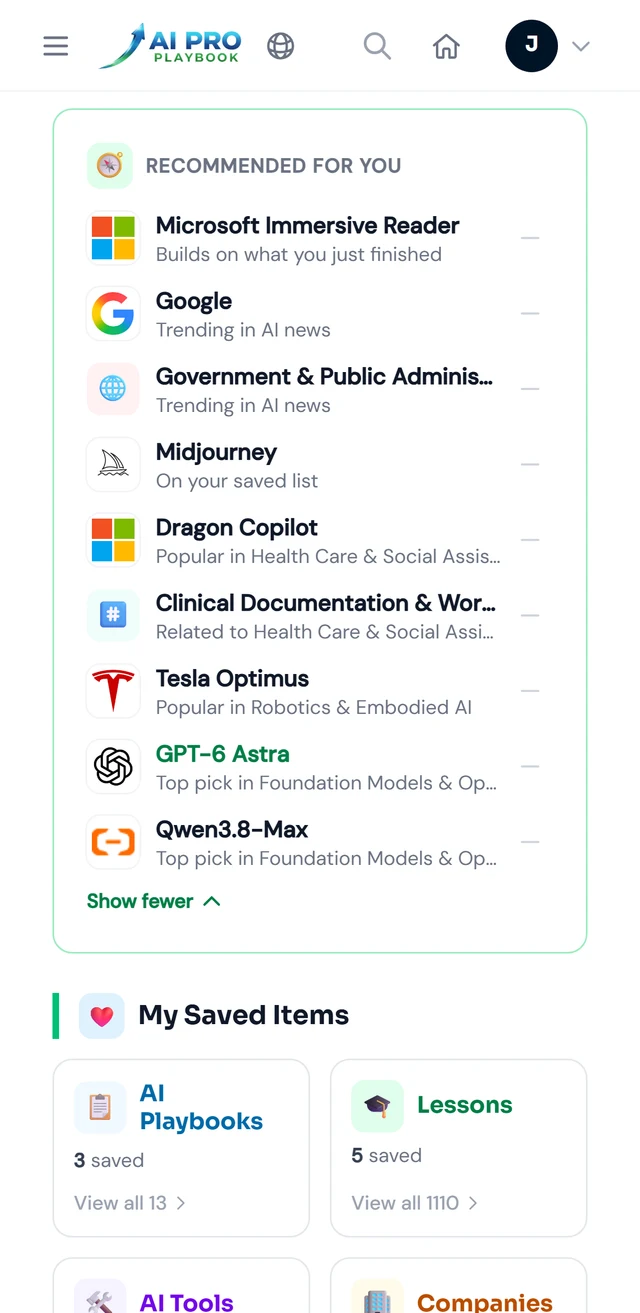
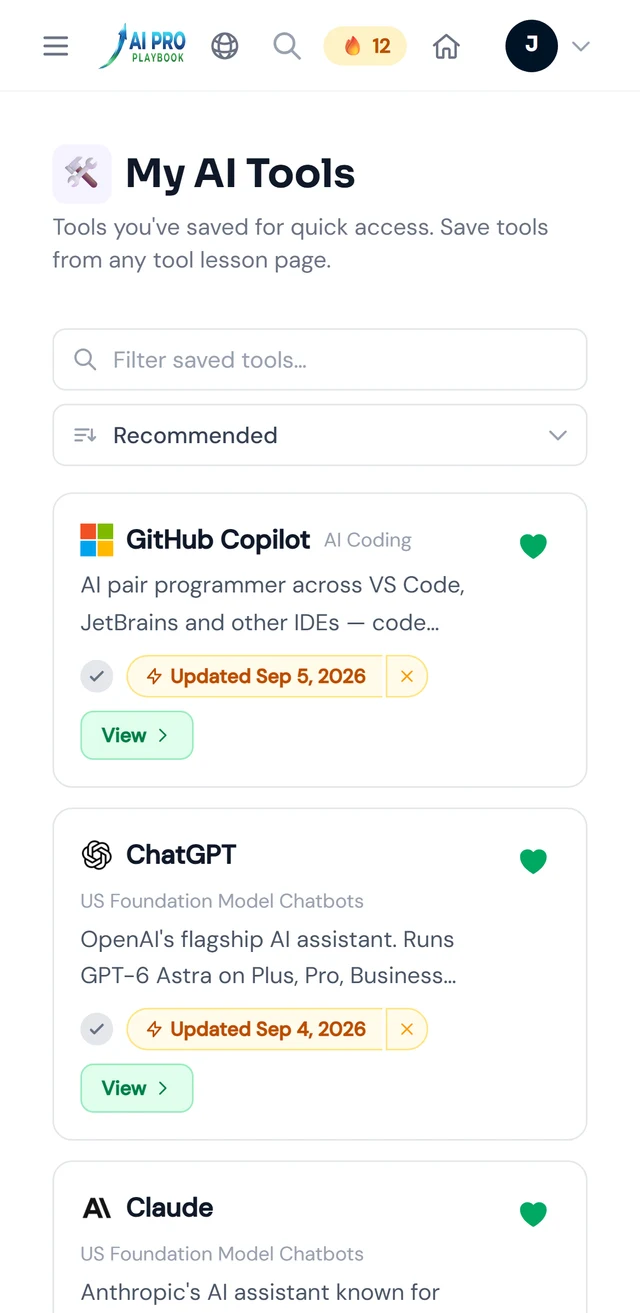
Swipe for Recommended for you and My AI Tools
Your AI Hub — sample data. See desktop view example