📘Overview
Updated July 3, 2026Natural-gas utilities and pipeline operators run vast networks that can leak methane, a potent greenhouse gas and a safety hazard. For decades, leak detection meant periodic manual surveys — walking or driving lines on a schedule — which caught only a fraction of leaks and rarely the biggest ones. Tightening emissions regulations and public pressure have made continuous, verifiable monitoring a requirement, and a wave of AI-enabled technologies has emerged to meet it.
💡The AI Opportunity
The approaches are strikingly varied. Precision analyzers mounted on vehicles map and rank leaks at driving speed, fixed sensors and laser towers watch facilities continuously, optical cameras image methane plumes, and satellites detect emissions from orbit down to individual sites. Free-floating robotic sensors even travel inside live pipelines to assess their condition. Across all of them, AI does the analytical work — detecting, locating, quantifying, and prioritizing emissions so operators can fix the leaks that matter most and prove they did.
🤖AI in Action
Picarro maps and ranks gas-distribution leaks with vehicle-mounted analyzers, and Qube Technologies provides continuous methane monitoring with sensor arrays approved under new US emissions rules. LongPath operates a network of laser towers that scan facilities continuously, Project Canary pairs sensors with AI for emissions intelligence and certification, and GHGSat runs the largest commercial constellation of methane-monitoring satellites. Kuva Systems images methane with low-cost optical cameras, while INGU sends free-floating sensors through live water and gas pipelines to assess their integrity.
📊Impact on Jobs
AI-enabled monitoring is turning methane management from an occasional survey into a continuous, verifiable system, which cuts emissions, improves safety, and helps operators meet tightening rules. The work shifts from manual surveying toward interpreting continuous data streams and prioritizing repairs, and it creates a new market driven as much by regulation as by cost. The honest note is that several of these tools are sensor- or hardware-led, with AI as the analytics layer that makes the data actionable rather than the whole product. But the direction is clear: emissions monitoring is becoming always-on, multi-layered, and AI-analyzed across the gas value chain.
Keep track of the topics you follow
- Save the topics you follow
- Get ⚡ alerts when their tools and companies change
- Curated tools for this topic, from 900+ AI tool profiles
- Today’s top AI Stories — the day’s most important AI news, free
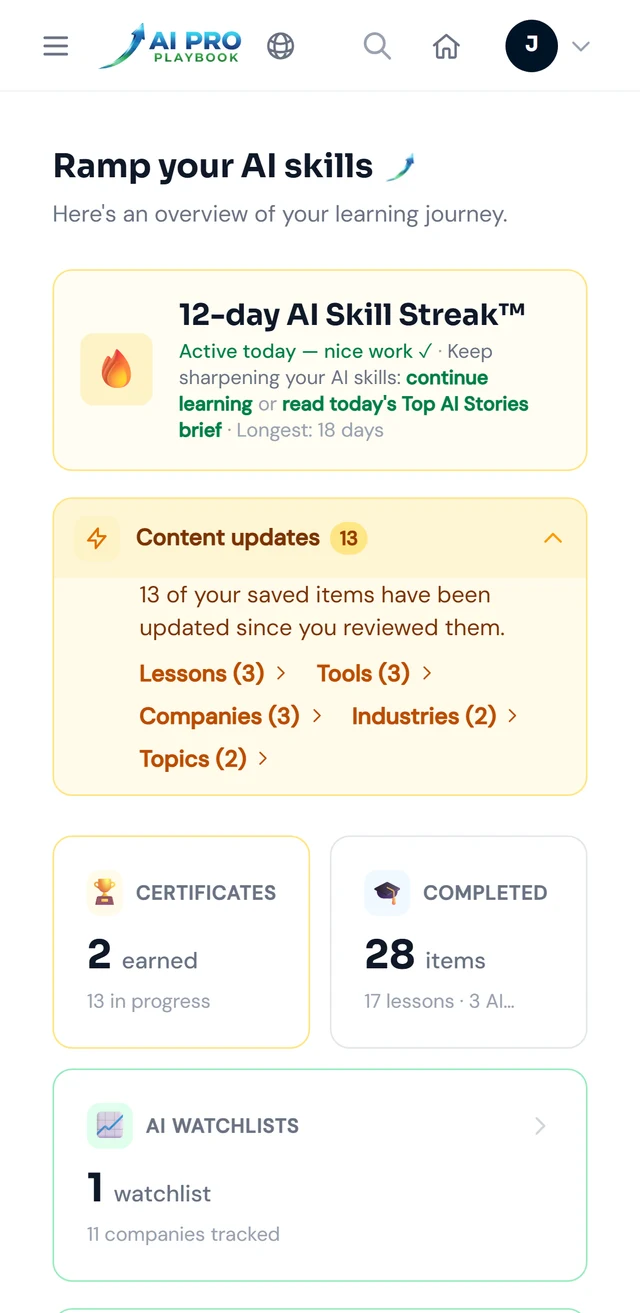

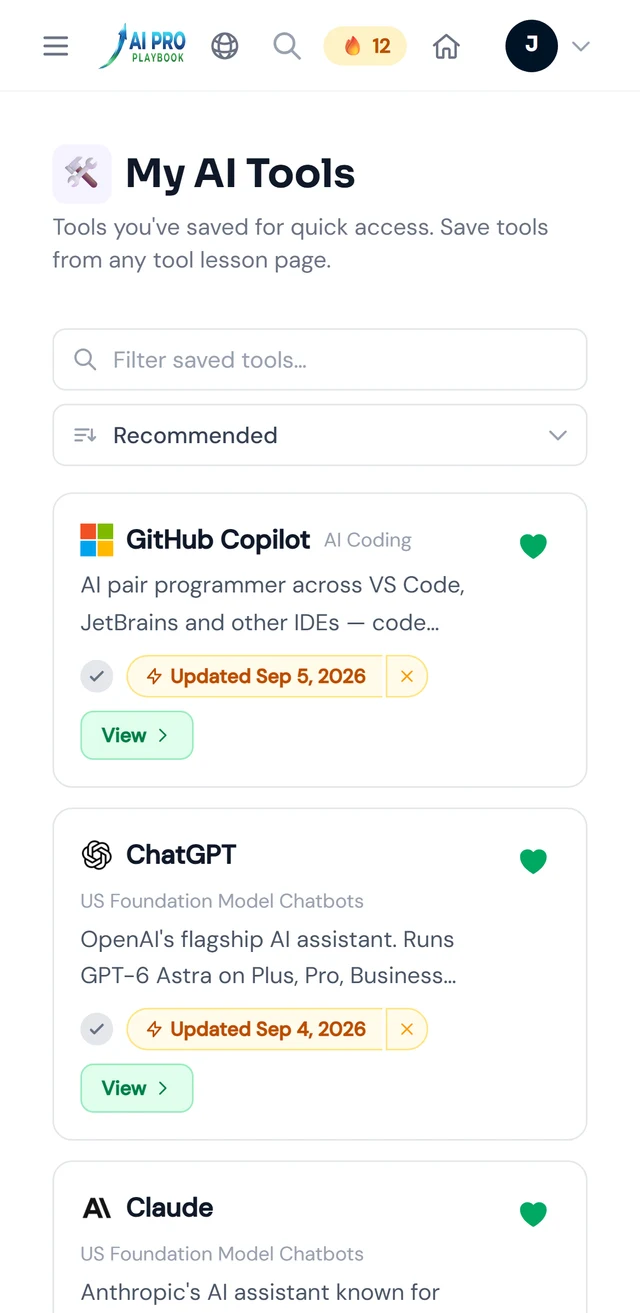
Swipe for Recommended for you and My AI Tools
Your AI Hub — sample data. See desktop view example
🛠️Top AI Tools for This Topic
 Picarro Surveyor
Precision methane analyzers and analytics that map and rank gas-distribution leaks at driving speed.
 Qube Technologies
Continuous methane monitoring with IoT sensors and ML that localizes and quantifies emissions.
 LongPath
Laser-tower network and AI that continuously monitor thousands of facilities for methane.
 Project Canary
Methane emissions-intelligence and certification platform with continuous sensing and AI.
 GHGSat
Largest commercial methane-monitoring satellite constellation, with AI pinpointing site-level sources.
 INGU Pipers
Free-floating in-line sensors and ML that inspect live water and gas pipelines for leaks and defects.