📘Overview
Updated August 20, 2026The defining energy story of the AI era is that AI itself needs enormous amounts of power. Training and running large models has driven a surge in data-center electricity demand so steep that it is reshaping grid planning, reviving interest in nuclear power, and creating multi-year waits just to connect new load. This is where energy and AI meet most directly, and it has opened a distinct field of software aimed at getting AI data centers powered without breaking the grid.
💡The AI Opportunity
Two problems dominate. First, connecting a gigawatt-scale data center to the grid can take years, so a new class of AI software helps data centers become flexible — shifting or curtailing compute and using on-site batteries and generation so they act as a grid resource rather than a strain. Second, the revival of nuclear power, prized as carbon-free and always-on, runs into a mountain of regulatory paperwork, and generative AI is being used to accelerate licensing and document review. Much of the broader nuclear-and-datacenter news is power-purchase dealmaking rather than AI software; the genuine AI products cluster around flexibility and licensing.
A third answer is emerging on the supply side, and it is worth understanding even though it is hardware rather than AI software. TerraPower's Natrium design pairs a 345-megawatt sodium-cooled fast reactor with gigawatt-scale molten salt heat storage, so the reactor never has to throttle down: surplus heat goes into the salt and returns as extra steam when a data center's load spikes. That matters because the flexibility problem described above is usually framed as something the data center must solve by curtailing compute. Thermal storage moves part of that burden to the generator instead, letting a nuclear plant follow a variable load without the economic penalty that normally makes always-on generation a poor match for spiky demand. TerraPower is building its first plant in Wyoming under a Department of Energy cost-share worth up to 2 billion dollars, and a second is due to break ground in 2027 for a data center project. Note the design was drawn up for intermittent renewables rather than for AI, so the fit is a useful accident rather than a product built for this market.
🤖AI in Action
Emerald AI, backed by NVIDIA and a consortium of major power companies, orchestrates AI data centers to flex their power use and connect to the grid faster, turning them into flexible grid assets. Verse helps data centers get online sooner by managing interconnection, power procurement, and on-site energy. Atomic Canyon brings generative AI to the nuclear industry, powering the first commercial on-site deployment at a US plant to speed the licensing and document work that gates reactor restarts and new builds.
📊Impact on Jobs
This is the field where AI's appetite and the energy system most directly shape each other, and the software that makes data-center load flexible could unlock tens of gigawatts of grid capacity that already exists. The work creates demand for people fluent in both computing and power systems — a rare and increasingly valuable combination. The honest framing matters: a great deal of the nuclear-and-datacenter story is procurement and construction, not AI, and the reactors themselves take years to build or restart. But making compute flexible and licensing faster are genuine AI contributions to the single biggest infrastructure question of the AI era.
Keep track of the topics you follow
- Save the topics you follow
- Get ⚡ alerts when their tools and companies change
- Curated tools for this topic, from 900+ AI tool profiles
- Today’s top AI Stories — the day’s most important AI news, free
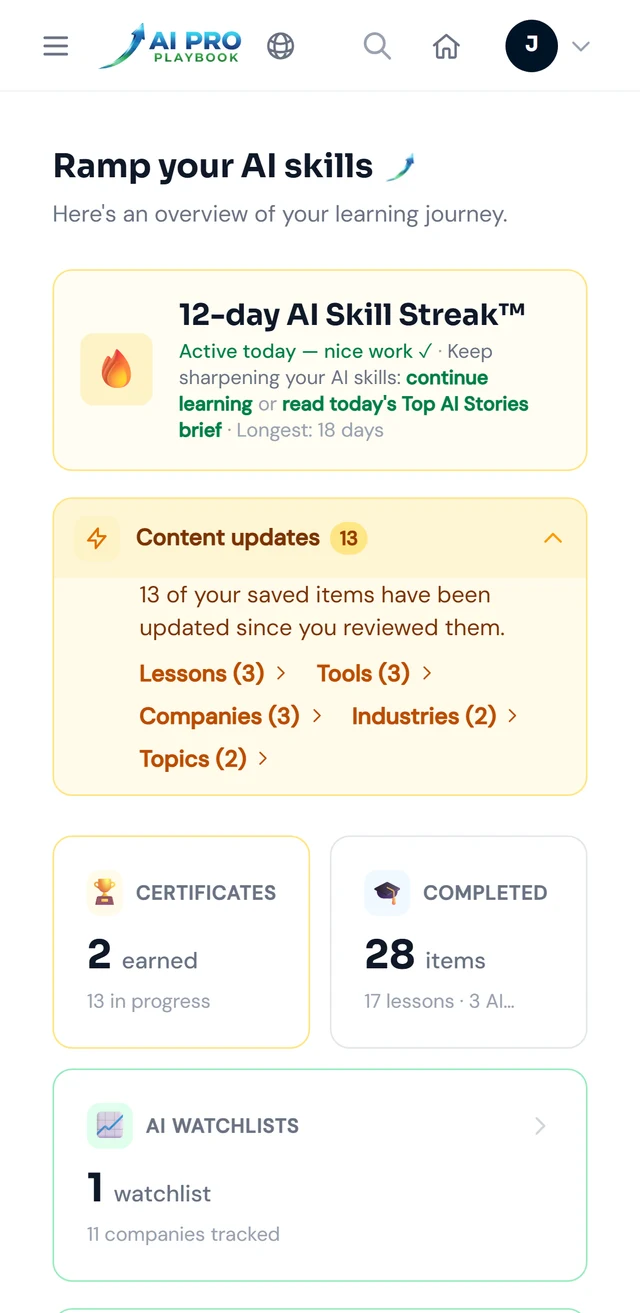

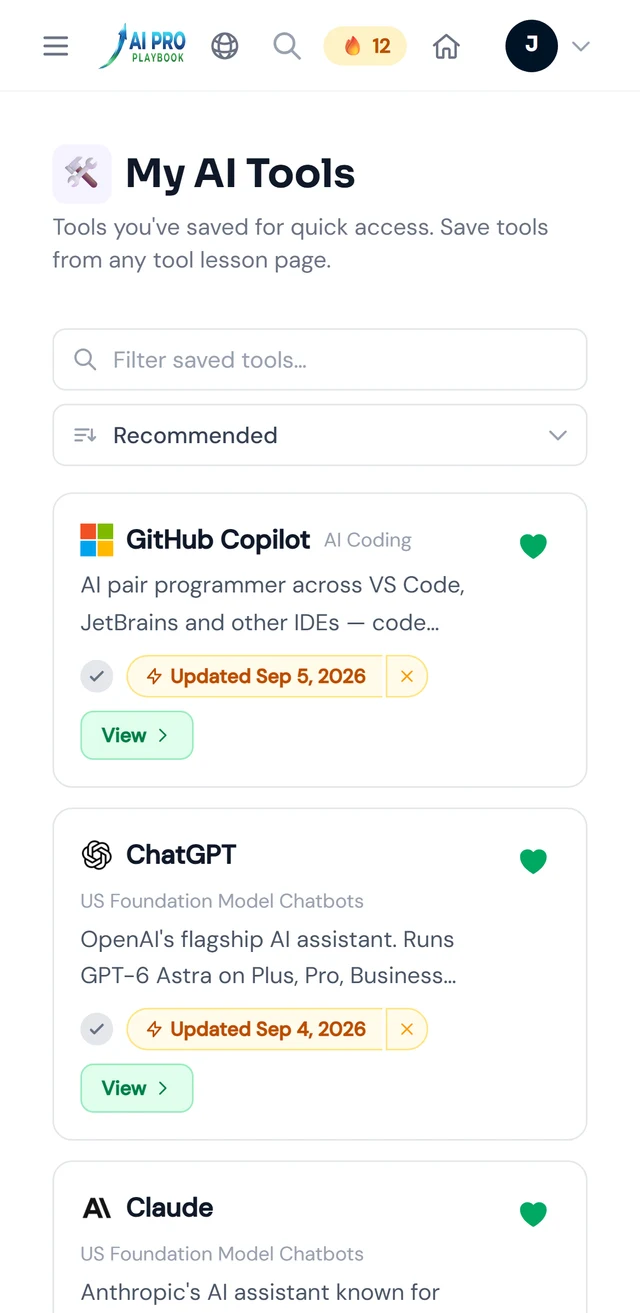
Swipe for Recommended for you and My AI Tools
Your AI Hub — sample data. See desktop view example
🛠️Top AI Tools for This Topic
 Emerald AI
AI orchestration that turns data centers into flexible grid assets to unlock faster interconnection.
 Verse
VerseAI energy-infrastructure platform that gets data centers online faster and manages on-site power.
 Atomic Canyon
Generative-AI search over the nuclear regulatory corpus, deployed on-site at Diablo Canyon.