📘Overview
Updated July 17, 2026Renewable energy is electricity generated from sources that replenish naturally — overwhelmingly solar panels and wind turbines, increasingly paired with batteries. It is now the fastest-growing source of new generation in the world, and it has a problem fossil plants never had at the same scale: the assets are numerous, spread across enormous areas, exposed to weather, and largely unattended. A single utility-scale solar farm can hold millions of panels. A wind farm can have hundreds of turbines whose blades are the length of a building and can only be examined up close by a technician hanging from a rope. So the industry's real question is not "how do we make power?" — it is "is every one of these assets actually producing what we paid for, and which of them is quietly failing right now?"
💡The AI Opportunity
That question is what artificial intelligence is genuinely good at here. The honest way to read AI in renewables is that it does the perception and the prediction, not the engineering. Computer vision looks at drone and aerial imagery and finds the cracked blade, the hot spot, the dead string of panels. Machine-learning models read the ordinary operating data a turbine already produces and flag the gearbox that is starting to fail. Vision models also read a roof from the air so a home solar system can be designed without anyone visiting the house. What AI does not do is the physics: the shading and yield calculations that decide whether a design is accurate come from ray-traced simulation of the sun's path, not from learned models. Understanding that split — the machine learning makes it fast, the physics makes it right — is the single most useful thing to take from this topic.
🤖AI in Action
The clearest way to read the tools is by where they sit in an asset's life. To design a system before it exists, Aurora Solar uses computer vision on aerial imagery and laser scanning to build a three-dimensional roof model from an address in seconds, then simulates production — the vision makes it fast, the ray tracer makes it right. To inspect what is already built, Zeitview flies drones and aircraft over solar farms and wind turbines and runs the imagery through crack- and hotspot-detection models; SkySpecs sends genuinely autonomous drones around turbine blades and adds a rover that inspects the blade from the inside; and Raptor Maps specializes in the solar fleet, finding underperforming panels across enormous arrays. To optimize what is running, Fluence Nispera applies machine learning to the operating data of wind, solar, hydro, and battery fleets to catch underperformance and failing components before they break, and WindESCo coordinates turbine control to raise a wind farm's total energy production. The pattern to notice: every genuine AI product here is doing perception or prediction — seeing something a human would otherwise have to climb a tower to see, or predicting a failure hidden in data nobody reads.
📊Impact on Jobs
This is a genuine and growing career frontier — renewable asset managers, drone-inspection analysts, data scientists working on turbine and panel failure prediction, and the field technicians whose repair work is now directed by a model rather than a calendar. The upside is real and measurable: an inspection that took a technician a day on a rope now takes a drone about fifteen minutes, failing components get caught before they fail expensively, and a home solar system can be designed without anyone driving to the property. But the honest picture matters more here than the marketing. The best companies in this field publish their actual model accuracy, and the numbers are humbling: one leading crack detector flags roughly one false positive for every two real cracks, and another vendor's blade model deliberately refuses to classify what the damage is, because shadows and stains look like cracks. That is exactly why a trained human still reviews every finding — the AI is a triage engine that decides what a person should look at, not an inspector that decides what is wrong. And a striking amount of what is marketed as renewable-energy "AI" is not AI at all: physics simulation, computer-aided design, control systems, and industrial robotics are all routinely rebranded. A useful tell is whether a company repeats its AI claim in the documents where it is legally accountable. The durable lesson is the one that runs through all of AI — separate what is genuinely shipping from what is being sold, and respect the humans still in the loop.
Keep track of the topics you follow
- Save the topics you follow
- Get ⚡ alerts when their tools and companies change
- Curated tools for this topic, from 1,000+ AI tool profiles
- Today’s top AI Stories — the day’s most important AI news, free
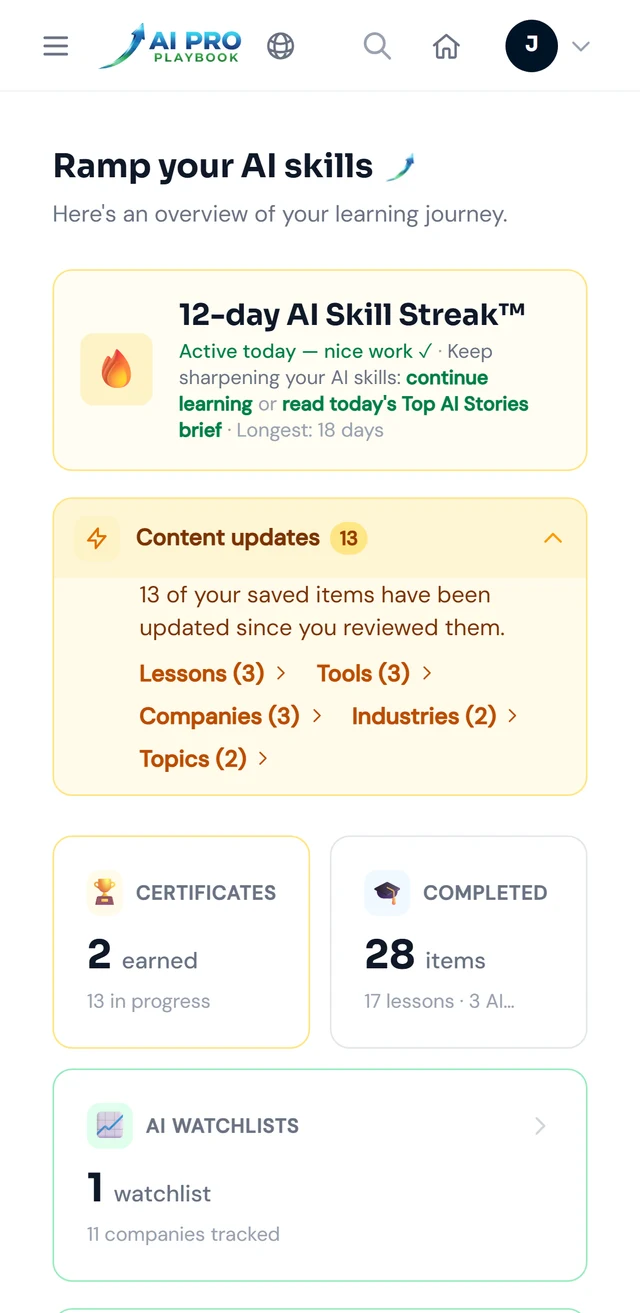
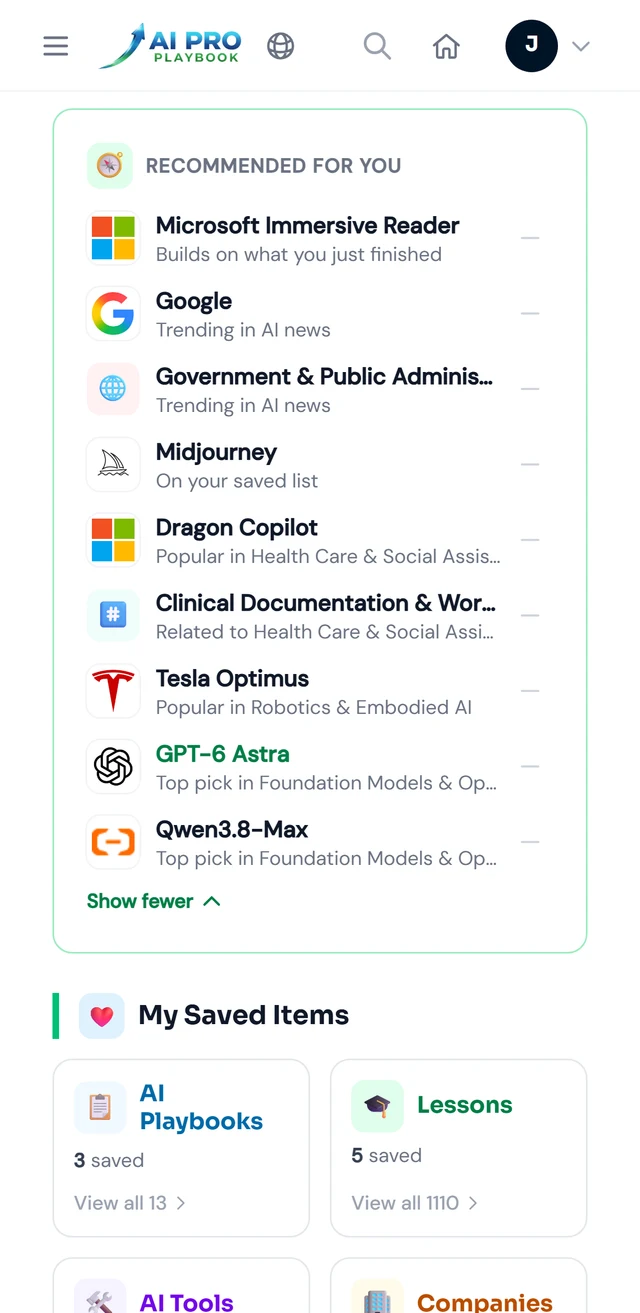
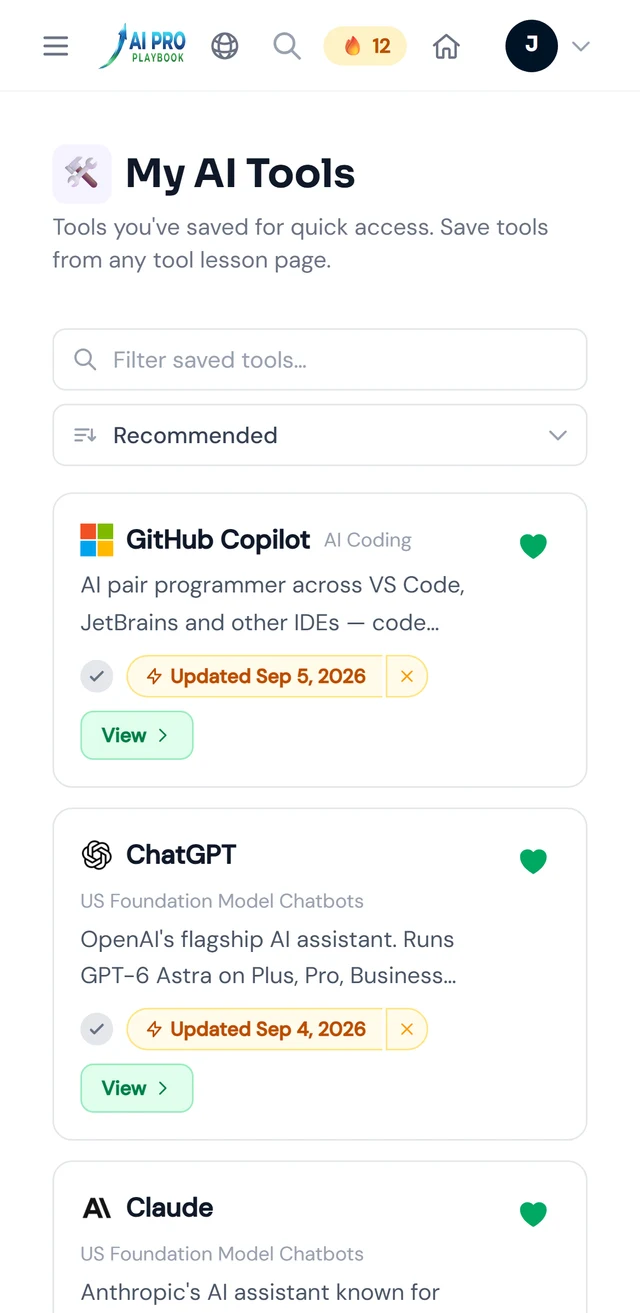
Swipe for Recommended for you and My AI Tools
Your AI Hub — sample data. See desktop view example
🛠️Top AI Tools for This Topic
 Aurora Solar
Cloud solar design platform that builds a 3D roof model from aerial imagery and LIDAR, letting installers design and quote systems without a site visit.
 Gritt Robotics
Physical-AI systems that automate large-scale outdoor construction — AI-controlled arms and machinery unload and place solar panels with sub-millimeter precision, roughly four times faster than manual crews, cutting labor strain and on-site injuries.
 Zeitview
AI-assisted aerial inspection for solar farms and wind turbines, with computer vision that triages defects for human analysts to verify.
 SkySpecs
Autonomous drone inspection of wind-turbine blades plus Horizon software for blade health and drivetrain condition monitoring.


 WindESCo
AI wind-farm optimization that raises turbine energy production through coordinated control.