📘Overview
Updated July 3, 2026A virtual power plant, or VPP, is a fleet of distributed devices — home batteries, EV chargers, smart thermostats, heat pumps, and industrial loads — coordinated to act like a single power plant. Demand response is the closely related practice of paying customers to shift or reduce use when the grid is stressed. Both turn the demand side of the grid into a resource, and both have become far more powerful now that AI can orchestrate huge numbers of small devices in real time.
💡The AI Opportunity
The challenge is that each device is small, owned by a customer, and available only under certain conditions. AI handles that complexity — forecasting when flexibility will be available, deciding which devices to call on, and bidding the aggregated capacity into power markets automatically. The result is dispatchable capacity that can be built in months instead of years, at a moment when AI data centers and electrification are driving demand sharply upward.
🤖AI in Action
Tesla Autobidder autonomously trades battery assets and forms the software backbone of large residential virtual power plants, including a major framework aimed at flexible capacity for AI data centers. Octopus Kraken coordinates EVs, batteries, solar, and heat pumps across tens of millions of accounts, and GridBeyond aggregates batteries and industrial loads into demand-response programs, including one with Constellation in the PJM market. WeaveGrid focuses on the fast-growing EV piece, helping utilities turn managed charging and vehicle-to-grid into grid flexibility, while Uplight engages residential customers and their devices.
📊Impact on Jobs
Virtual power plants let the grid meet peaks with flexibility rather than new fossil peaker plants, which is cheaper, cleaner, and faster to deploy. The economic model rewards customers for capacity they already own, and AI is what makes coordinating millions of them practical. The work shifts toward designing programs and managing the software that dispatches them, while the enduring constraint is trust and participation — a VPP only works if customers opt in and let their devices be controlled. As electrification and AI-driven load growth strain the grid, demand-side flexibility is moving from a niche program to a core grid resource.
Keep track of the topics you follow
- Save the topics you follow
- Get ⚡ alerts when their tools and companies change
- Curated tools for this topic, from 900+ AI tool profiles
- Today’s top AI Stories — the day’s most important AI news, free
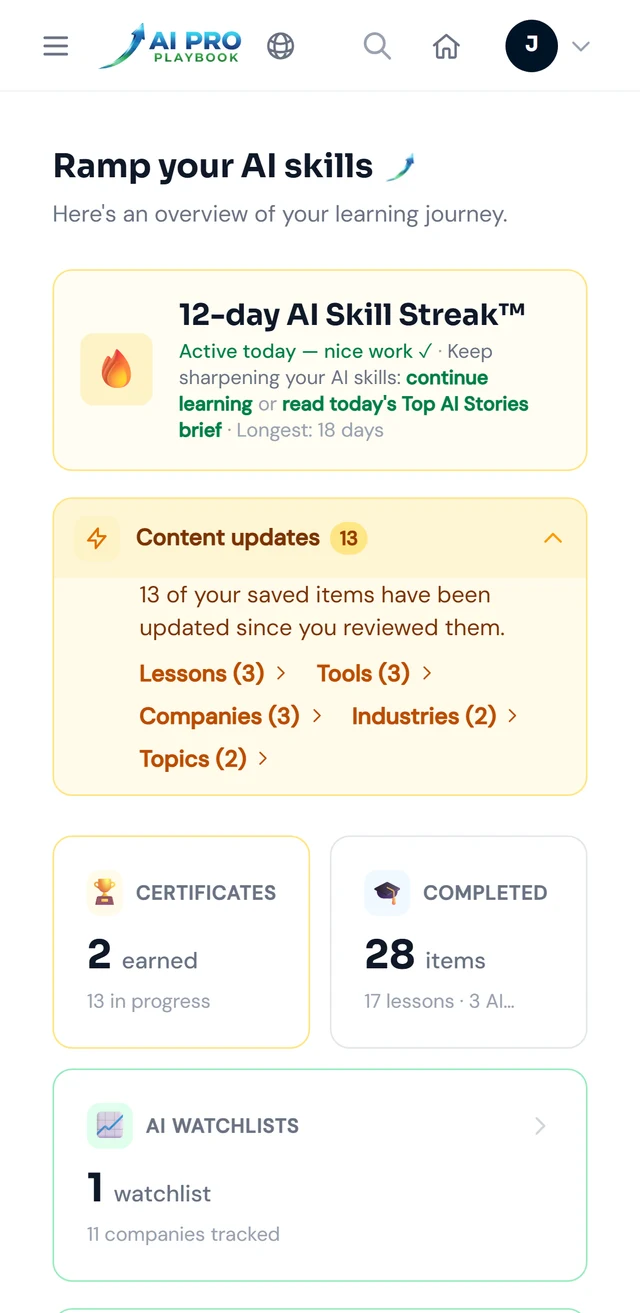
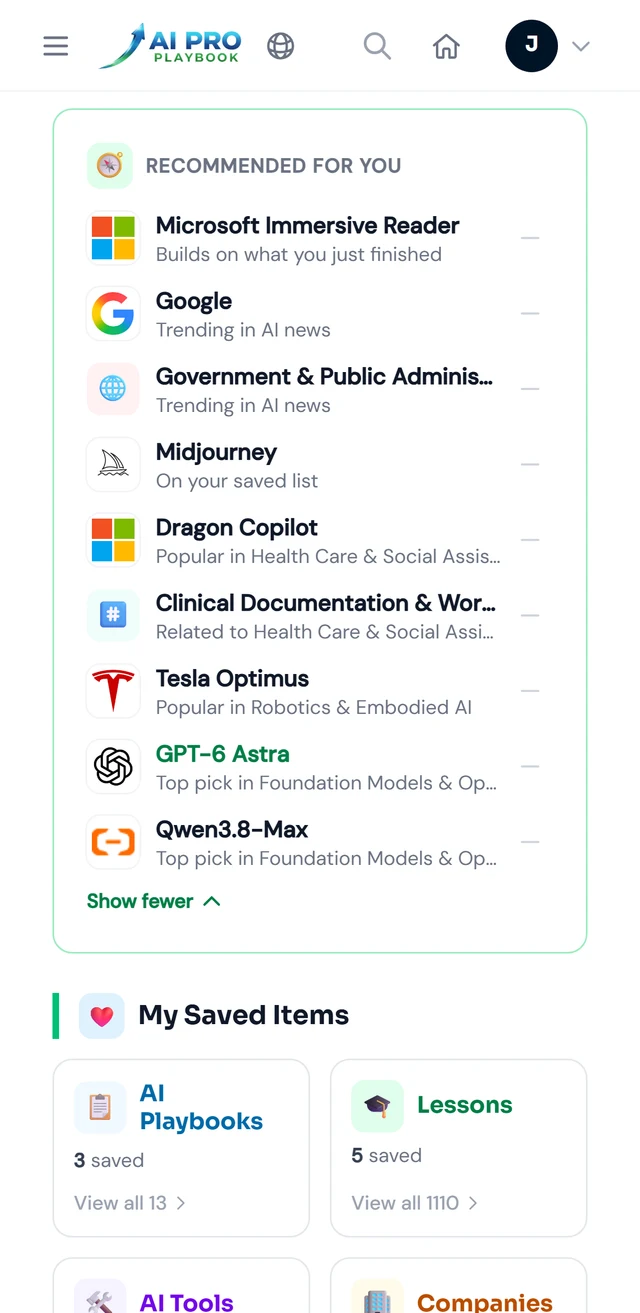
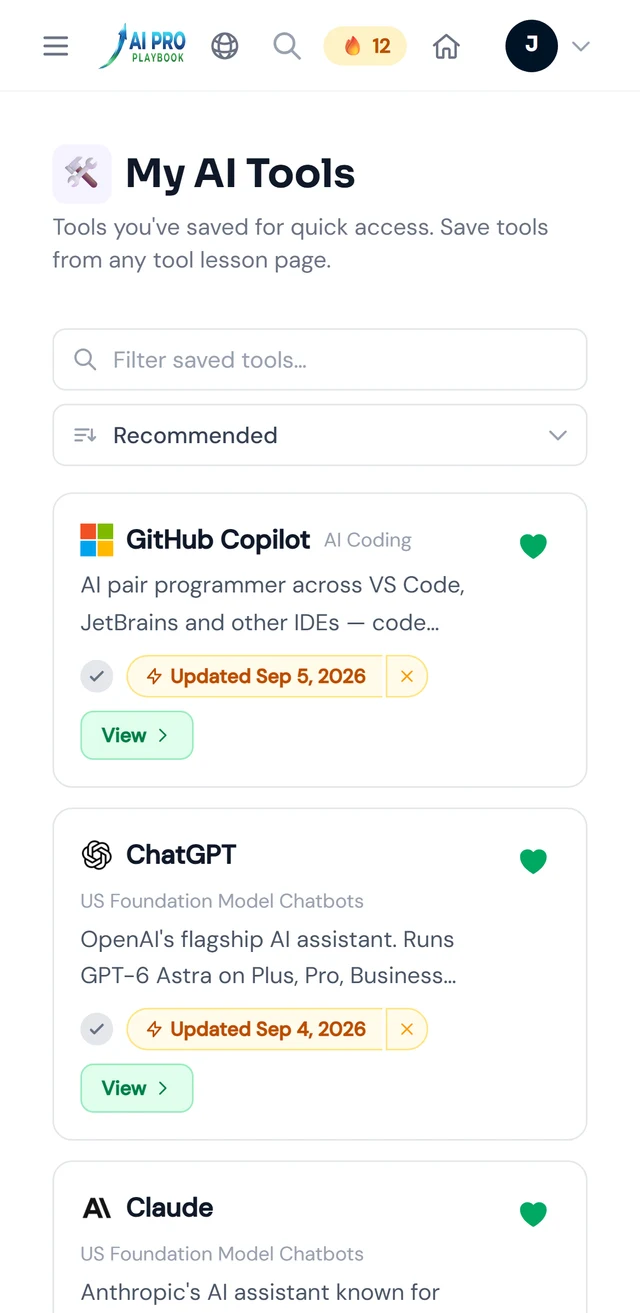
Swipe for Recommended for you and My AI Tools
Your AI Hub — sample data. See desktop view example
🛠️Top AI Tools for This Topic

 Octopus Kraken
Utility-operations platform and AI virtual power plant coordinating EVs, batteries, solar, and heat pumps.
 GridBeyond
AI aggregation of batteries and industrial loads into demand response and grid flexibility.

 Uplight
AI-powered energy intelligence platform helping utilities engage customers, manage demand response programs, and accelerate the clean energy transition with behavioral analytics.