📘Overview
Updated July 3, 2026Water utilities face a quiet crisis: a large share of the water they treat and pump never reaches customers, lost to leaks in aging underground pipes — a category the industry calls non-revenue water. Add the challenges of running energy-intensive treatment plants, monitoring water quality, and inspecting thousands of miles of buried sewer, and it is clear why water has become a major frontier for AI. The data is plentiful and the problems are expensive, but the sector has historically been slow to modernize.
💡The AI Opportunity
AI is changing that on several fronts. Satellite radar and acoustic sensors, analyzed by machine learning, find and even size underground leaks across whole networks. Computer vision automates the tedious coding of sewer-inspection video. Reinforcement learning optimizes pump schedules and treatment operations to cut energy use, and digital twins let operators simulate and manage their networks. The pattern is consistent: AI turns sparse crews and overwhelming volumes of pipe and data into targeted, prioritized action.
🤖AI in Action
For leak detection and non-revenue water, FIDO AI finds and sizes leaks from acoustic data, ASTERRA detects buried leaks by satellite radar, and Aquarius Spectrum monitors pipes continuously with fixed acoustic sensors. Xylem Vue and Aquasight bring AI analytics to broad utility operations, while Qatium and Bentley OpenFlows offer AI-assisted network digital twins. Emagin uses reinforcement learning to optimize treatment and pumping, VAPAR and SewerAI automate sewer-inspection defect coding with computer vision, and KETOS monitors water quality in real time.
📊Impact on Jobs
AI is helping water utilities do more with strained budgets and shrinking workforces — finding leaks they could not see, running plants more efficiently, and clearing inspection backlogs. The work shifts from manual surveying and video review toward supervising AI findings and acting on the biggest problems first, expanding the reach of small operations teams. The honest caveat is that water is highly regulated and safety-critical, and much of this AI still depends on good sensor data and human verification. But cutting non-revenue water and modernizing treatment are exactly the high-value, long-neglected problems where AI can pay for itself quickly.
Keep track of the topics you follow
- Save the topics you follow
- Get ⚡ alerts when their tools and companies change
- Curated tools for this topic, from 900+ AI tool profiles
- Today’s top AI Stories — the day’s most important AI news, free
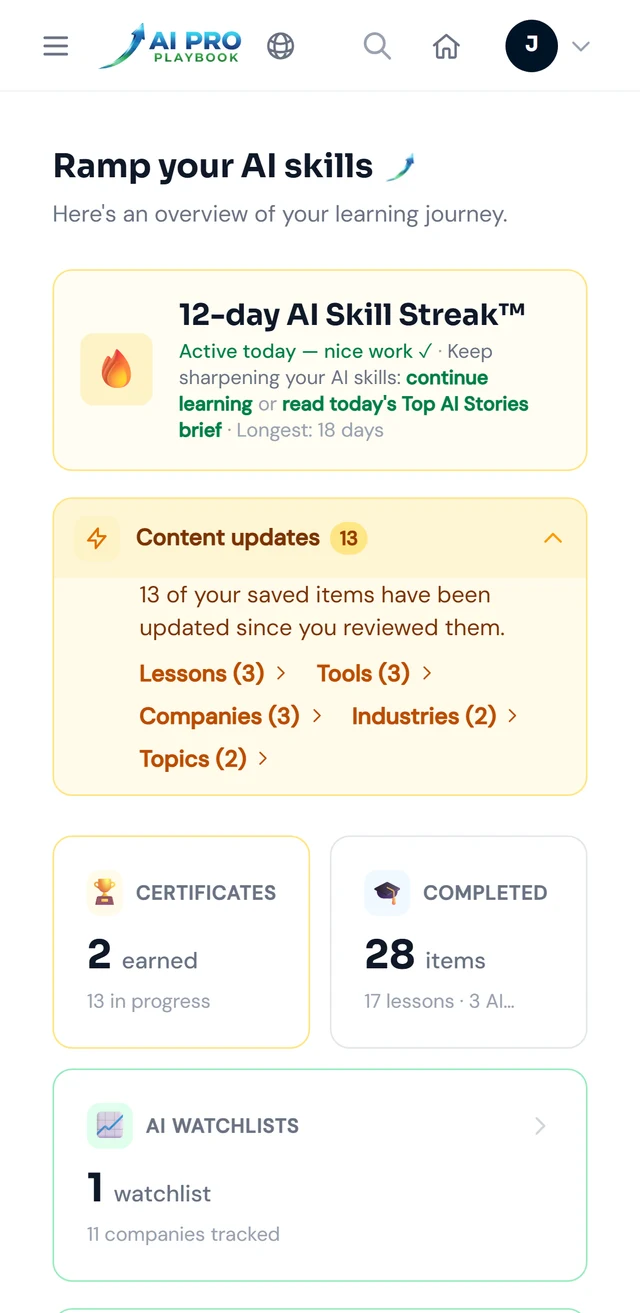
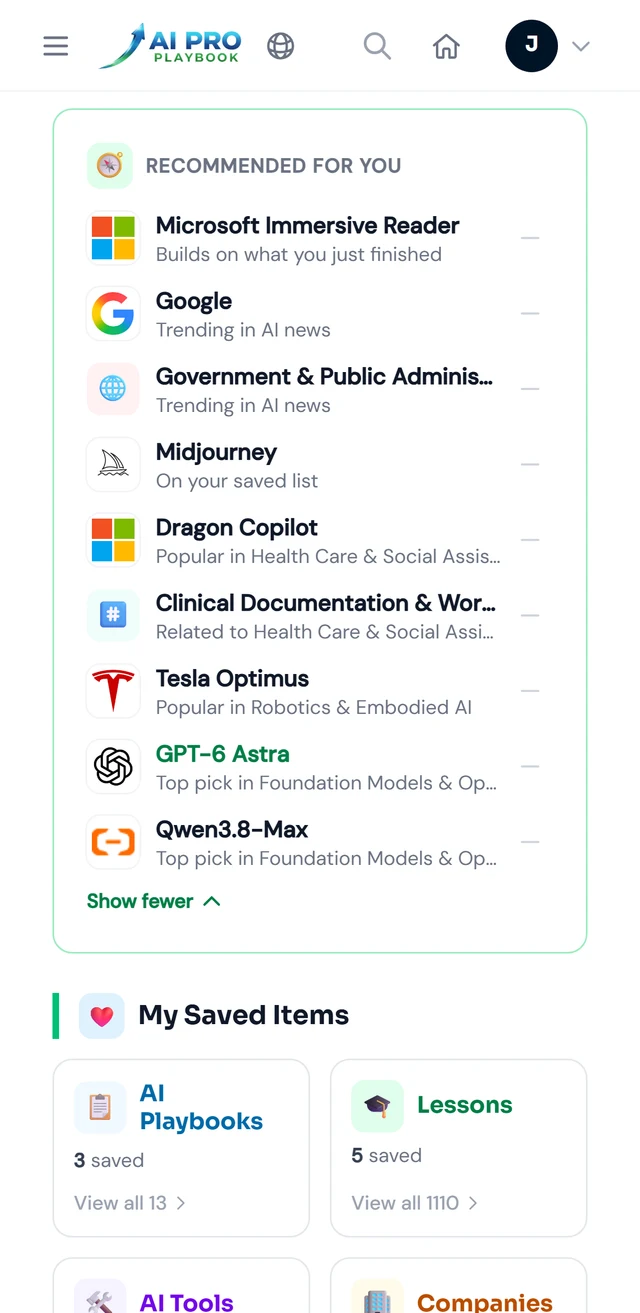
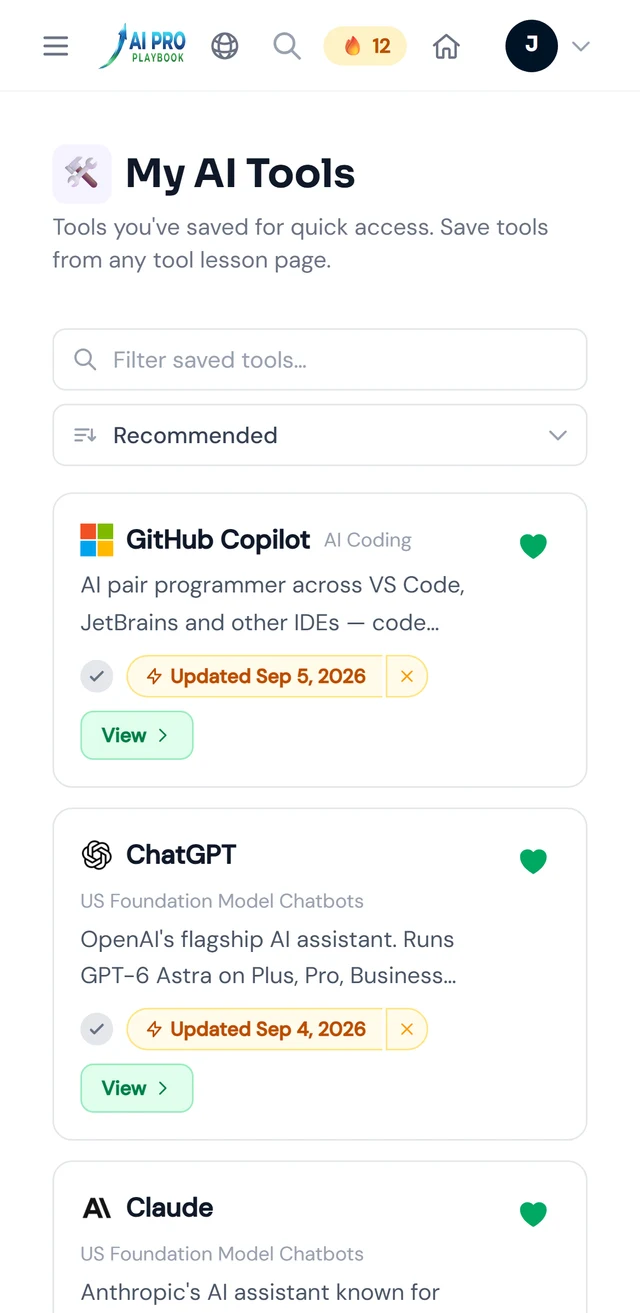
Swipe for Recommended for you and My AI Tools
Your AI Hub — sample data. See desktop view example
🛠️Top AI Tools for This Topic

 ASTERRA
Satellite radar and AI that detect underground water leaks and infrastructure risk from space.

 Aquasight
AI analytics suite for water and wastewater operations, from pumps to treatment to asset planning.





 Aquarius Spectrum
Fixed acoustic-sensor network and AI correlation for continuous water-leak monitoring.