
📋About Xiaomi
Updated September 16, 2026Xiaomi is a Chinese consumer-electronics company best known for smartphones, but its relevance here is that it has moved from buying AI to building it — both the models and, now, the silicon they run on. It belongs in this catalog as an adopter that has become a vendor to itself, in the same way Samsung and Apple do, and not as a maker of AI software that anyone else can buy.
The model side is MiMo, Xiaomi's in-house family of open language and multimodal models, released publicly and used across its own devices and services. The silicon side is Xring, the chip line from its Xuanjie team. In August 2026 Xiaomi announced three at once: the three-nanometer Xring O3 application processor for phones and tablets, already in volume production; the six-nanometer Xring O100, a neural processing unit that stacks memory vertically against the compute die to reach 1.22 terabits per second of bandwidth, built specifically to run MiMo models on the device rather than in a data center; and the three-nanometer Xring D100 for assisted and autonomous driving, carrying up to 160 gigabytes of unified memory and specified for models of roughly 200 billion parameters. The O100 and D100 are slated to reach the market in 2027.
The strategic point is vertical integration at the edge. Running a capable model locally removes the round trip to a data center, which matters for latency, for cost, and for the privacy posture of a phone or a car — and it makes Xiaomi less dependent on the merchant silicon and hosted APIs that most device makers rely on. Xiaomi also builds electric vehicles, which is why an automotive AI processor sits in the same announcement as a phone chip. Whether the parts deliver what the specifications promise will not be testable until they ship.
That in-house framing acquired a complication on September 10, 2026, when Anthropic named Xiaomi in a threat intelligence report as running an unauthorized distillation campaign against Claude. Anthropic says Xiaomi replayed its own users' conversations and coding sessions with its MiMo models through Claude — more than 400,000 requests across more than 1,500 accounts over twenty days in March and April 2026, routed through third-party model routing services — and used Claude to reconstruct developer environments from the transcripts, clean up multi-turn conversations, generate synthetic exchanges and judge answer quality, all as training data for future MiMo models. It suggests the timing was deliberate, with the bulk of the activity beginning as a free trial period for MiMo-V2-Pro was ending. Anthropic also says those relayed requests carried names, contact information and corporate data belonging to hundreds of Xiaomi's own users. Xiaomi had not publicly responded at publication, and Anthropic is a direct competitor of the labs it names.
Keep track of the companies you’re watching
- Save the companies you want to follow
- Get ⚡ alerts when your saved companies change
- Every product they ship, cross-linked to 900+ AI tool profiles
- Today’s top AI Stories — the day’s most important AI news, free
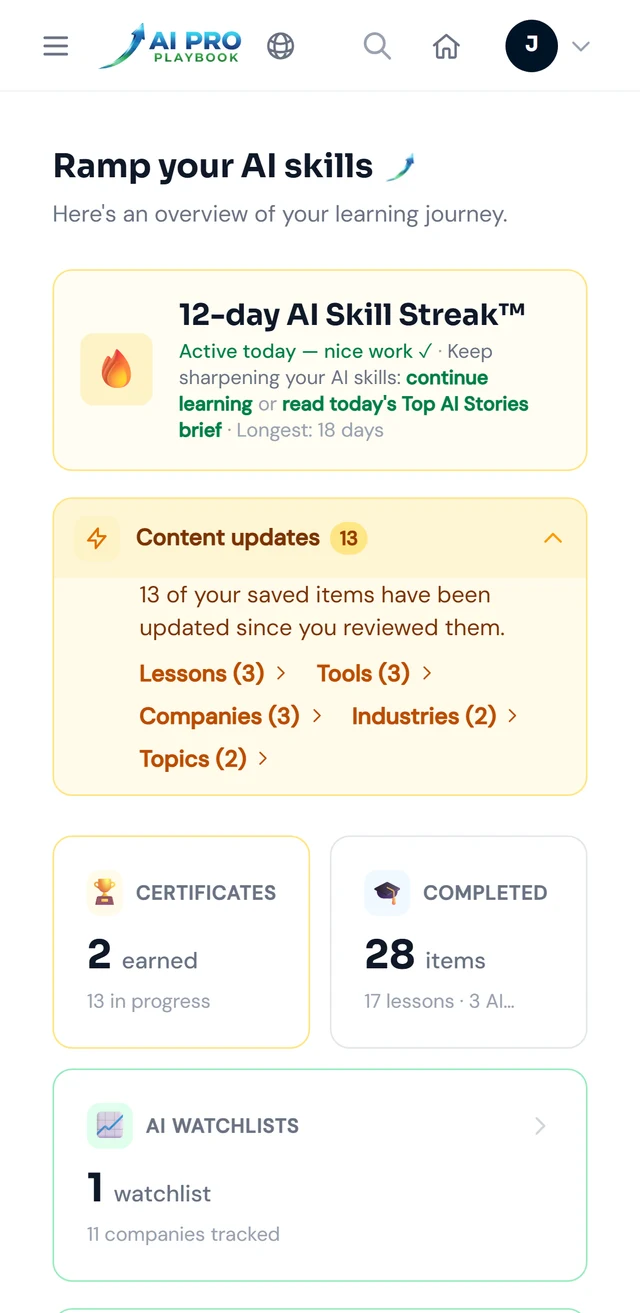
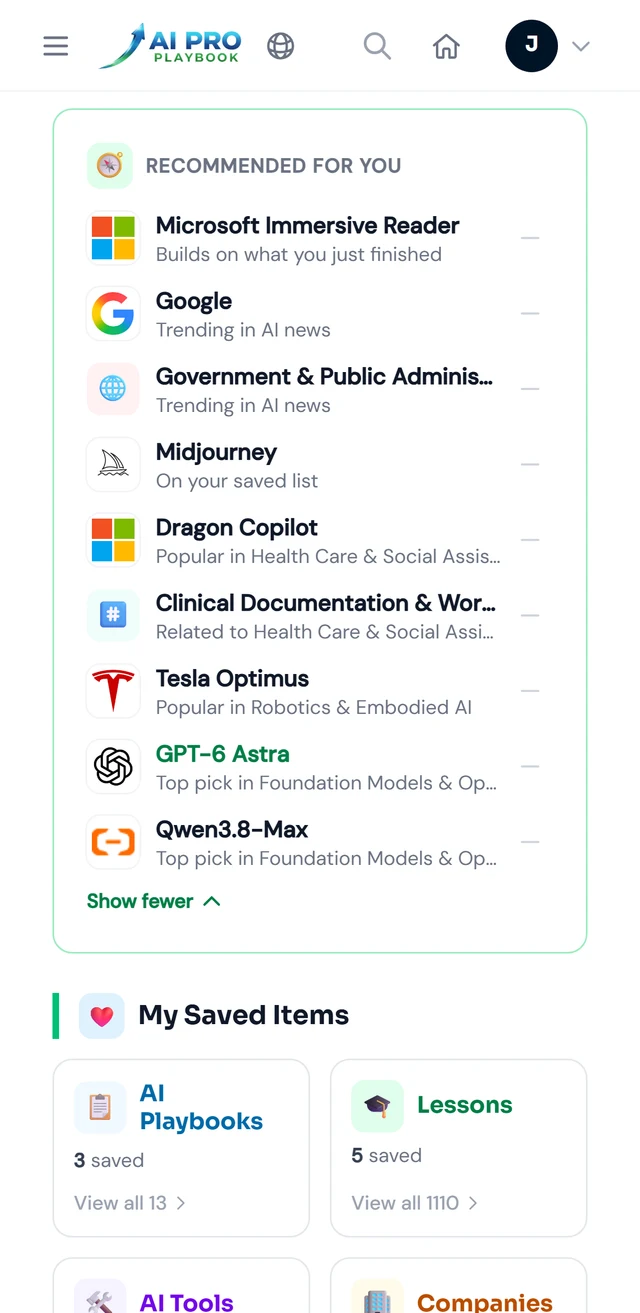
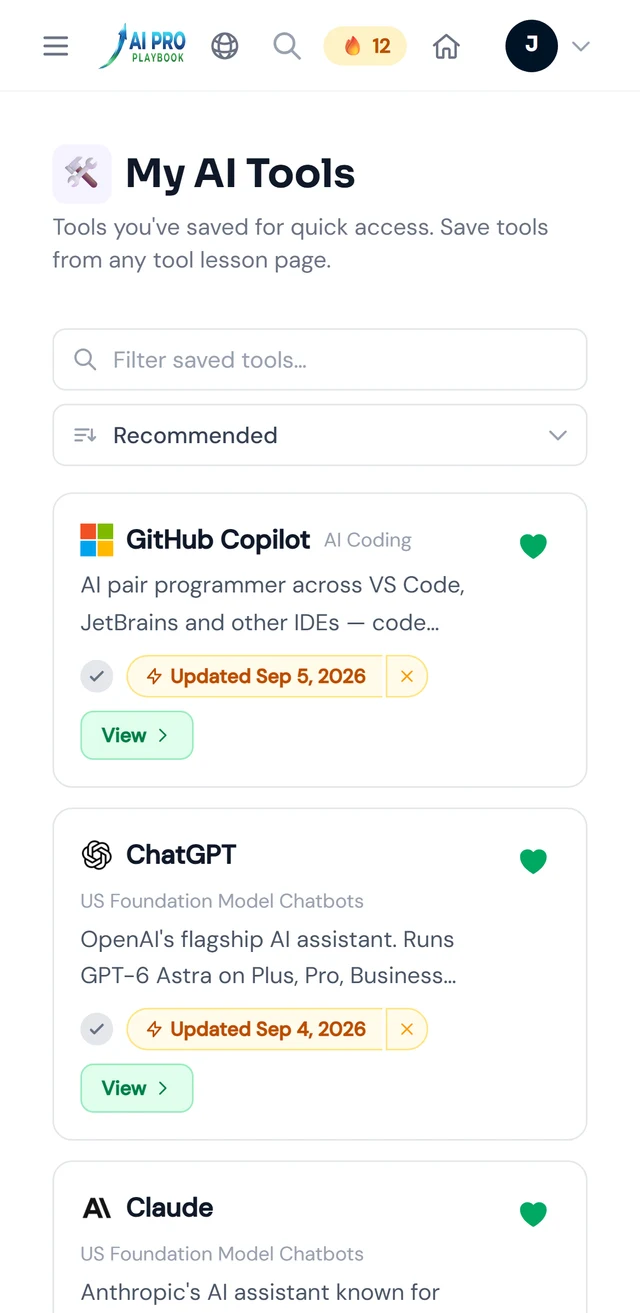
Swipe for Recommended for you and My AI Tools
Your AI Hub — sample data. See desktop view example