🏭Industry Overview
Updated May 16, 2026Architectural services covers the design of buildings and the spaces around them — schematic design, design development, construction documentation, and construction administration for commercial, residential, institutional, and industrial projects. Firms range from small studios with a handful of licensed architects to global multidisciplinary practices like Gensler, HOK, Foster + Partners, and Zaha Hadid Architects employing thousands. The work is highly regulated: most jurisdictions require a licensed architect of record on commercial projects, and design must clear zoning, building code, accessibility, and life-safety reviews. Firms typically bill on a percentage-of-construction-cost or fixed-fee basis. The discipline blends artistic judgment, engineering competence, regulatory navigation, and client management. Total US architectural services revenue runs roughly $50 billion annually, with the industry split between high-volume documentation work (drawings, specifications, schedules) and high-margin design work (concepts, master plans, signature projects).
🤖AI in Action
AI is now embedded across the architectural workflow. Autodesk Forma (the rebranded Spacemaker platform) generates massing studies, daylight analysis, wind simulations, and zoning compliance checks in real time. TestFit produces hundreds of multifamily floorplan variants in seconds, optimizing for unit mix, parking ratios, and code constraints. Trunk Tools applies AI to the construction-administration side, turning RFIs and submittals into structured workflows. Autodesk Revit + Insight uses AI for energy modeling and performance simulation directly inside the BIM environment. AutoCAD AI accelerates 2D documentation through smart object recognition and predictive command suggestions. Bentley iTwin captures full digital twins of designed and existing buildings for lifecycle simulation. Beyond the vertical-specific tools, ChatGPT and Claude have become daily research and writing aids — drafting design narratives, summarizing zoning code, and helping junior architects quickly understand precedents and regulations.
📊Impact on Jobs
The biggest impact is at the early-design stage, where AI compresses what was once a multi-week iteration cycle into a few hours. Massing studies that required a senior designer and a model-maker are now produced overnight by Forma; floorplan options that took an architect a week now arrive from TestFit before the next client meeting. The downstream effect is a flatter team structure — fewer interns producing variants, more architects making judgment calls about which AI-generated options to refine. Construction documentation, historically the most labor-intensive phase, is being squeezed by AI-assisted drafting and automated drawing review. Firms that ignore the shift face fee compression as clients see competitors deliver more options for the same budget. The opportunity, conversely, is to push designers toward higher-value work — concept generation, client relationships, project leadership — and let AI handle production work that has been a margin drain for decades.
Keep track of AI in your sector
- Save the sectors you follow
- Get ⚡ alerts when their tools and companies change
- The AI tools that actually ship here, from 900+ AI tool profiles
- Today’s top AI Stories — the day’s most important AI news, free
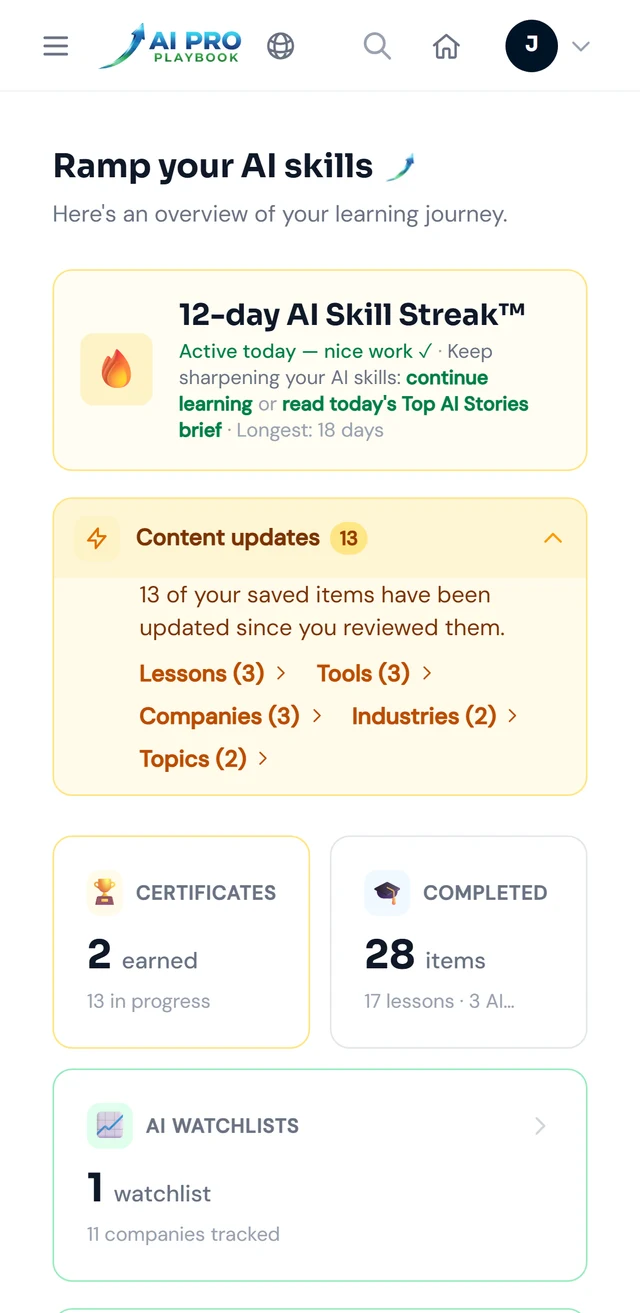
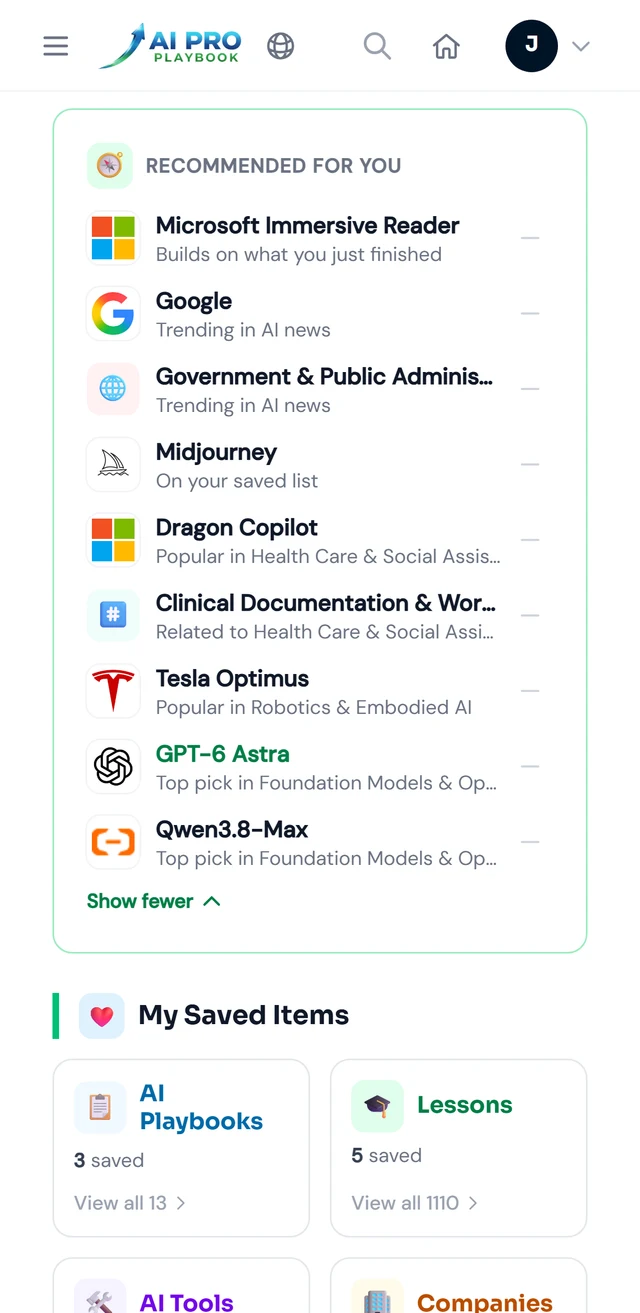
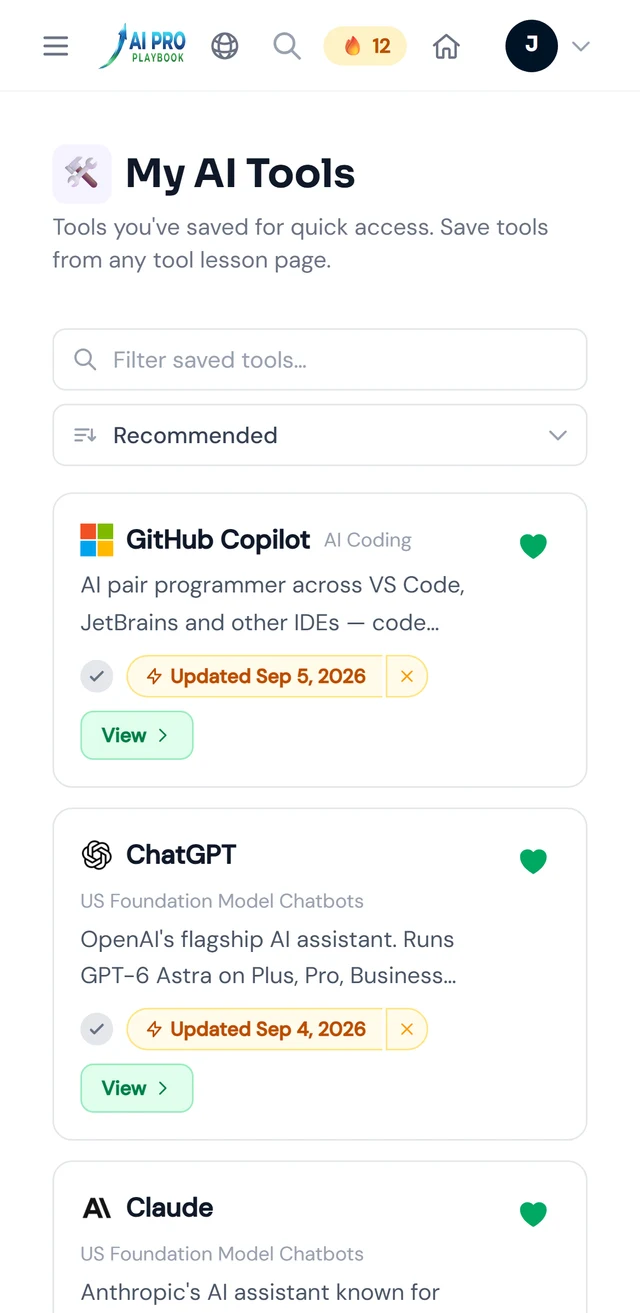
Swipe for Recommended for you and My AI Tools
Your AI Hub — sample data. See desktop view example
🛠️Top AI Tools in This Industry

Generative-design platform for real-estate developers and architects — auto-generates building configurations optimized for FAR, parking ratios, and unit mix.
Construction-document AI for active job sites — automates RFI responses, submittal review, and safety analysis from project documents.

 ChatGPT
OpenAI's flagship AI assistant. Runs GPT-6 Astra on Plus, Pro, Business and Enterprise since September 3, 2026, with GPT-5.6 Luna still the free default and unlimited free text chats. Includes GPT Image 2, full-duplex voice, Deep Research, ChatGPT Health, Sites for building and hosting web apps, and an auto-enrolled restricted mode for under-18s.
 Claude
Anthropic's AI assistant known for long-context reasoning, coding, and following nuanced instructions, with a 1 million token context window. Offers the current Claude lineup from the economical Opus tier up to the Fable flagship. Strong safety and helpfulness balance.