🏭Industry Overview
Updated May 16, 2026Full-Service Restaurants (NAICS 7225) covers sit-down restaurants where customers order, are served, and pay after eating. The publicly-traded restaurant groups include Darden Restaurants (Olive Garden, LongHorn Steakhouse, The Capital Grille, Yard House, ~$11 billion revenue), Bloomin' Brands (Outback Steakhouse, Carrabba's, Bonefish Grill), Brinker International (Chili's, Maggiano's), Texas Roadhouse, Cracker Barrel, Cheesecake Factory, BJ's Restaurants, and Red Robin. The fine-dining segment includes the major restaurant groups (Major Food Group, Restaurant Associates, Hillstone, Major League Eats), star-chef restaurant groups (Daniel Boulud, Thomas Keller Restaurant Group, Jean-Georges Management), and independents. The casual-dining-to-fine-dining spectrum varies by region. Reservation platforms include OpenTable (Booking Holdings), Resy (American Express), Tock (Squarespace), and SevenRooms. Combined US full-service-restaurant revenue exceeds $300 billion annually with industry employment over 5 million.
🤖AI in Action
AI is being applied across full-service-restaurant operations. Reservations and waitlist management (OpenTable, Resy, SevenRooms, Tock) increasingly include AI features for dynamic pricing of premium reservations, waitlist optimization, and personalized customer experience. Customer-service AI handles initial inquiries and routine reservations modifications. Inventory and demand-forecasting AI (Crisp, MarginEdge, Restaurant365) optimizes ordering and reduces food waste — particularly important for the 30%+ of restaurant food costs typically lost to waste in fine-dining. Labor scheduling AI (HotSchedules, 7shifts, Sling, Toast Payroll) optimizes scheduling against demand patterns. Menu engineering AI analyzes profitability by item and recommends pricing/composition changes. POS-platform AI (Toast, Square for Restaurants, Lightspeed) increasingly bundles AI features for everything from server-tip-prediction to fraud detection. The newer wave: generative AI for menu writing, wine pairings, AI-driven customer review responses (Tattle, ReviewTrackers), and AI-personalized loyalty offers. Generative-AI is also being applied to restaurant marketing and social-media content.
📊Impact on Jobs
Full-service-restaurant employment includes servers, bartenders, hosts, kitchen staff (line cooks, prep cooks, dishwashers), and management. Server and bartender roles remain insulated by the social-experience and tipping economics. Host roles are partly AI-augmented (waitlist apps, reservation systems) but the social function remains. Back-of-house roles face mixed pressure — line cooks remain in demand, but prep work is increasingly automated. Dishwashing remains stable (Dishcraft Robotics has explored automation but the segment is small). General-manager and assistant-manager roles are heavily AI-augmented through scheduling, inventory, and customer-experience tools. Reservations and customer-service roles at restaurant groups are AI-augmented. Corporate-marketing roles are heavily AI-augmented. New emerging roles: AI-restaurant-operations specialist, dynamic-pricing-reservations analyst (a Resy / OpenTable-emerging role), AI-customer-experience designer, generative-marketing-content lead at restaurant groups.
Keep track of AI in your sector
- Save the sectors you follow
- Get ⚡ alerts when their tools and companies change
- The AI tools that actually ship here, from 900+ AI tool profiles
- Today’s top AI Stories — the day’s most important AI news, free
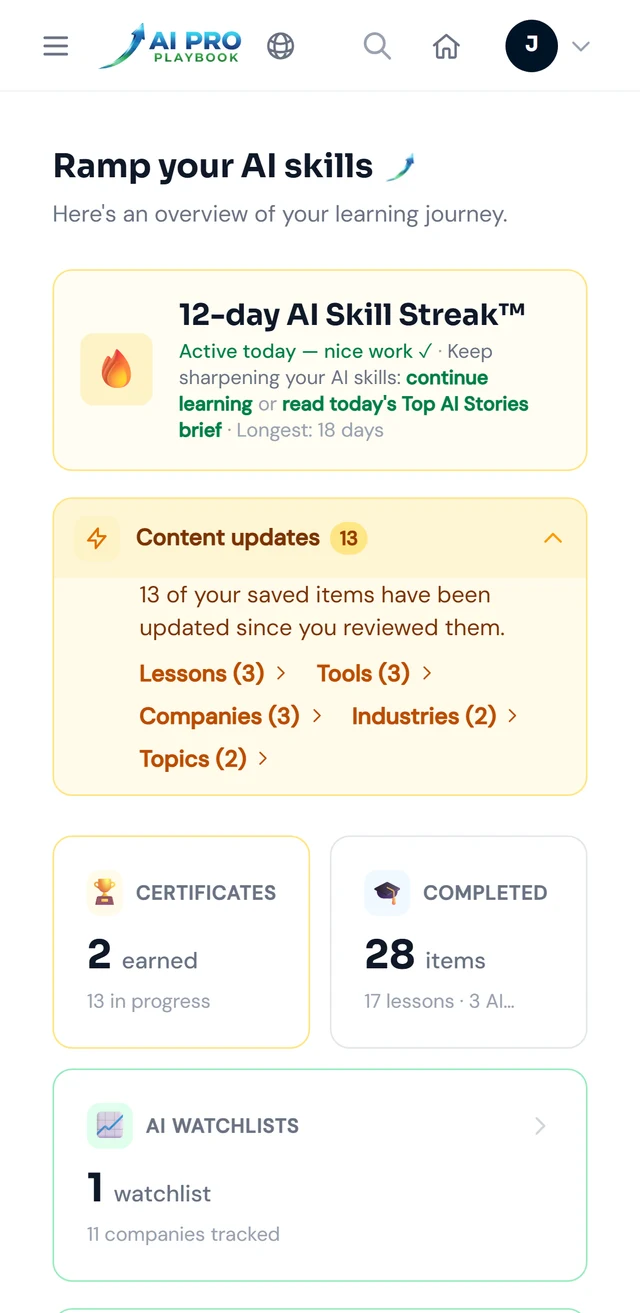
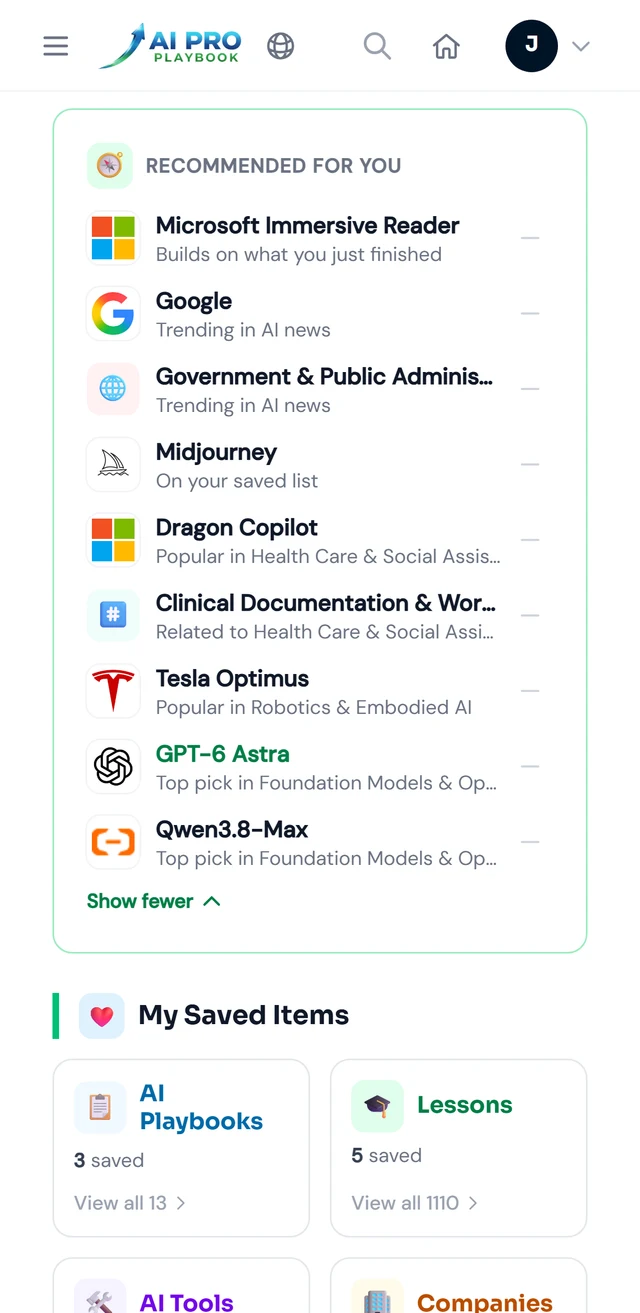
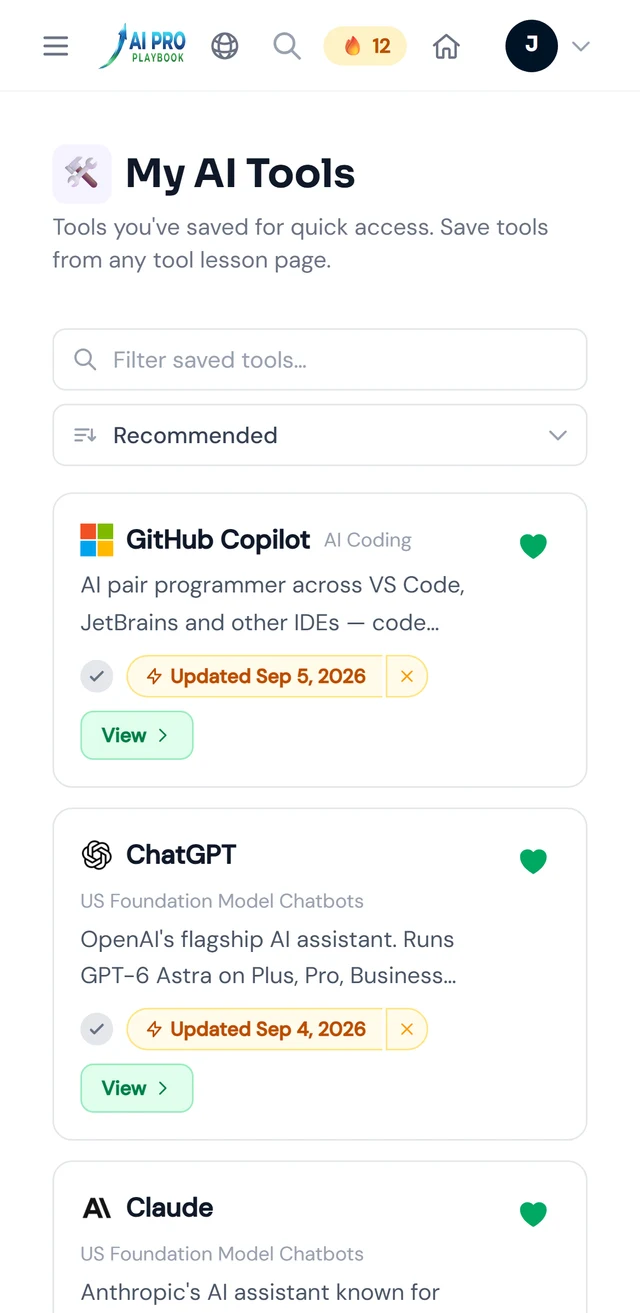
Swipe for Recommended for you and My AI Tools
Your AI Hub — sample data. See desktop view example
🛠️Top AI Tools in This Industry


Klarna's AI shopping and customer-service assistant. Initially credited with doing the work of roughly 700 agents, Klarna later walked back its AI-only support stance and re-introduced human agents for complex cases after service-quality concerns — a noted lesson on the limits of AI customer service.

 Fin 2
Fin 2Intercom AI customer support agent — resolves up to 82% of support volume (up from 40-50% in v1). 99.9% accuracy. Omnichannel: chat, email, WhatsApp. Procedures enable multi-step workflows via natural language. $0.99 per resolution pricing. 40M+ conversations resolved.
 ChatGPT
OpenAI's flagship AI assistant. Runs GPT-6 Astra on Plus, Pro, Business and Enterprise since September 3, 2026, with GPT-5.6 Luna still the free default and unlimited free text chats. Includes GPT Image 2, full-duplex voice, Deep Research, ChatGPT Health, Sites for building and hosting web apps, and an auto-enrolled restricted mode for under-18s.
 Claude
Anthropic's AI assistant known for long-context reasoning, coding, and following nuanced instructions, with a 1 million token context window. Offers the current Claude lineup from the economical Opus tier up to the Fable flagship. Strong safety and helpfulness balance.