🏭Industry Overview
Updated May 16, 2026Life, health, and medical insurance carriers cover the largest insurance segment by premium volume in the US, with roughly $1.2 trillion in combined annual premiums. Health insurance is dominated by UnitedHealth Group, Anthem (Elevance Health), CVS Health (Aetna), Humana, and Cigna at the national tier, plus regional Blue Cross Blue Shield licensees. Life insurance is dominated by MetLife, Prudential, New York Life, Northwestern Mutual, and MassMutual. The economic model splits between underwriting (pricing risk and selecting which applicants to insure) and claims management (processing and paying claims efficiently while detecting fraud). Both are deeply data-driven, making the segment one of the largest enterprise-AI deployment opportunities in financial services. Regulation is heavy: state-by-state insurance commissioners, NAIC model laws, ERISA for employer-sponsored plans, and ACA-era rules for individual marketplace plans all constrain how AI can be applied.
🤖AI in Action
L/H insurance AI deployment is highly bifurcated. UnitedHealth Group is widely regarded as the industry leader, with AI embedded across underwriting (Optum's predictive models for medical cost), claims (AI-driven adjudication), and care management (high-risk member identification). Cigna, Anthem, and Humana operate similar platforms with varying maturity. Shift Technology dominates the third-party fraud-detection space across L/H carriers. Verisk AI and Guidewire AI provide the underlying claims and policy-administration platforms most carriers run on. Vertafore AI and Applied Epic AI handle the broker-facing side. NICE Actimize provides financial-crime monitoring layered on top. The horizontal models (ChatGPT, Claude, Microsoft Copilot) handle internal drafting, customer-service workflows, and clinical-document summarization. Regulatory friction is significant — the 2024 federal lawsuit against UnitedHealth's claims-AI underscores how aggressively AI deployment is being scrutinized for bias and fairness.
📊Impact on Jobs
Underwriting workflows have compressed dramatically — applications that once took six weeks of medical-record review and physician follow-up can now go straight-through within hours for low-risk applicants. Claims processing is similarly compressed at the routine end (small medical claims auto-adjudicated) while high-complexity claims (long-term care, severe injury, contested coverage) still require human review. The biggest workforce squeeze is on claims-processor roles — historically a high-volume entry-level role at every major carrier. Underwriters and care-management nurses retain leverage from AI augmentation but face downward fee pressure as carriers expect more output per role. The regulatory layer is the dominant constraint: the 2024 lawsuits over algorithmic claims denial, plus state-level AI-disclosure rules, are forcing carriers to invest heavily in AI explainability and fairness validation. New roles: AI fairness officer, algorithmic-bias auditor, AI compliance specialist.
Keep track of AI in your sector
- Save the sectors you follow
- Get ⚡ alerts when their tools and companies change
- The AI tools that actually ship here, from 900+ AI tool profiles
- Today’s top AI Stories — the day’s most important AI news, free
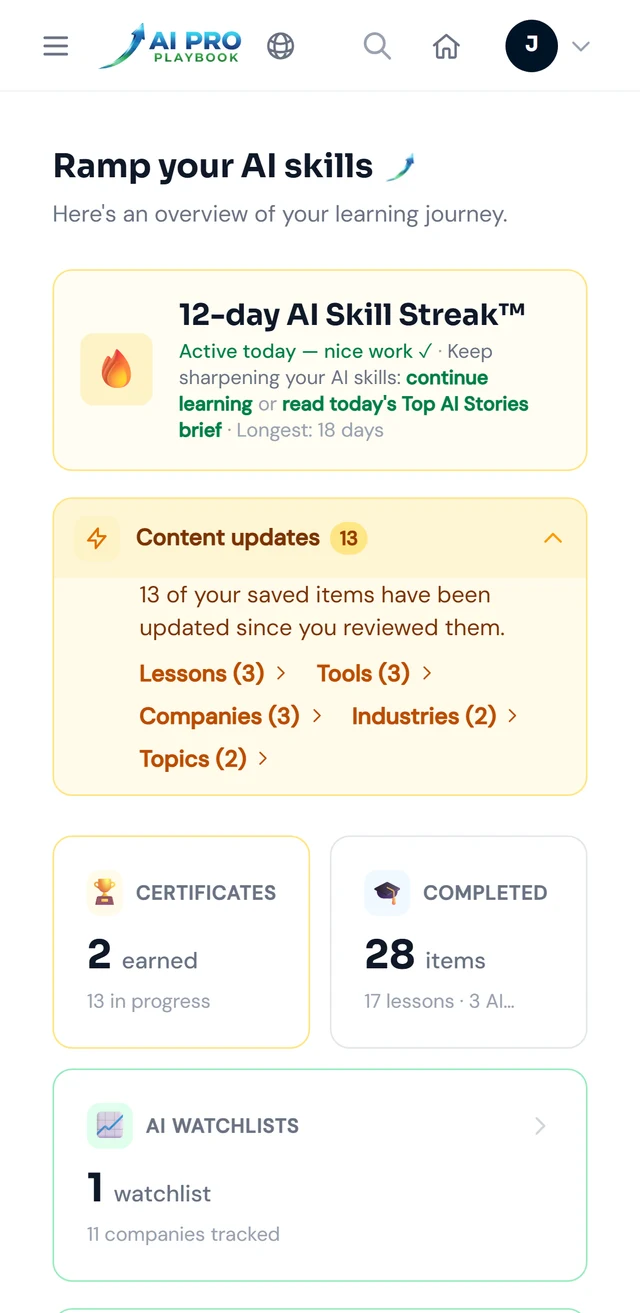
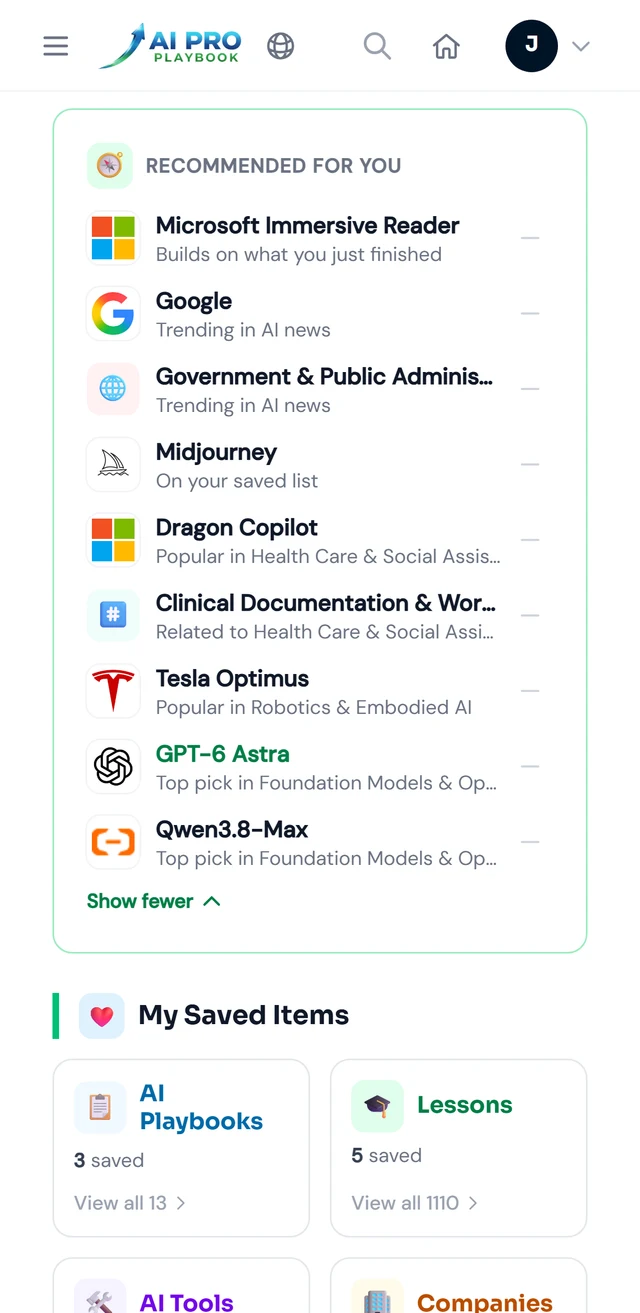
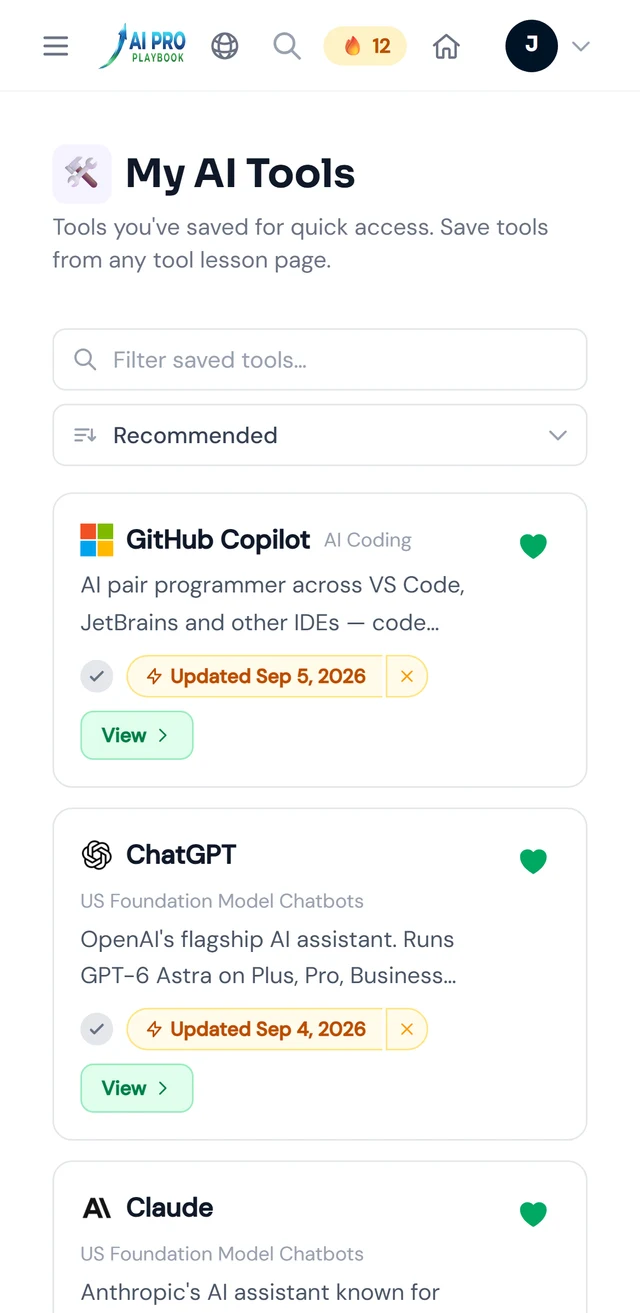
Swipe for Recommended for you and My AI Tools
Your AI Hub — sample data. See desktop view example
🛠️Top AI Tools in This Industry
AI-powered insurance fraud detection and claims-decisioning platform used by global P&C and health insurers.


Agency management system from Applied Systems with embedded AI for policy management, client communications, and producer workflow.

 ChatGPT
OpenAI's flagship AI assistant. Runs GPT-6 Astra on Plus, Pro, Business and Enterprise since September 3, 2026, with GPT-5.6 Luna still the free default and unlimited free text chats. Includes GPT Image 2, full-duplex voice, Deep Research, ChatGPT Health, Sites for building and hosting web apps, and an auto-enrolled restricted mode for under-18s.
 Claude
Anthropic's AI assistant known for long-context reasoning, coding, and following nuanced instructions, with a 1 million token context window. Offers the current Claude lineup from the economical Opus tier up to the Fable flagship. Strong safety and helpfulness balance.