📘Overview
Updated June 25, 2026AI alignment and safety research is the work of ensuring that AI systems — especially the most capable ones — reliably do what their designers and users intend, without causing unintended harm. As models grew more powerful and more autonomous, a technical field emerged around a deceptively hard problem: how do you make a system that optimizes for goals actually pursue the goals you meant, and behave honestly and safely even in situations its builders did not anticipate? This is now among the most consequential research areas in technology.
💡The AI Opportunity
The field spans interpretability (understanding what is happening inside a model), techniques like reinforcement learning from human feedback and Constitutional AI that shape model behavior toward helpfulness and harmlessness, robustness research that hardens models against misuse, and the study of how advanced systems might behave as they become more capable. The leading AI labs and a growing academic community treat safety not as an afterthought but as central to building systems people can trust.
🤖AI in Action
The clearest expression of safety research is in the frontier models themselves: Claude was built by Anthropic around Constitutional AI and a safety-first mission, and the major assistants ChatGPT and Gemini are shaped by extensive alignment work including reinforcement learning from human feedback. Scale AI provides the high-quality human-feedback and evaluation data that alignment techniques depend on. Much of the field, though, lives in research papers and methods rather than products — the work is as much science as software.
📊Impact on Jobs
Alignment research is creating an entirely new and fast-growing career path, with the leading labs competing intensely for researchers who can make powerful systems safe — among the highest-impact and best-compensated roles in AI. The work matters because trust is the precondition for the benefits of AI: a system people cannot rely on to behave as intended cannot be safely deployed in medicine, finance, or daily life. The honest picture is balanced — alignment has made real, measurable progress, and today's models are far more honest and controllable than early ones, while serious open problems remain as systems grow more capable. This is the field working to ensure the enormous promise of AI is realized safely, and it is one of the most meaningful places to work in the entire industry.
Keep track of the topics you follow
- Save the topics you follow
- Get ⚡ alerts when their tools and companies change
- Curated tools for this topic, from 900+ AI tool profiles
- Today’s top AI Stories — the day’s most important AI news, free
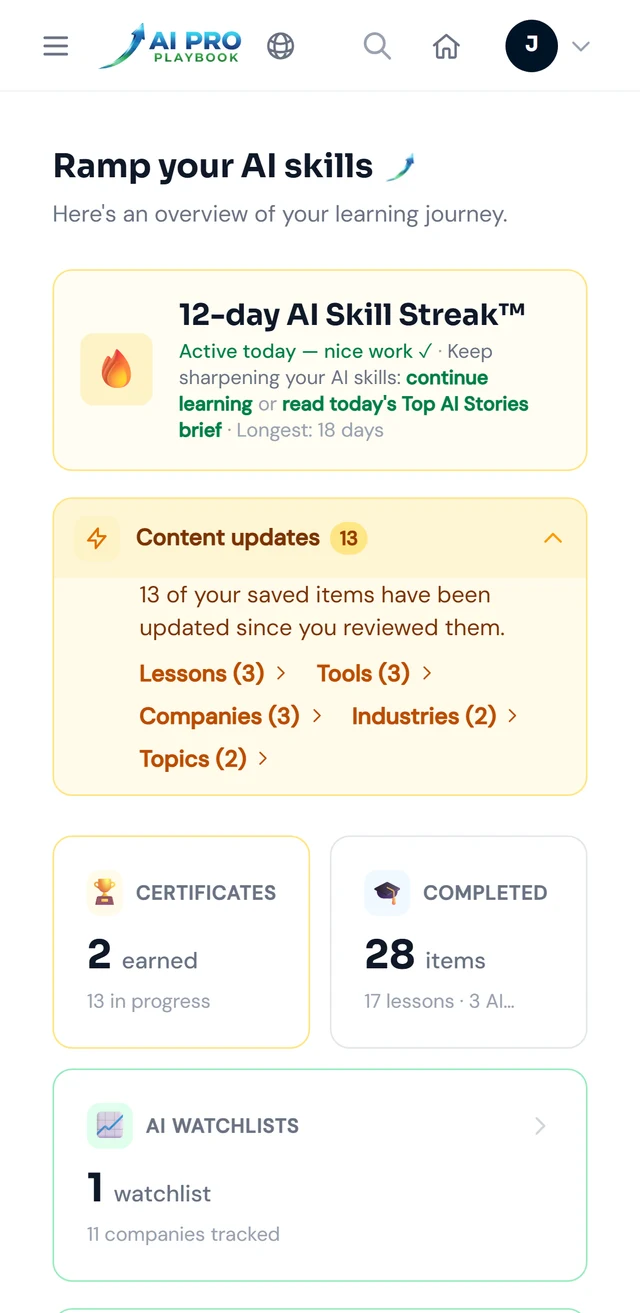
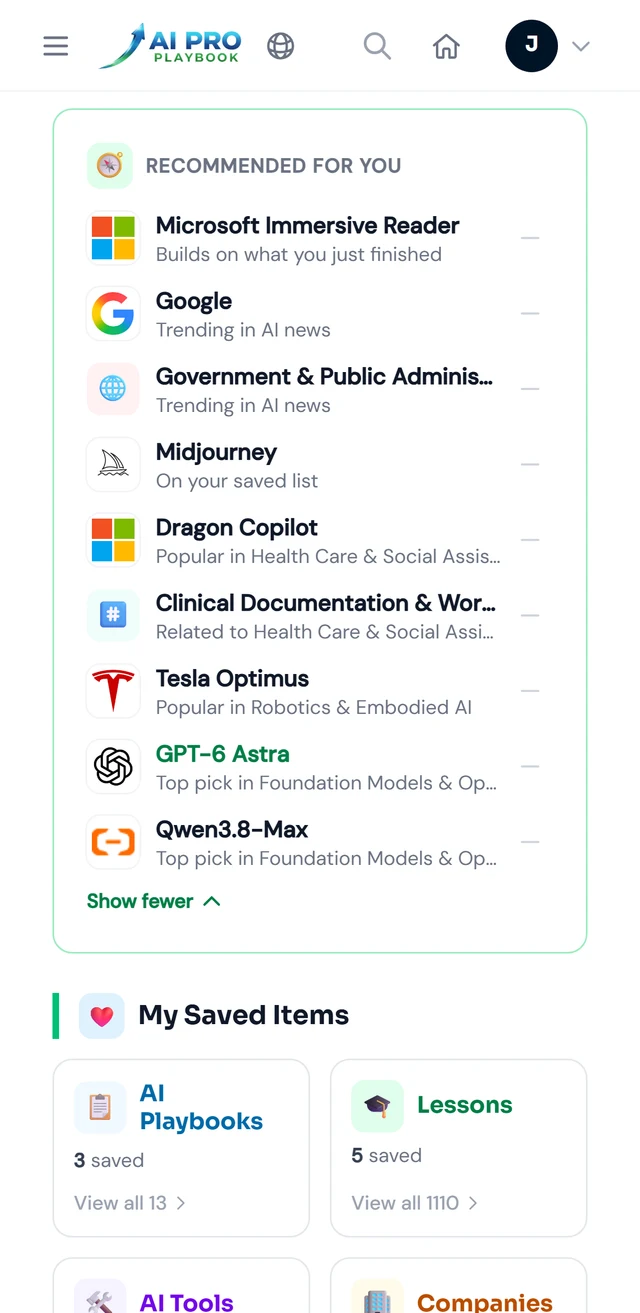
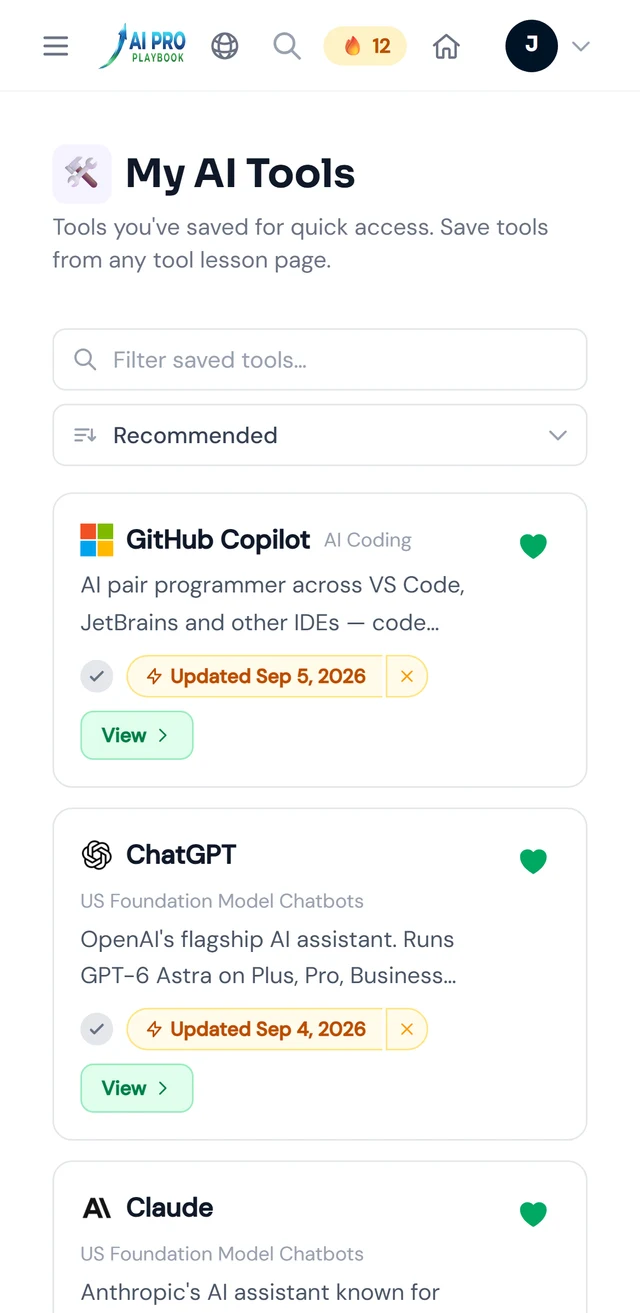
Swipe for Recommended for you and My AI Tools
Your AI Hub — sample data. See desktop view example
🛠️Top AI Tools for This Topic
 Claude
Anthropic's AI assistant known for long-context reasoning, coding, and following nuanced instructions, with a 1 million token context window. Offers the current Claude lineup from the economical Opus tier up to the Fable flagship. Strong safety and helpfulness balance.
 Scale AI
AI data infrastructure platform providing data annotation, model evaluation, and deployment services for enterprises and government. Remotasks and Outlier platforms for expert human feedback at scale.
 ChatGPT
OpenAI's flagship AI assistant. Runs GPT-6 Astra on Plus, Pro, Business and Enterprise since September 3, 2026, with GPT-5.6 Luna still the free default and unlimited free text chats. Includes GPT Image 2, full-duplex voice, Deep Research, ChatGPT Health, Sites for building and hosting web apps, and an auto-enrolled restricted mode for under-18s.

Google's AI assistant. Gemini 3.8 Flash reaches the app and Search AI Mode for AI Pro and Ultra subscribers while the free tier stays on 3.6 Flash, and Gemini 3.8 Live added a speech-to-speech layer in September 2026. Native multimodal, 1M token context, Deep Research, deep Google Workspace integration.