📘Overview
Updated July 20, 2026Software engineering was one of the first fields where AI agents moved from autocomplete to autonomy. Early coding assistants suggested the next line; today's coding agents take a described task, explore a codebase, edit multiple files, run tests, and iterate until the work is done — sometimes opening a pull request for human review at the end.
💡The AI Opportunity
This topic covers that spectrum: agentic coding assistants that run inside the editor or terminal, and more autonomous software-engineer agents that operate with minimal step-by-step direction. It is a focused, capability-based view of coding agents specifically; the broader craft of software development lives in its own topic group.
🤖AI in Action
The load-bearing AI is a code-capable language model wrapped in an agent loop that can read files, run commands, observe results, and self-correct. The genuine advances are in long-horizon task completion — staying coherent across dozens of steps — and in tool use against real development environments. Reliability varies widely by task complexity, and human review remains the norm for anything shipped to production, so these are best understood as force-multipliers for engineers rather than replacements. The frontier question is how much of a real ticket an agent can close unattended.
Keep track of the topics you follow
- Save the topics you follow
- Get ⚡ alerts when their tools and companies change
- Curated tools for this topic, from 1,000+ AI tool profiles
- Today’s top AI Stories — the day’s most important AI news, free
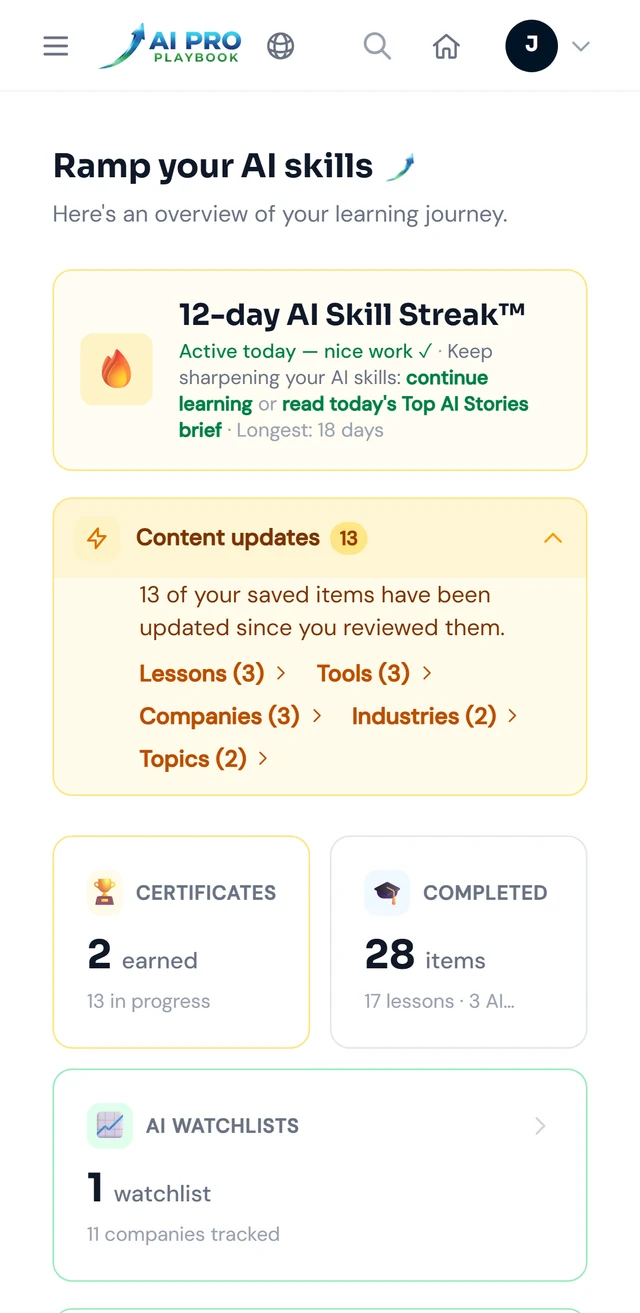
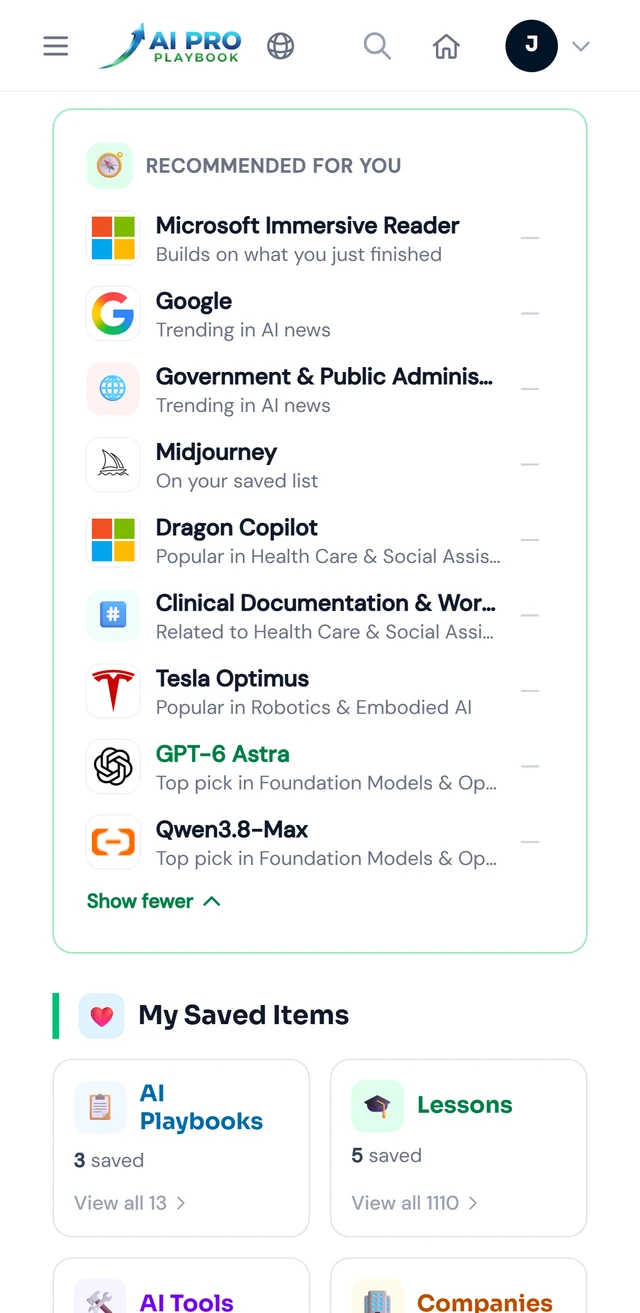
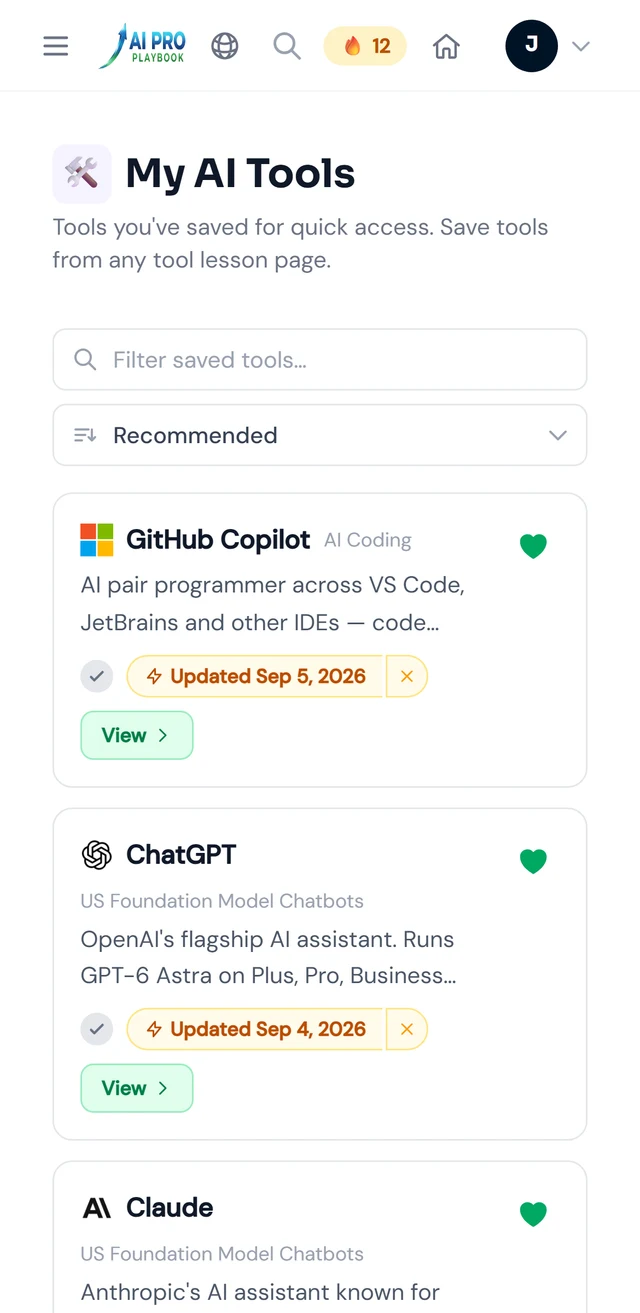
Swipe for Recommended for you and My AI Tools
Your AI Hub — sample data. See desktop view example
🛠️Top AI Tools for This Topic
 Devin
The first fully autonomous AI software engineer, from Cognition. Plans, writes, debugs and deploys code end-to-end from natural language, using browser, terminal and editor together. Runs on SWE-2 since September 2026, a model post-trained from Moonshot AI's open-weight Kimi K3.

Open-source git-integrated AI coding CLI. Every AI change auto-committed with explanatory message. Works with any LLM. Apache 2.0.


Pivoted from IDE extension to Continuous AI — open-source CLI running async agents on every PR. GitHub/Sentry/Snyk integration. Free.
 Mistral Vibe CLI
Open-source terminal coding agent powered by Devstral 2 with custom subagents (TOML config), slash-command skills, MCP support, and on-premise deployment.
 Grok Build
SpaceXAI's terminal coding agent — a full-screen interface that reads a codebase, edits files, runs shell commands, and manages long-running tasks, with Grok 4.6 as its stated default and Grok 4.7 available since September 21, 2026. Roughly 844,000 lines of Rust published under Apache 2.0 in July 2026 after security researchers found the agent uploading developers' entire Git repositories. Source-transparent, but contributions are refused.
 North Mini Code
Cohere's first agentic coding model and first open-weights release — a 30 billion-parameter mixture-of-experts design (3 billion active) with a 256K context, Apache 2.0 weights on Hugging Face.
 SWE-2
Cognition's coding model, post-trained from Moonshot AI's open-weight Kimi K3. Cognition reports 50.0 percent on FrontierCode 1.1 Main — within a point of Claude Fable 5.1 at 64 percent less cost — but 27.3 percent on Terminal-Bench 4 against Fable 5.1's 55.8. No standalone API: it ships only inside Devin, and every figure is vendor-reported.