📘Overview
Updated June 25, 2026Transactional law is the business of deals and agreements — drafting and negotiating contracts, managing the documents behind mergers and financings, and tracking obligations across an organization's entire body of agreements. Unlike litigation, it is forward-looking and document-creation-heavy, built on templates, precedent language, and careful review. That repetitive, pattern-rich character makes contract work one of the most AI-transformable areas of legal practice.
💡The AI Opportunity
AI now drafts contracts from a description, reviews and redlines agreements against a firm's standards in minutes, extracts key terms and obligations across thousands of documents, and flags risky clauses automatically. Contract-lifecycle platforms manage the whole portfolio with AI watching for renewals, risks, and inconsistencies. The work shifts from drafting and reviewing every clause by hand toward setting the standards, handling the complex negotiations, and reviewing what the AI flags.
🤖AI in Action
Ironclad AI runs contract-lifecycle management with AI across drafting, review, and obligation tracking, and Spellbook brings AI drafting and redlining directly into the lawyer's word processor. Harvey and CoCounsel handle transactional drafting and analysis, and Legora gives deal teams a shared AI workspace. The assistants Claude and ChatGPT help draft and explain contract language, with human review before anything is executed.
📊Impact on Jobs
AI is automating the high-volume drafting and review that filled much of a transactional lawyer's time, which compresses deal timelines and reshapes the associate work built on document review. The valued skills shift toward negotiation, structuring, risk judgment, and the business sense behind a deal. The roles most exposed are routine drafting, review, and contract administration; the roles that grow are complex deal-making and the oversight of AI-driven contract systems. As everywhere in law, the lawyer stays accountable — an AI-drafted contract is a starting point a human must own — but the leverage AI provides is large and the efficiency gains real.
Keep track of the topics you follow
- Save the topics you follow
- Get ⚡ alerts when their tools and companies change
- Curated tools for this topic, from 900+ AI tool profiles
- Today’s top AI Stories — the day’s most important AI news, free
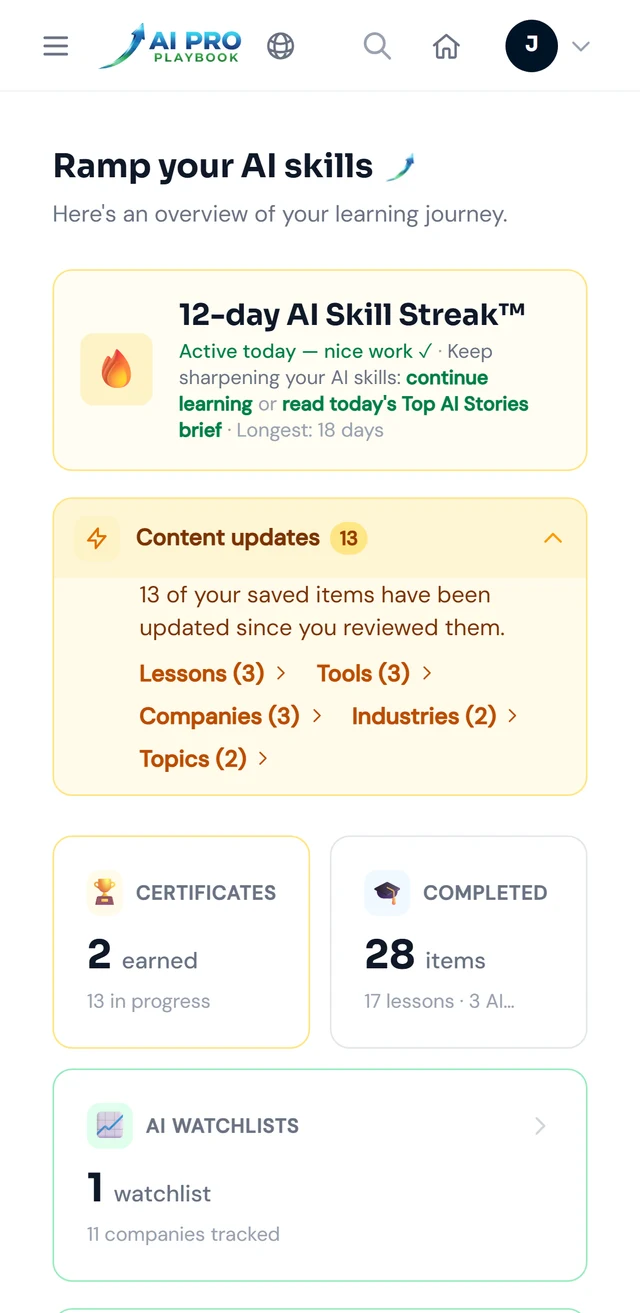
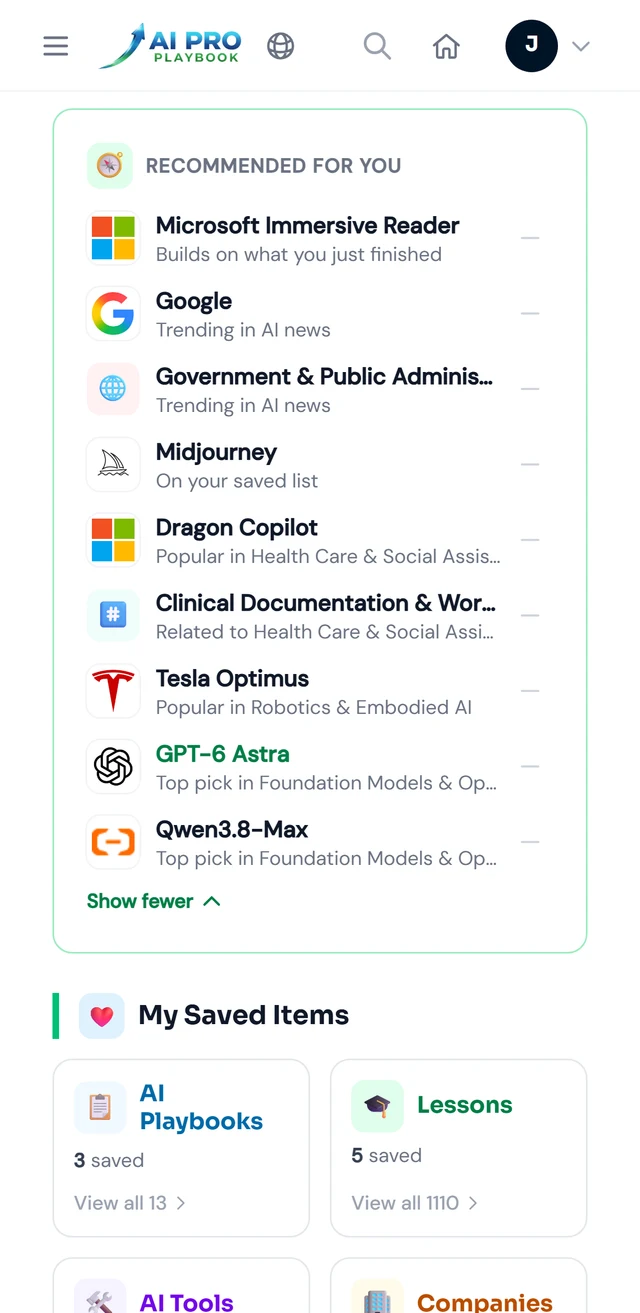
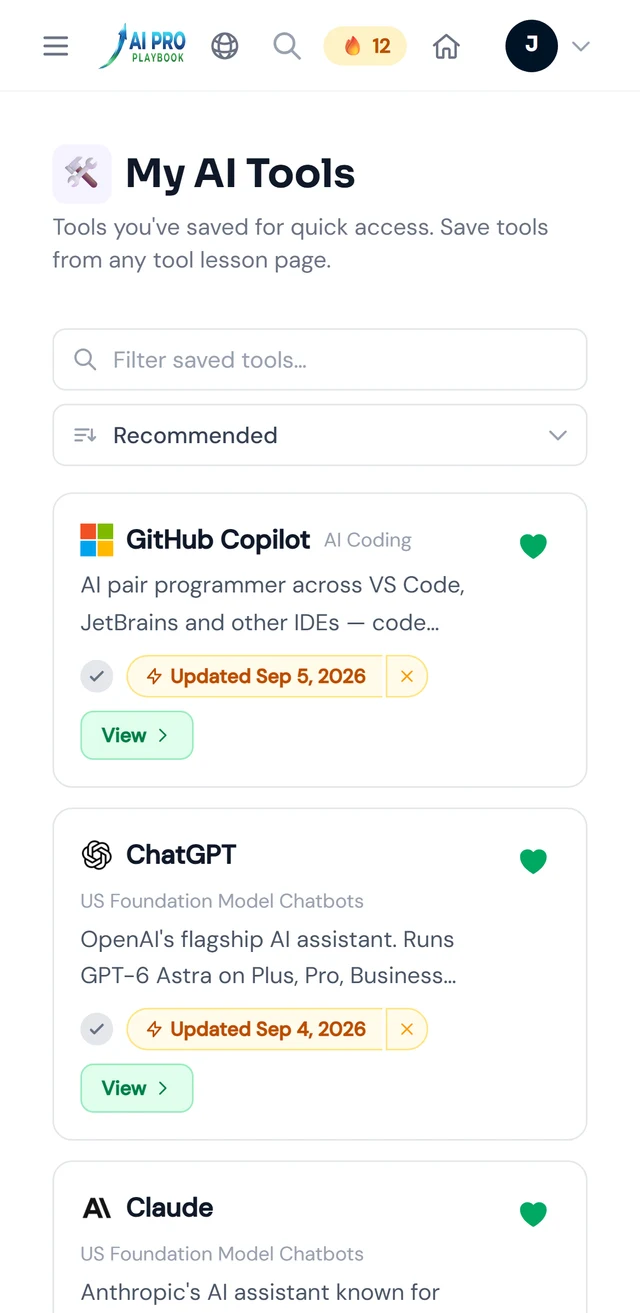
Swipe for Recommended for you and My AI Tools
Your AI Hub — sample data. See desktop view example
🛠️Top AI Tools for This Topic
 Ironclad AI
AI-powered contract lifecycle management platform streamlining contract creation, negotiation, approval, and compliance tracking for enterprise legal and business teams.
Contract review and drafting AI built into Microsoft Word — automates redlines, suggests clauses, and flags risks for transactional lawyers.
 Harvey
AI-native legal assistant for research, contract analysis, document drafting, due diligence, and litigation support. Used by ~100,000 lawyers across 50 of the top 100 AmLaw firms. Agentic workflows for multi-step legal tasks.
 Legora
Swedish legal AI platform serving 1,000-plus law firms across 50 markets — collaborative document review, contract analysis, due diligence, AI-native research. $5.6 billion valuation (April 2026 Series D extension led by NVentures + Atlassian); $100 million-plus ARR. Direct Harvey competitor with collaboration-first UX.

Thomson Reuters' agentic AI legal assistant (now "CoCounsel Legal") that plans, reasons, and executes multi-step legal workflows — document drafting, deposition and document analysis, research, and compliance. A next-generation agentic rebuild on Anthropic's Claude Agent SDK is rolling out in 2026.
 Claude
Anthropic's AI assistant known for long-context reasoning, coding, and following nuanced instructions, with a 1 million token context window. Offers the current Claude lineup from the economical Opus tier up to the Fable flagship. Strong safety and helpfulness balance.
 ChatGPT
OpenAI's flagship AI assistant. Runs GPT-6 Astra on Plus, Pro, Business and Enterprise since September 3, 2026, with GPT-5.6 Luna still the free default and unlimited free text chats. Includes GPT Image 2, full-duplex voice, Deep Research, ChatGPT Health, Sites for building and hosting web apps, and an auto-enrolled restricted mode for under-18s.