📘Overview
Updated June 25, 2026Electronic discovery, or eDiscovery, is the process of identifying, collecting, and reviewing the electronic documents relevant to a lawsuit or investigation — emails, files, messages, and data that can run to millions of items in a single case. It is one of the most expensive and labor-intensive parts of modern litigation, historically requiring large teams of contract attorneys to review documents one by one. It is also, fundamentally, a massive-scale classification problem — precisely what machine learning does best.
💡The AI Opportunity
AI transformed eDiscovery first through technology-assisted review, where models learn from a small set of human decisions to classify millions of documents, and now through generative AI that can summarize, answer questions about, and surface the key facts buried in a document set. What once took a team months can now be done in a fraction of the time. The work shifts from reviewing every document toward training and supervising the AI and focusing human attention on the genuinely important material it surfaces.
🤖AI in Action
Relativity is the dominant eDiscovery platform, applying AI to review, classify, and surface relevant documents across enormous case datasets. Harvey and CoCounsel add generative analysis and questioning across case materials, and Legora supports collaborative review. The assistants Claude and ChatGPT can help summarize and analyze documents, with the verification and confidentiality caveats that govern all legal AI.
📊Impact on Jobs
AI has cut the cost and time of document review dramatically and largely displaced the contract-attorney review work that was once a major source of legal employment — one of the clearest examples of AI reshaping a legal role. The valued work moves toward managing the review process, validating the AI's classifications, and analyzing the key documents it identifies. The trade-off is defensibility: courts and opponents scrutinize how an AI-driven review was conducted, so transparency and human oversight of the process are essential. eDiscovery is the part of law where AI is most mature and its workforce impact most visible.
Keep track of the topics you follow
- Save the topics you follow
- Get ⚡ alerts when their tools and companies change
- Curated tools for this topic, from 900+ AI tool profiles
- Today’s top AI Stories — the day’s most important AI news, free
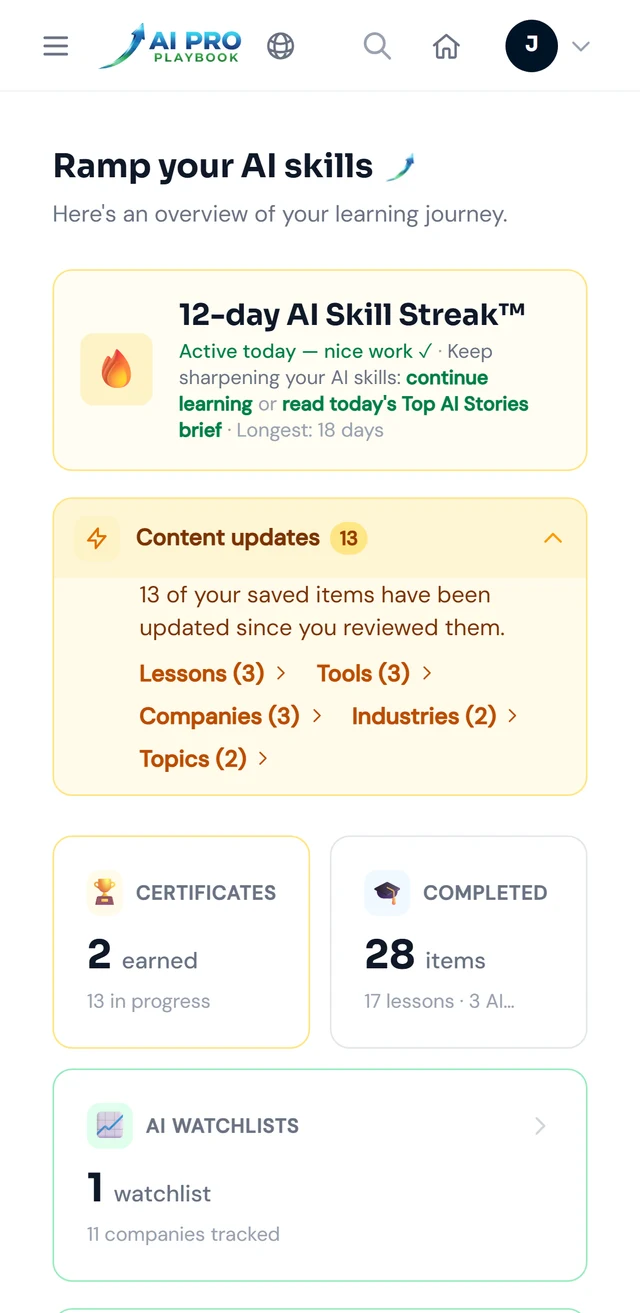
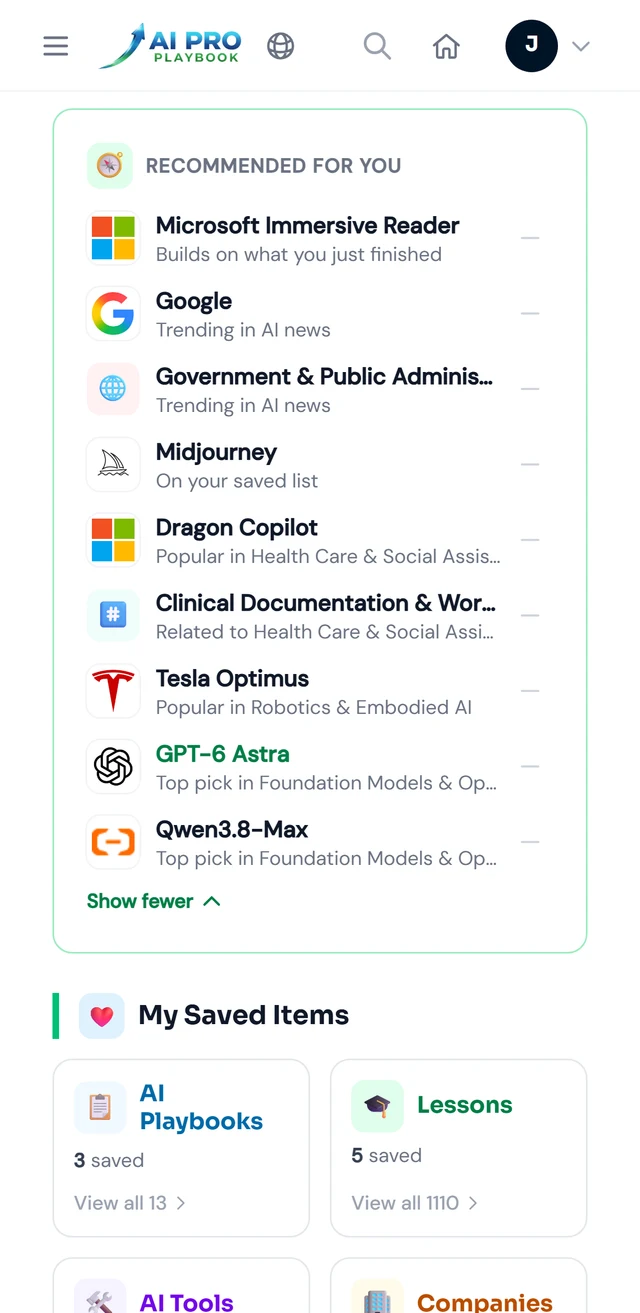
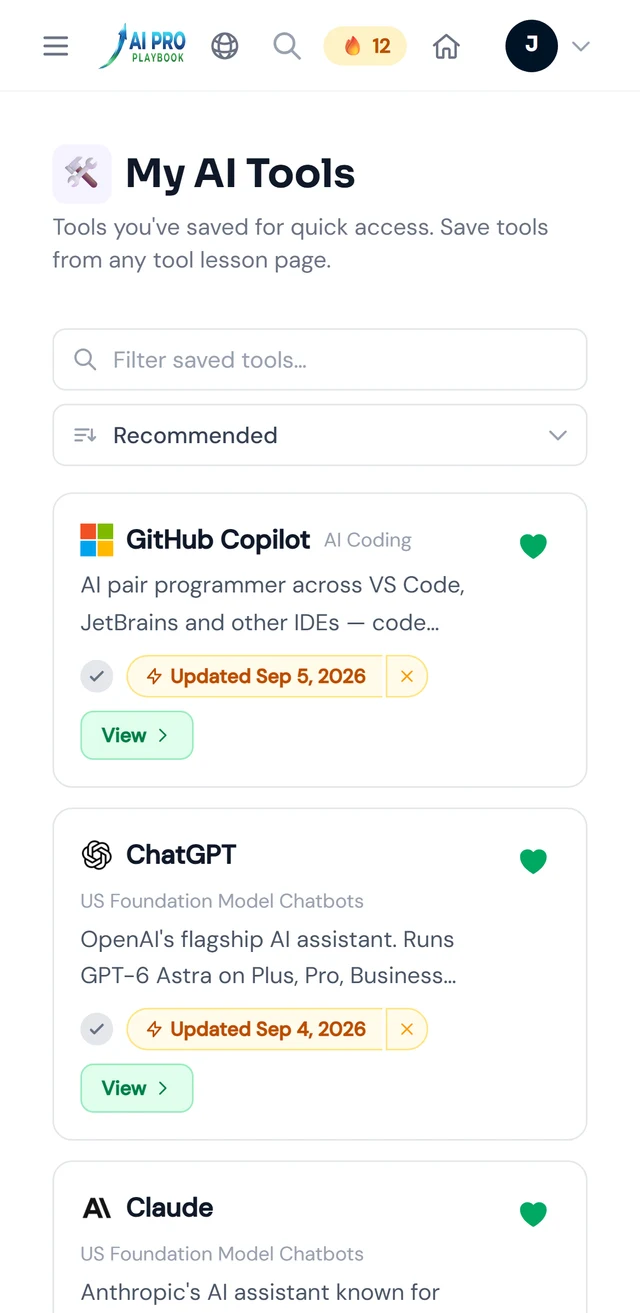
Swipe for Recommended for you and My AI Tools
Your AI Hub — sample data. See desktop view example
🛠️Top AI Tools for This Topic
 Relativity
Legal eDiscovery platform with AI-powered document review, privilege detection, and case strategy. aiR suite is standard in RelativityOne at no extra cost. Supports 100+ languages, audio/video transcription, and natural language search.
 Harvey
AI-native legal assistant for research, contract analysis, document drafting, due diligence, and litigation support. Used by ~100,000 lawyers across 50 of the top 100 AmLaw firms. Agentic workflows for multi-step legal tasks.

Thomson Reuters' agentic AI legal assistant (now "CoCounsel Legal") that plans, reasons, and executes multi-step legal workflows — document drafting, deposition and document analysis, research, and compliance. A next-generation agentic rebuild on Anthropic's Claude Agent SDK is rolling out in 2026.
 Legora
Swedish legal AI platform serving 1,000-plus law firms across 50 markets — collaborative document review, contract analysis, due diligence, AI-native research. $5.6 billion valuation (April 2026 Series D extension led by NVentures + Atlassian); $100 million-plus ARR. Direct Harvey competitor with collaboration-first UX.
 Claude
Anthropic's AI assistant known for long-context reasoning, coding, and following nuanced instructions, with a 1 million token context window. Offers the current Claude lineup from the economical Opus tier up to the Fable flagship. Strong safety and helpfulness balance.
 ChatGPT
OpenAI's flagship AI assistant. Runs GPT-6 Astra on Plus, Pro, Business and Enterprise since September 3, 2026, with GPT-5.6 Luna still the free default and unlimited free text chats. Includes GPT Image 2, full-duplex voice, Deep Research, ChatGPT Health, Sites for building and hosting web apps, and an auto-enrolled restricted mode for under-18s.