📘Overview
Updated June 25, 2026Endpoint and network security protect the devices and connections that make up an organization — laptops, servers, phones, and the network traffic flowing between them. These are the surfaces attackers target first, and the volume of activity to monitor is staggering: every process on every device, every packet on the network. Traditional signature-based defenses catch known threats but miss novel ones, which is why the field has moved decisively toward AI that learns normal behavior and flags deviations.
💡The AI Opportunity
AI-driven endpoint detection watches device behavior for the subtle signs of an attack, and network detection learns an organization's normal traffic patterns to spot intrusions that have never been seen before. These systems can detect and block threats autonomously at machine speed, far faster than a human could react. The work shifts from writing rules and chasing known signatures toward supervising adaptive AI defenses and investigating what they surface.
🤖AI in Action
CrowdStrike Falcon and SentinelOne lead AI-driven endpoint detection and response, using behavioral models to catch attacks on devices in real time. Cisco Hypershield applies AI to network and runtime security, autonomously segmenting and protecting traffic at scale, and Darktrace brings self-learning AI to network anomaly detection. ActiveAI rounds out the AI-driven defense stack. Together they protect the device and network layers where most attacks begin.
📊Impact on Jobs
AI has made endpoint and network defense dramatically more effective at catching novel, fast-moving attacks — the kind that slip past signature-based tools — and at responding in the seconds that matter during a breach. The exposed work is manual monitoring and rule-writing; the valued work is tuning and overseeing the AI, investigating sophisticated intrusions, and architecting defenses. Autonomy is the double edge: AI that can block a threat instantly can also disrupt legitimate operations if it misfires, so the balance between automated speed and human control is an active design question. As attackers automate their own operations, AI-speed defense is becoming table stakes.
Keep track of the topics you follow
- Save the topics you follow
- Get ⚡ alerts when their tools and companies change
- Curated tools for this topic, from 900+ AI tool profiles
- Today’s top AI Stories — the day’s most important AI news, free
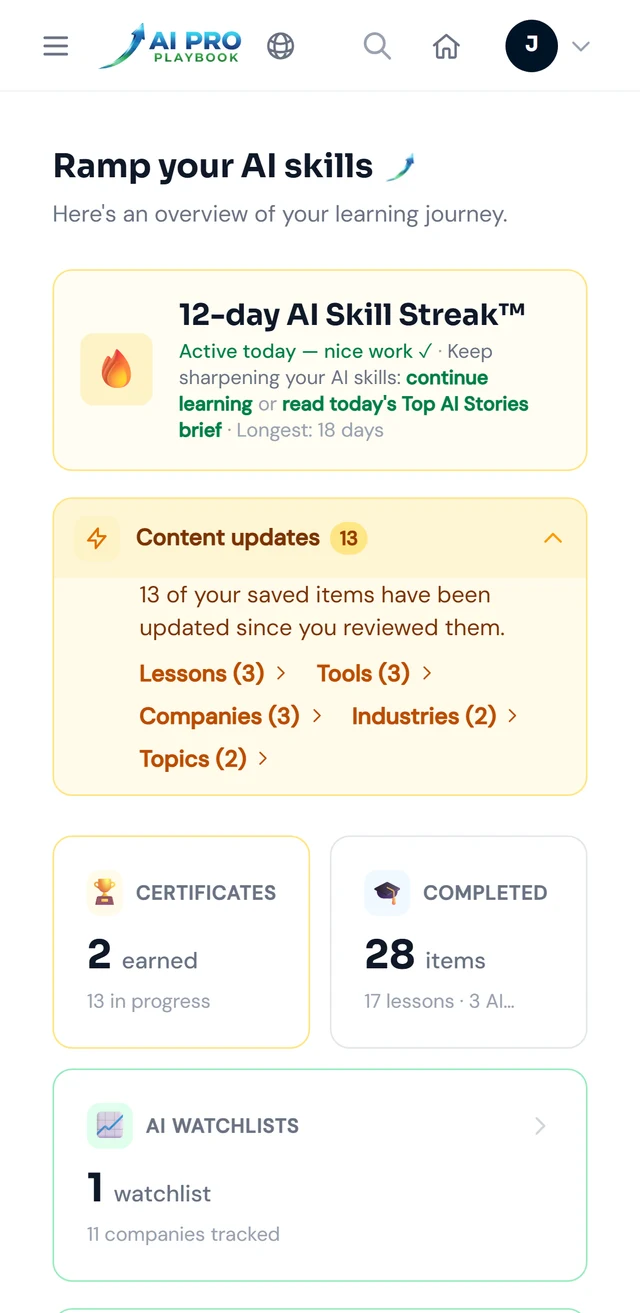

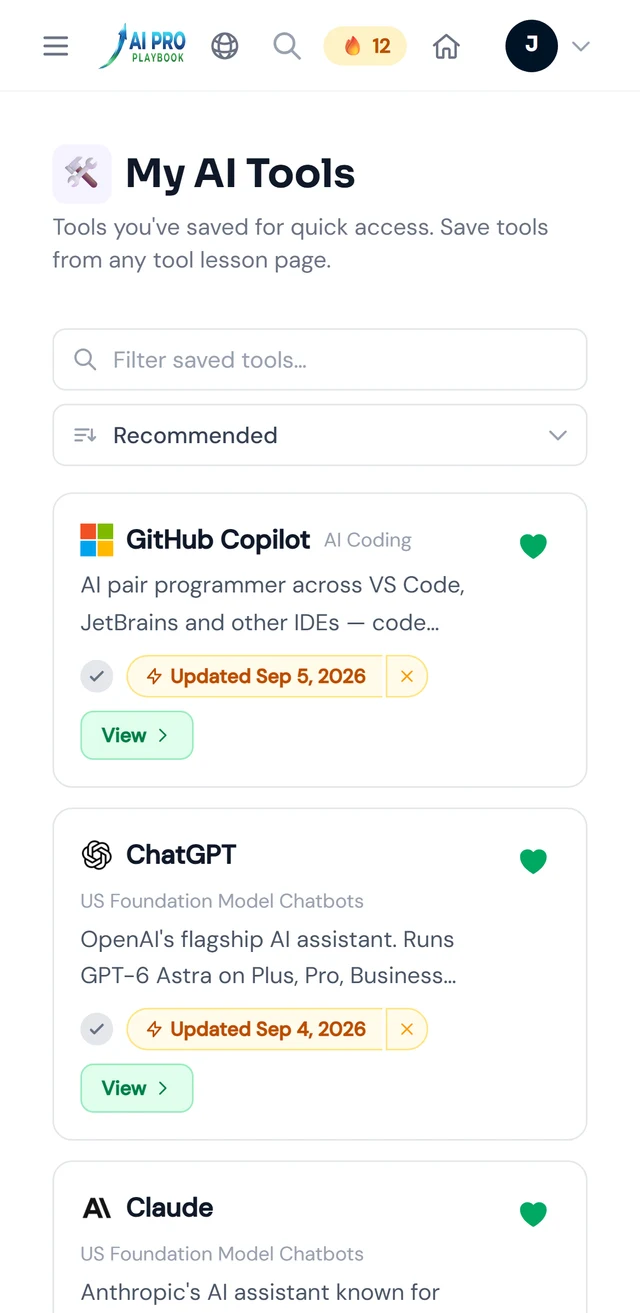
Swipe for Recommended for you and My AI Tools
Your AI Hub — sample data. See desktop view example
🛠️Top AI Tools for This Topic



Cisco's distributed, AI-native security architecture for AI-scale data centers. Pushes enforcement into the Linux kernel via eBPF (from the Isovalent acquisition) and into the fabric through N9300 Smart Switches with DPUs. Autonomous Segmentation learns application behavior to automate policy, and self-qualifying updates validate policy changes against a digital twin before applying them.
 Darktrace
Self-learning AI platform that models normal behavior across enterprise environments and autonomously neutralizes novel cyber threats in real time without predefined rules.
ActiveAI PlatformSelf-learning AI security platform providing autonomous detection, response, and recovery — learning normal patterns for every user, device, and system to detect deviations.