📘Overview
Updated June 25, 2026Special education and accessibility focus on supporting learners with disabilities and diverse needs — students with dyslexia, ADHD, autism, visual or hearing impairments — and the educators who serve them. The work is highly individualized and documentation-heavy (individualized education programs, accommodations, progress monitoring), and the support a student needs is often expensive and scarce. AI is beginning to change both sides: easing the heavy workload on special educators, and putting assistive capabilities directly in students' hands.
💡The AI Opportunity
On the teacher side, AI drafts the individualized-education-program paperwork and accommodations that consume enormous time, and adapts any text to a student's reading level. On the student side, assistive AI reads text aloud, describes the visual world for blind users, and breaks overwhelming tasks into manageable steps for neurodivergent learners. The common thread is personalization at scale — giving each learner the specific support they need, which human resources alone could never stretch to cover.
🤖AI in Action
MagicSchool gives teachers AI tools for the documentation-heavy parts of special education — drafting individualized-education-program goals, accommodations, and differentiated materials. Microsoft Immersive Reader improves reading access with text-to-speech, spacing, and translation built into widely-used apps. Goblin Tools offers simple AI utilities prized by neurodivergent users — breaking tasks into steps, estimating effort, and adjusting tone. And Be My Eyes connects blind and low-vision users with AI and human visual assistance. Together they span teacher workflow, reading access, executive function, and vision.
📊Impact on Jobs
AI is easing two of the hardest constraints in special education at once: the crushing paperwork load on special educators, and the scarcity of individualized support for students. It drafts the IEP documentation that burns out teachers, and puts assistive tools that were once specialized and expensive into any student's hands. The valued human work stays deeply relational — the judgment, advocacy, and personal connection that define good special education, which AI cannot replace. The essential caveats are accuracy and dignity: AI-drafted IEP content must be reviewed by the team responsible for the student, and assistive tools must be designed with and for the people who use them. Used well, AI is a genuine force for equity — extending support to learners who have long been underserved.
Keep track of the topics you follow
- Save the topics you follow
- Get ⚡ alerts when their tools and companies change
- Curated tools for this topic, from 900+ AI tool profiles
- Today’s top AI Stories — the day’s most important AI news, free
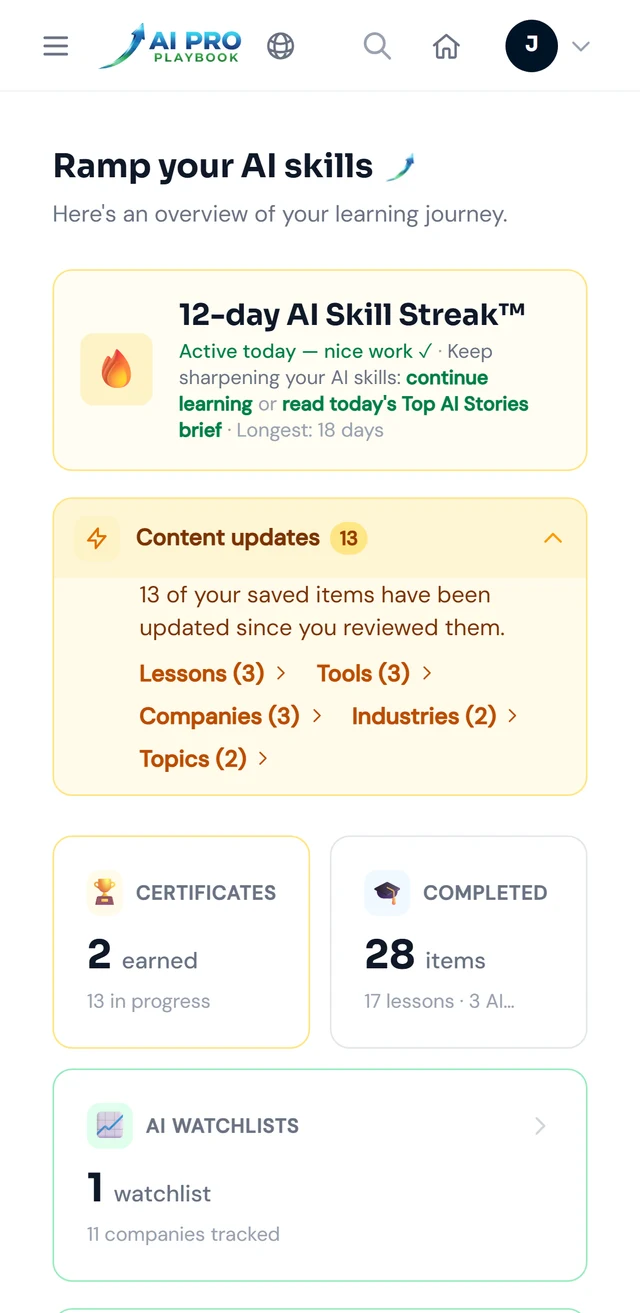
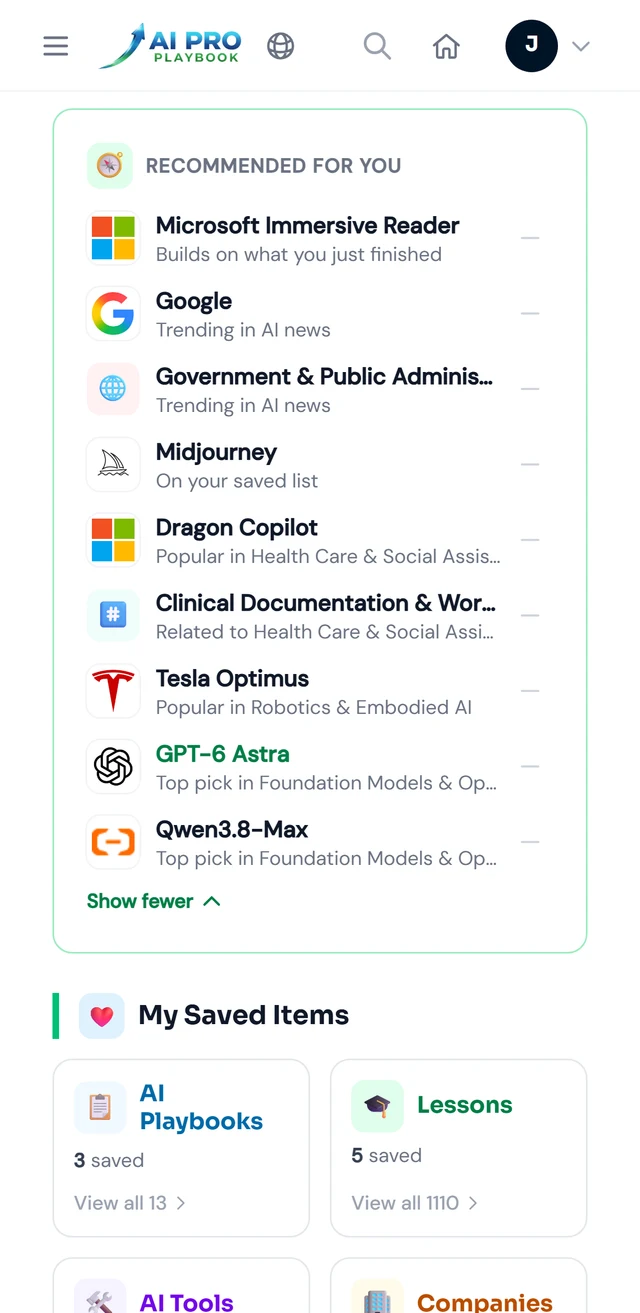
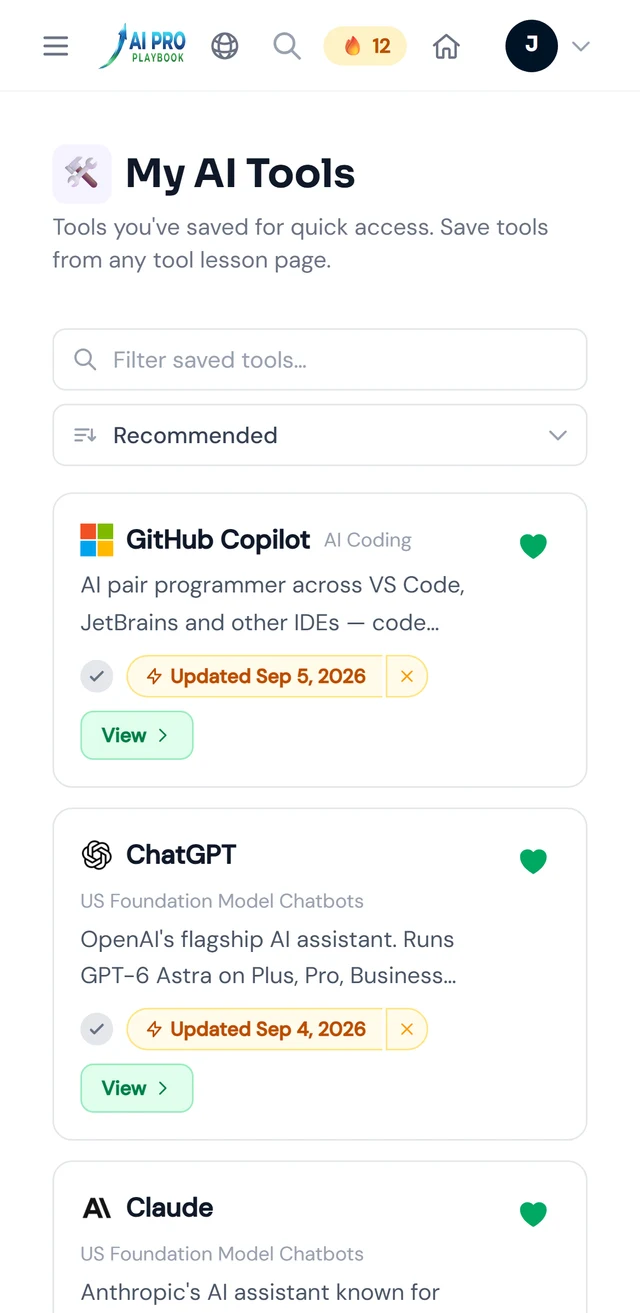
Swipe for Recommended for you and My AI Tools
Your AI Hub — sample data. See desktop view example
🛠️Top AI Tools for This Topic


 Otter.ai
Real-time AI meeting transcription for Zoom, Google Meet, and Teams. Auto-generates summaries, action items, and searchable transcripts.
 Amira Learning
AI reading tutor that listens to K-5 students read aloud, assesses, and tutors one-on-one.


 Goblin Tools
A small set of AI utilities popular for executive-function support — breaks overwhelming tasks into steps, estimates effort, and adjusts message tone. Loved by neurodivergent users.