🏭Industry Overview
Updated May 16, 2026Residential Building Construction (NAICS 2361) covers single-family home construction, multifamily housing, and manufactured/modular housing. The publicly-traded national builders include D.R. Horton (the largest US homebuilder by volume, ~90,000 closings annually), Lennar Corporation, PulteGroup, NVR (operating the Ryan Homes brand), Taylor Morrison, KB Home, Toll Brothers (the luxury-focused builder), Meritage Homes, and Tri Pointe Homes. The multifamily-housing segment is dominated by major REITs and developers — Greystar, Lincoln Property, Mill Creek Residential, AvalonBay Communities, Equity Residential. Manufactured-housing leaders include Clayton Homes (Berkshire Hathaway-owned) and Champion Homes. Combined US residential-construction revenue exceeds $700 billion annually across new-home construction and the larger remodel/renovation segment. The industry faces chronic challenges around land availability, labor shortages (skilled-trades worker shortage), and rising material costs.
🤖AI in Action
AI is being applied across residential construction. Land-acquisition AI (Stratasite, Buildium for property-management AI, the major builders' proprietary systems) uses ML for site-feasibility analysis, comparable-sales pricing, and entitlement-risk scoring. Design optimization uses generative AI for floorplan exploration (Autodesk Forma, Higharc, TestFit) — Higharc has emerged as a leading AI-powered home-design platform used by national builders. Construction-document AI (Trunk Tools, Procore AI) accelerates submittals, RFIs, and change-order processing. Project-scheduling AI (Smartvid.io, OpenSpace) uses computer vision on jobsite cameras to track progress and flag schedule risk. Prefab and modular construction is an AI-adjacent trend — companies like Veev, Plant Prefab, and the major modular operators use AI for design-to-manufacturing optimization. Robotics deployment is in early stages — Built Robotics (autonomous construction equipment), Dusty Robotics (layout robots), and the larger residential-builder partnerships with concrete-3D-printing companies (ICON, Cobod, SQ4D).
📊Impact on Jobs
Residential construction is one of the larger US employer categories with ~3 million direct workers, plus the broader skilled-trades workforce. Trade-specific roles (carpenters, plumbers, electricians, HVAC) face chronic labor shortage that AI addresses partially through robotics and design-for-manufacture optimization. Project-management roles are the most-AI-augmented — schedule optimization, document review, and change-order processing are all heavily AI-tooled. Estimating roles are seeing direct AI augmentation — Beck Group's DESTINI Estimator and similar tools accelerate quantity-takeoff. Architectural and design roles are AI-augmented (Autodesk Forma, Higharc) but the core role remains human-led. Field-superintendent roles are stable — physical jobsite oversight remains critical. Real-estate-development analyst roles at the major builders are growing. New emerging roles: AI-construction-tech specialist, robotics-construction operator, modular-construction-systems engineer, generative-design architect.
Keep track of AI in your sector
- Save the sectors you follow
- Get ⚡ alerts when their tools and companies change
- The AI tools that actually ship here, from 900+ AI tool profiles
- Today’s top AI Stories — the day’s most important AI news, free
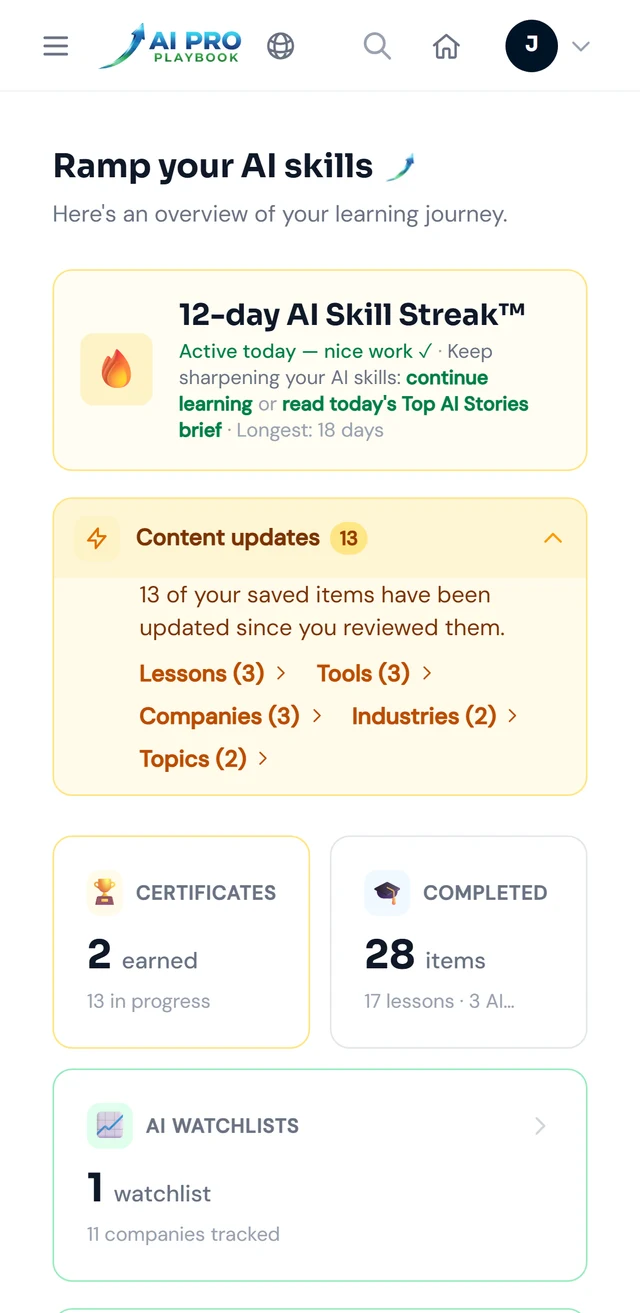
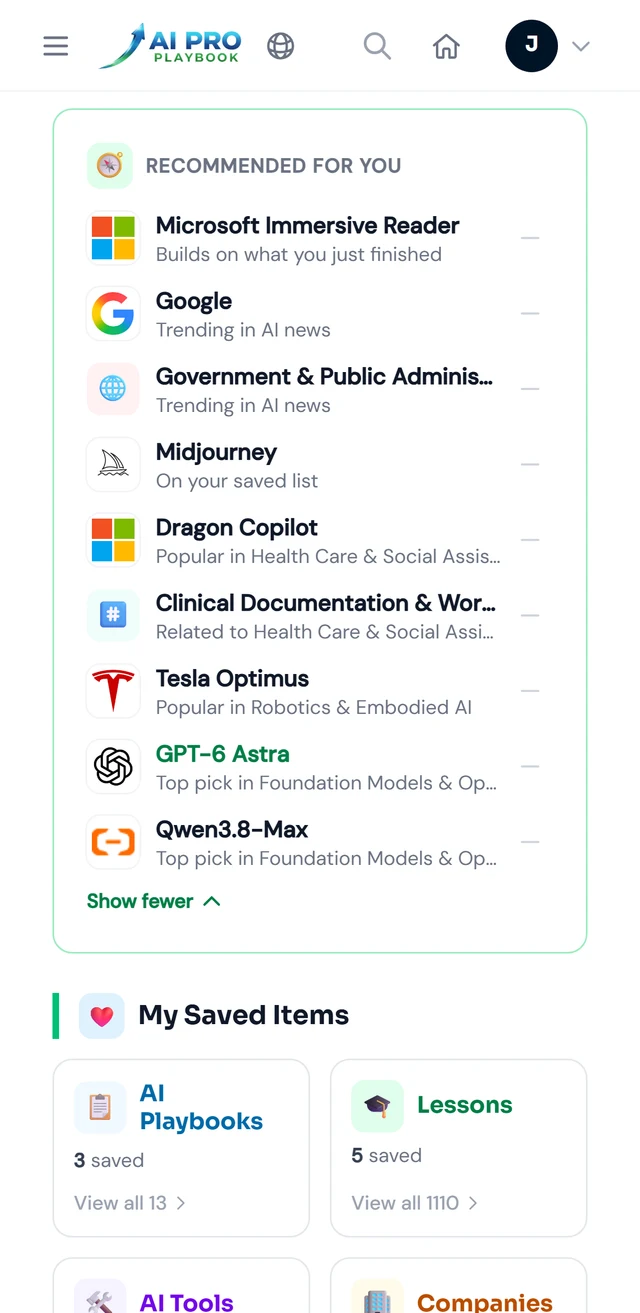
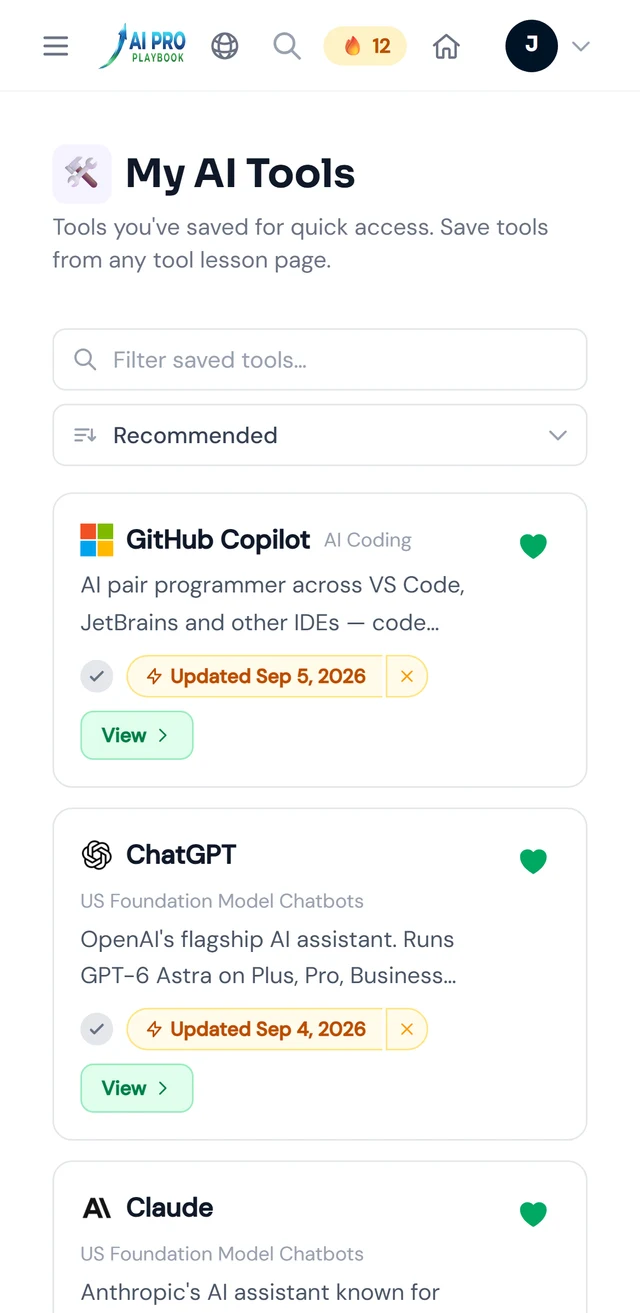
Swipe for Recommended for you and My AI Tools
Your AI Hub — sample data. See desktop view example
🛠️Top AI Tools in This Industry


Generative-design platform for real-estate developers and architects — auto-generates building configurations optimized for FAR, parking ratios, and unit mix.
 ChatGPT
OpenAI's flagship AI assistant. Runs GPT-6 Astra on Plus, Pro, Business and Enterprise since September 3, 2026, with GPT-5.6 Luna still the free default and unlimited free text chats. Includes GPT Image 2, full-duplex voice, Deep Research, ChatGPT Health, Sites for building and hosting web apps, and an auto-enrolled restricted mode for under-18s.
 Claude
Anthropic's AI assistant known for long-context reasoning, coding, and following nuanced instructions, with a 1 million token context window. Offers the current Claude lineup from the economical Opus tier up to the Fable flagship. Strong safety and helpfulness balance.