📘Overview
Updated June 24, 2026Backend and API development is the engineering behind everything users do not see — the servers, databases, authentication, business logic, and application programming interfaces that store data and make an application actually work. Backend engineers design how information flows and is secured, write the services that power web and mobile front ends, and keep systems fast and reliable as they scale. The work spans many languages and frameworks but always centers on data models, correctness, and performance.
💡The AI Opportunity
Much of backend development is well-structured and repetitive — defining an endpoint, validating input, writing a query, handling errors, adding tests — which is exactly where AI excels. Modern assistants can scaffold a whole API from a description of the data, generate the database schema and queries, and write the accompanying tests, letting engineers move straight to the parts that require real judgment: how to model the domain and how to keep it secure under load.
🤖AI in Action
Cursor, Claude Code, GitHub Copilot, and Windsurf generate endpoints, queries, and tests directly from a description of the data and behavior, and increasingly reason about a whole codebase rather than a single file. The Supabase MCP Server lets an AI assistant inspect and operate a real database safely, so schema changes and queries can be driven in natural language. Claude and ChatGPT round it out as everyday aids for designing data models, debugging production issues, and reasoning about trade-offs between approaches.
📊Impact on Jobs
AI is moving backend engineers up the stack from implementation toward design. Writing a standard endpoint or a migration is no longer where the time goes; the time goes to deciding how the system should be shaped and verifying that the generated code is correct and secure. That raises the premium on data modeling, security thinking, and system design, while shrinking the routine plumbing that once filled a junior engineer's week. Correctness and security cannot be delegated to a model that confidently produces plausible-but-wrong code, so human review of backend logic is becoming the core skill rather than the chore — and the engineers who can both direct the tools and catch their mistakes are the most valuable.
Keep track of the topics you follow
- Save the topics you follow
- Get ⚡ alerts when their tools and companies change
- Curated tools for this topic, from 900+ AI tool profiles
- Today’s top AI Stories — the day’s most important AI news, free
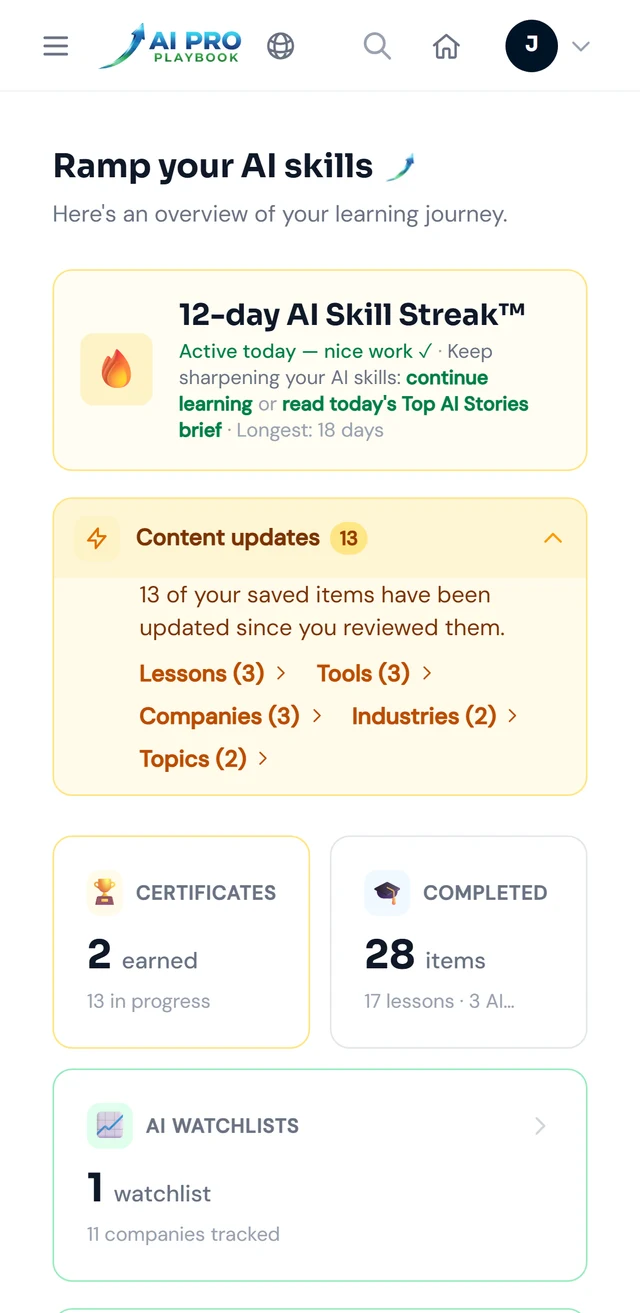
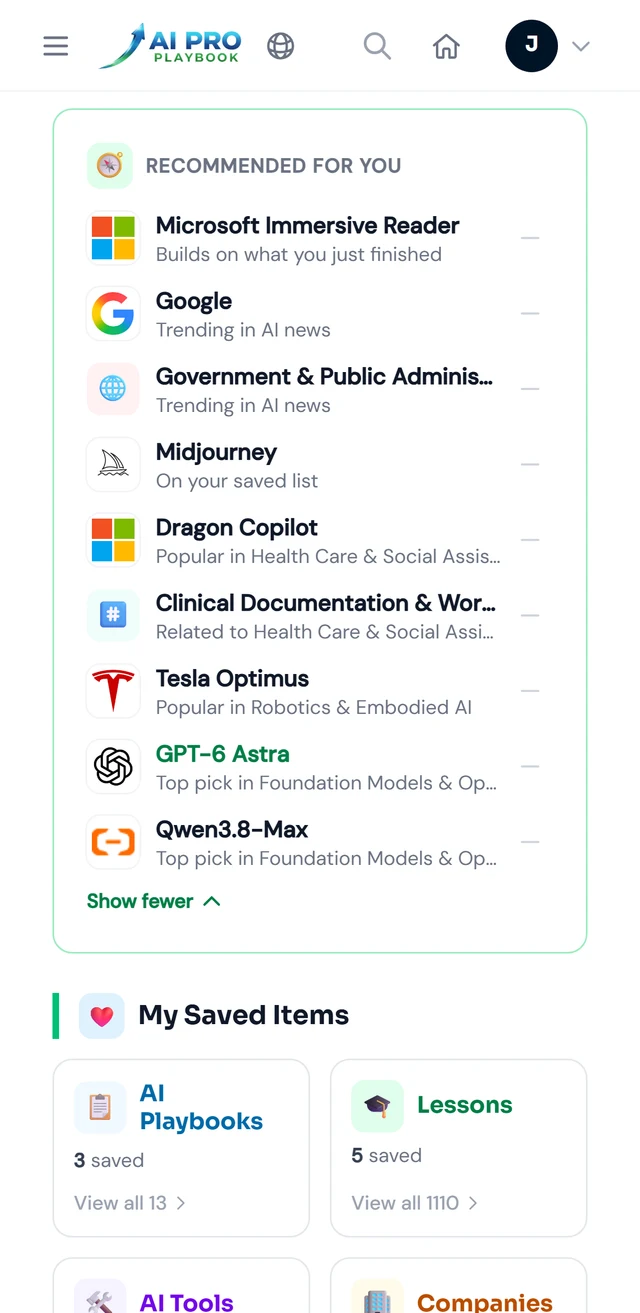
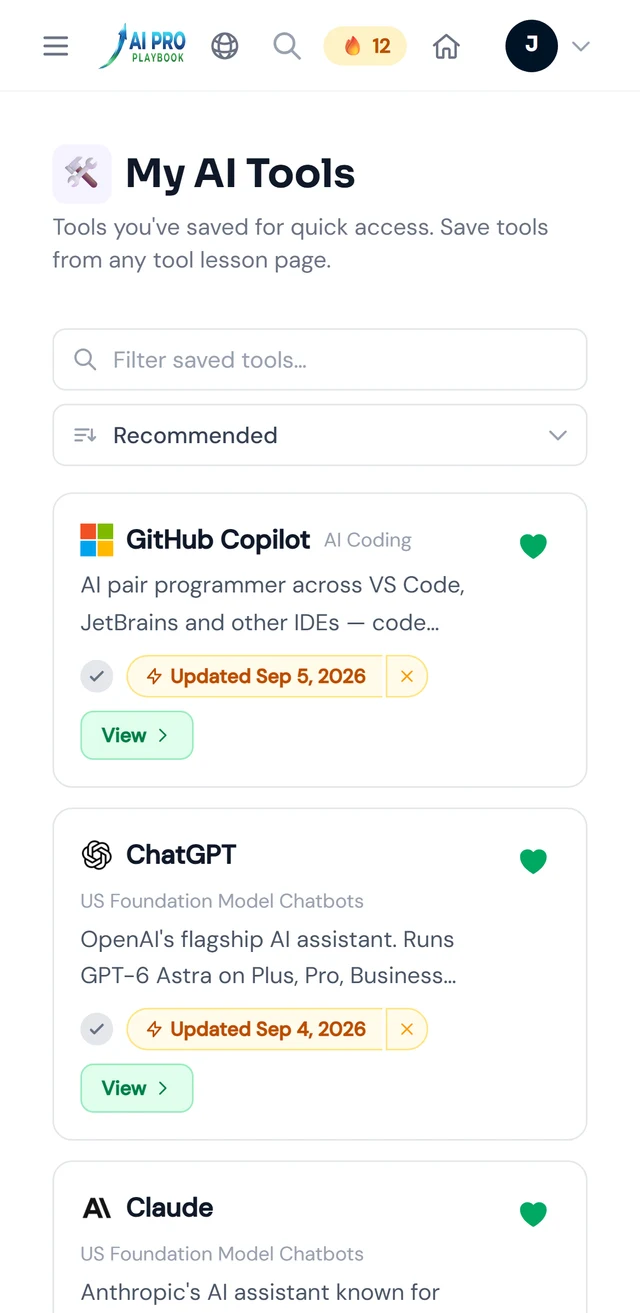
Swipe for Recommended for you and My AI Tools
Your AI Hub — sample data. See desktop view example
🛠️Top AI Tools for This Topic
 Cursor
AI-native code editor with Composer for agentic multi-file coding, embedded browser testing, and custom AI models. $2 billion+ ARR, 1 million+ daily active users, used by over half the Fortune 500. SpaceX closed its $60 billion acquisition of Cursor in August 2026; OpenAI is winding down model access from November 12, 2026, leaving Claude, Gemini and Cursor's own Composer line.
 Claude Code
Anthropic's autonomous coding agent — multi-step coding, debugging, git and MCP tool use in the terminal or in cloud sessions, where redesigned projects split one goal into parallel threads. Runs on Anthropic's Claude Fable, Opus and Sonnet models.

 Windsurf
AI-native IDE with Cascade for agentic multi-file editing. Generous free tier with AI autocomplete, chat, and coding assistance. Major competitor to Cursor. Supports VS Code and JetBrains.
 Supabase MCP Server
Supabase's official Model Context Protocol (MCP) server connects AI coding agents — Cursor, Claude, Windsurf, GitHub Copilot, and Cline — directly to a Supabase backend. It exposes more than 20 tools for querying the database, managing schemas and migrations, deploying edge functions, handling storage, and reading debug logs, all in natural language. The hosted server at mcp.supabase.com uses OAuth 2.1, so there are no API keys to manage.
ClaudeAnthropic's AI assistant known for long-context reasoning, coding, and following nuanced instructions, with a 1 million token context window. Offers the current Claude lineup from the economical Opus tier up to the Fable flagship. Strong safety and helpfulness balance.
 ChatGPT
OpenAI's flagship AI assistant. Runs GPT-6 Astra on Plus, Pro, Business and Enterprise since September 3, 2026, with GPT-5.6 Luna still the free default and unlimited free text chats. Includes GPT Image 2, full-duplex voice, Deep Research, ChatGPT Health, Sites for building and hosting web apps, and an auto-enrolled restricted mode for under-18s.