📘Overview
Updated June 24, 2026Front-end and web development is the craft of building the part of software people actually see and touch — the layouts, components, interactions, and styling that turn a design into a working interface in the browser or a mobile app. Front-end engineers work in HTML, CSS, and JavaScript frameworks like React, sitting at the meeting point of design, product, and engineering as they translate mockups into responsive, accessible, performant experiences.
💡The AI Opportunity
Front-end work is unusually well-suited to AI because so much of it is pattern-heavy boilerplate — wiring up a form, matching a design system, making a layout work across screen sizes. Generative tools can now take a screenshot, a design file, or a single sentence and return a styled, functional component, which collapses the slowest part of the job: getting from a blank file to a first working version.
🤖AI in Action
Cursor and GitHub Copilot autocomplete and refactor front-end code inside the editor, while Bolt.new and Lovable generate entire working web apps from a prompt and let you edit them live in the browser. Figma Make turns designs directly into front-end code, closing the long-standing gap between designers and developers. And the horizontal assistants, Claude and ChatGPT, are everyday aids for debugging cryptic CSS, explaining framework behavior, and turning a rough idea into a component.
📊Impact on Jobs
The result is a dramatic compression of the build phase. A landing page or dashboard view that used to take a front-end engineer a day now arrives in an hour, which raises the bar on what one developer can ship and shifts the valued skill from typing markup to judging quality — accessibility, performance, and whether the generated interface actually matches intent. The roles most exposed are the most repetitive: pixel-pushing, slicing static designs, and routine component work. The roles growing are the ones that own the harder ground — design systems, complex state, and the product judgment about what to build at all. Junior front-end work is changing fastest, so newcomers who pair fundamentals with fluency in these tools have the advantage.
Keep track of the topics you follow
- Save the topics you follow
- Get ⚡ alerts when their tools and companies change
- Curated tools for this topic, from 900+ AI tool profiles
- Today’s top AI Stories — the day’s most important AI news, free
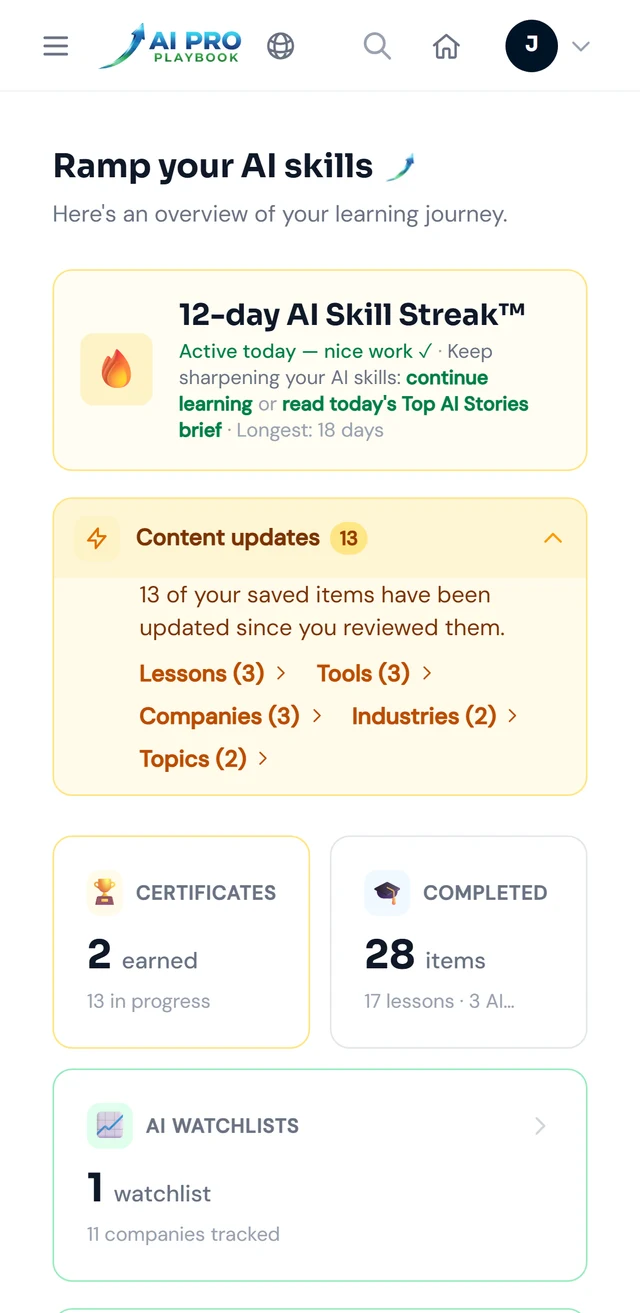
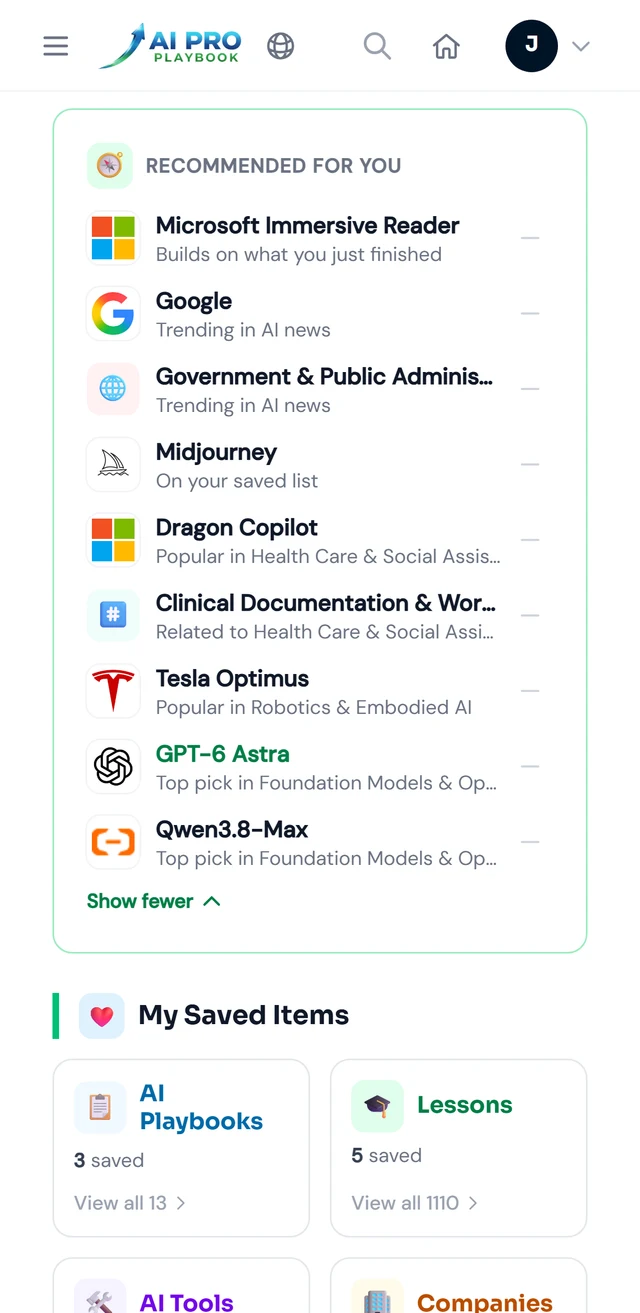
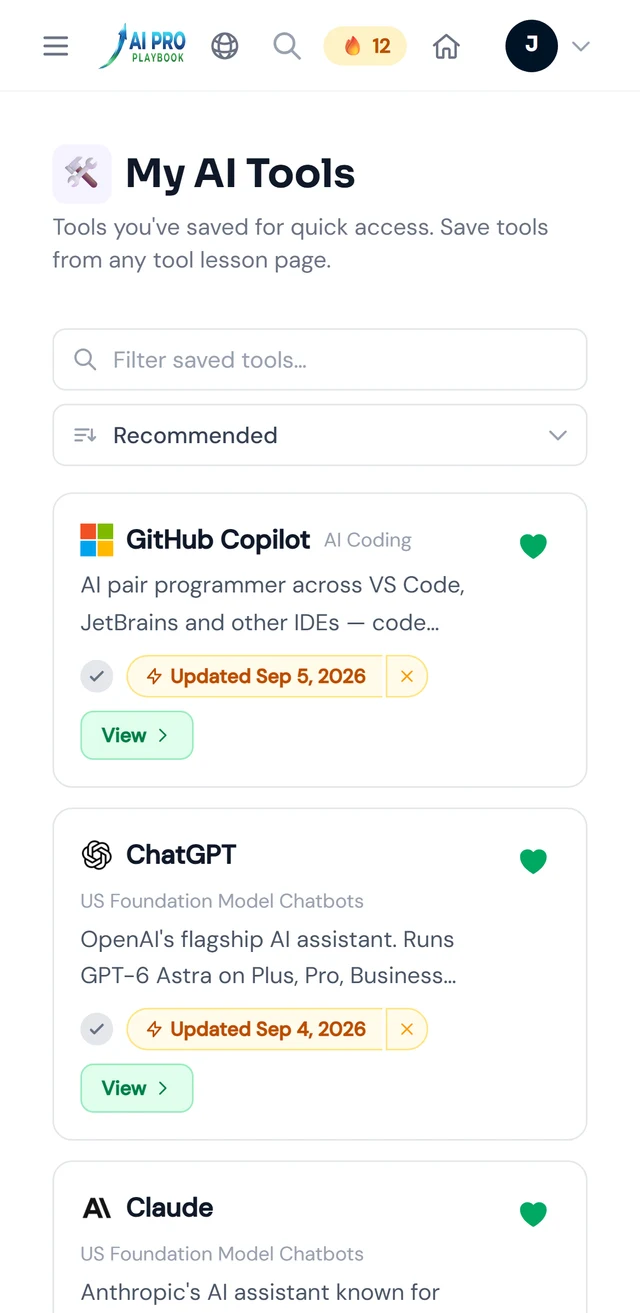
Swipe for Recommended for you and My AI Tools
Your AI Hub — sample data. See desktop view example
🛠️Top AI Tools for This Topic
 Cursor
AI-native code editor with Composer for agentic multi-file coding, embedded browser testing, and custom AI models. $2 billion+ ARR, 1 million+ daily active users, used by over half the Fortune 500. SpaceX closed its $60 billion acquisition of Cursor in August 2026; OpenAI is winding down model access from November 12, 2026, leaving Claude, Gemini and Cursor's own Composer line.
 v0
v0Vercel's AI UI generation tool. Generates React components and full pages from natural language prompts using shadcn/ui and Tailwind CSS. Paste screenshots to reproduce designs.
 Bolt.new
AI web app builder by StackBlitz. Generates full-stack applications from natural language using WebContainers (Node.js in the browser), with built-in databases, hosting and one-click deploy. Bills in tokens and routes model selection automatically.

 Lovable
AI web app builder (formerly GPT Engineer). Generates production-ready full-stack applications from natural language. Focuses on design quality and instant deployment.

 Claude
Anthropic's AI assistant known for long-context reasoning, coding, and following nuanced instructions, with a 1 million token context window. Offers the current Claude lineup from the economical Opus tier up to the Fable flagship. Strong safety and helpfulness balance.
 ChatGPT
OpenAI's flagship AI assistant. Runs GPT-6 Astra on Plus, Pro, Business and Enterprise since September 3, 2026, with GPT-5.6 Luna still the free default and unlimited free text chats. Includes GPT Image 2, full-duplex voice, Deep Research, ChatGPT Health, Sites for building and hosting web apps, and an auto-enrolled restricted mode for under-18s.