📘Overview
Updated June 25, 2026Security operations is the front line of cyber defense — the security operations center, or SOC, where analysts monitor for attacks, investigate alerts, and respond to incidents around the clock. The defining problem has always been scale and noise: modern systems generate millions of security alerts, the vast majority false, and human analysts cannot possibly review them all. That signal-in-the-noise problem is exactly what AI solves.
💡The AI Opportunity
AI now triages and correlates alerts at machine speed, distinguishes real attacks from benign anomalies, and surfaces the incidents that actually matter to human analysts. Newer AI assistants act as a natural-language partner in the SOC — investigating an alert, summarizing what happened, and recommending a response in plain English. The work shifts from drowning in alerts toward investigating AI-prioritized threats and making the judgment calls on response.
🤖AI in Action
Charlotte AI (CrowdStrike) and Purple AI (SentinelOne) act as AI analysts inside the SOC, investigating alerts and answering questions in natural language. Cortex XSIAM (Palo Alto) applies AI across security operations to automate detection and response, and Darktrace uses self-learning AI to spot anomalies that signature-based tools miss. The assistants Claude and ChatGPT help analysts with threat research, scripting, and reporting.
📊Impact on Jobs
AI is transforming the SOC from a place of alert fatigue into one where machines handle the triage and humans handle the judgment — a genuine improvement for a field plagued by burnout and chronic understaffing. The most exposed work is tier-one alert review, the repetitive first-line triage; the roles that grow are threat hunting, incident response, and the oversight of increasingly autonomous defenses. The catch is that response decisions carry real risk — an automated action can disrupt a business as much as an attack — so humans stay in the loop for consequential moves. And the threat is adaptive: attackers use AI too, making security a fast-moving arms race where AI-augmented defenders are increasingly essential just to keep pace.
Keep track of the topics you follow
- Save the topics you follow
- Get ⚡ alerts when their tools and companies change
- Curated tools for this topic, from 900+ AI tool profiles
- Today’s top AI Stories — the day’s most important AI news, free
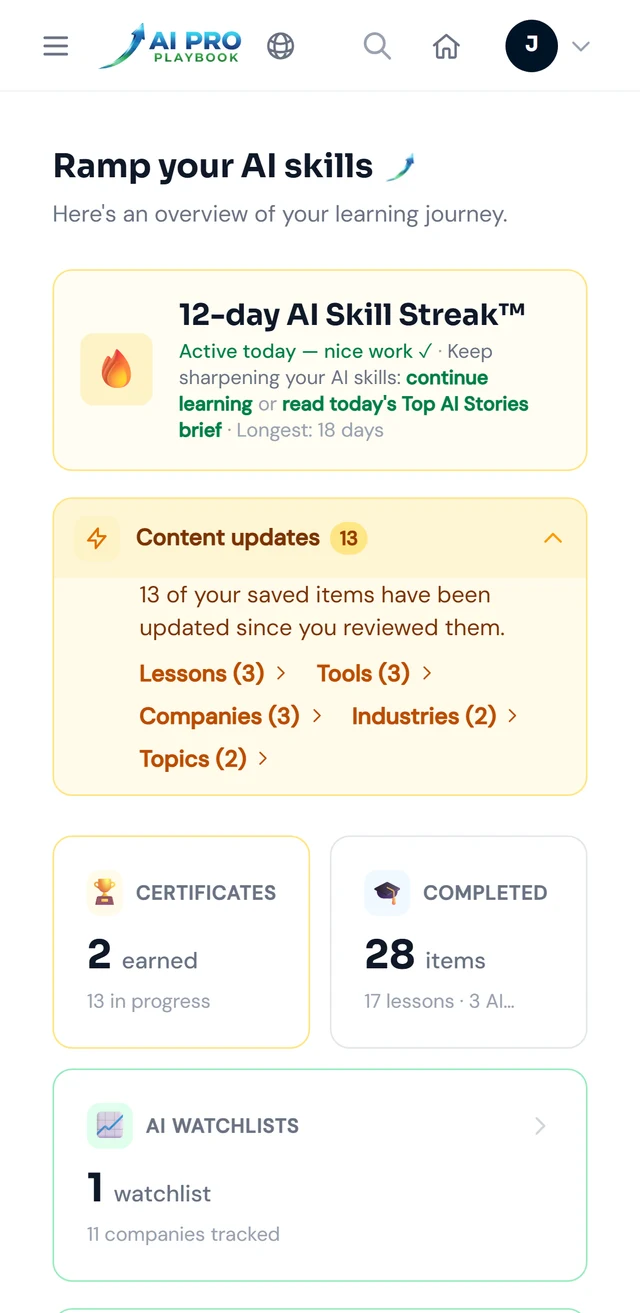
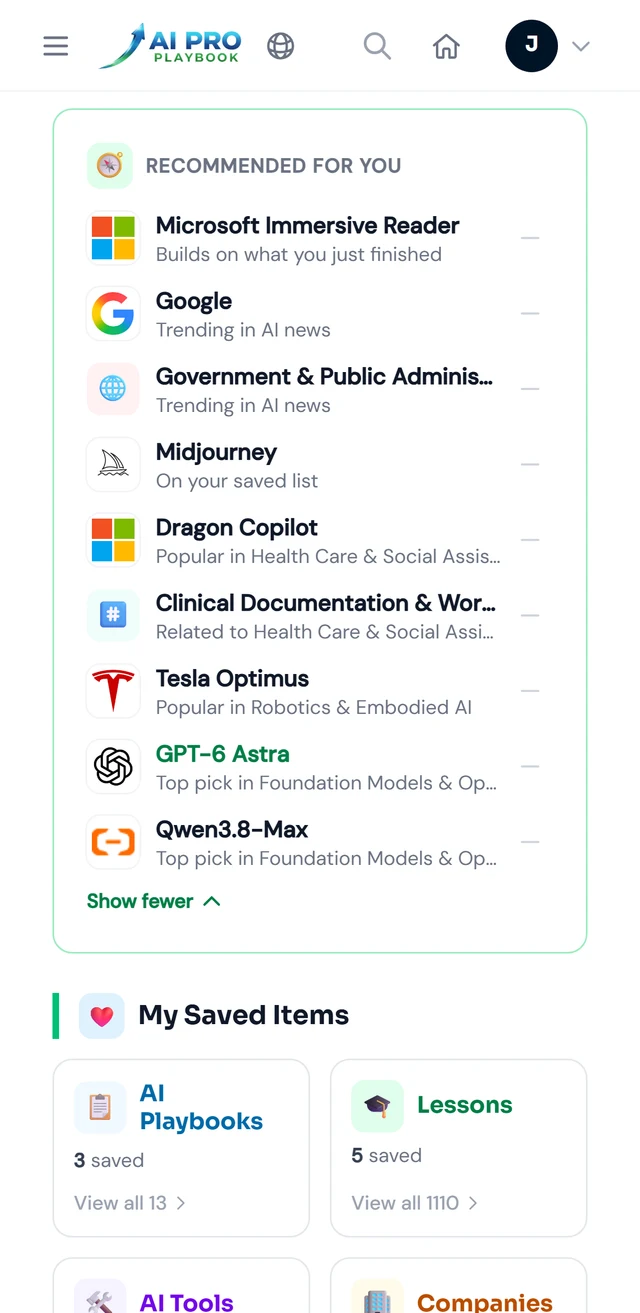
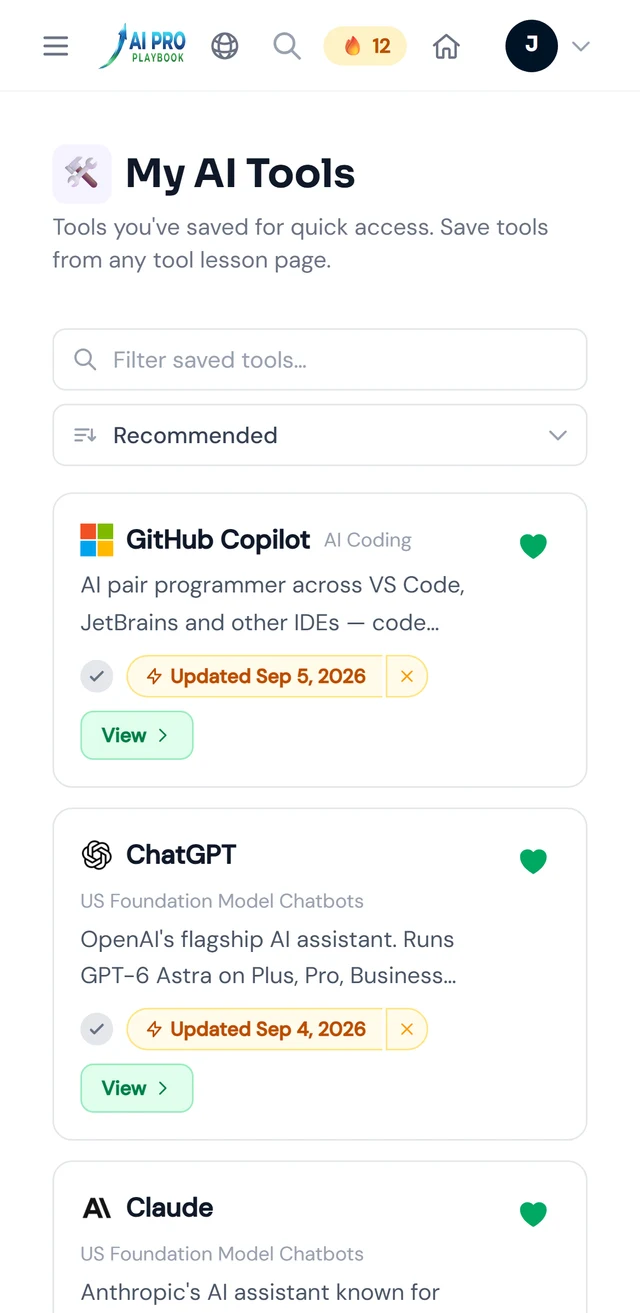
Swipe for Recommended for you and My AI Tools
Your AI Hub — sample data. See desktop view example
🛠️Top AI Tools for This Topic




 Darktrace
Self-learning AI platform that models normal behavior across enterprise environments and autonomously neutralizes novel cyber threats in real time without predefined rules.
 Claude
Anthropic's AI assistant known for long-context reasoning, coding, and following nuanced instructions, with a 1 million token context window. Offers the current Claude lineup from the economical Opus tier up to the Fable flagship. Strong safety and helpfulness balance.
 ChatGPT
OpenAI's flagship AI assistant. Runs GPT-6 Astra on Plus, Pro, Business and Enterprise since September 3, 2026, with GPT-5.6 Luna still the free default and unlimited free text chats. Includes GPT Image 2, full-duplex voice, Deep Research, ChatGPT Health, Sites for building and hosting web apps, and an auto-enrolled restricted mode for under-18s.