🏭Industry Overview
Updated May 16, 2026Motion Picture and Video Industries (NAICS 5121) covers feature-film production, television production, streaming-service original production, post-production, distribution, and exhibition. The major Hollywood studios include Walt Disney Studios, Warner Bros. Discovery, Universal Pictures (NBCUniversal/Comcast), Paramount Global, Sony Pictures Entertainment, and the rapidly-expanded streaming-native studios (Netflix Studios, Amazon MGM Studios, Apple Studios). Mid-sized players include Lionsgate, A24, Searchlight, MGM (Amazon), Annapurna, Neon, and the surviving independent producers. Combined US film and television revenue exceeds $100 billion annually, with streaming services collectively spending over $50 billion annually on original content as of 2025. The 2023 Writers Guild of America (WGA) and SAG-AFTRA strikes were dominated by AI concerns, and the resulting collective-bargaining agreements include some of the most extensive AI-protection clauses in any major US labor contract. Production-cost growth has been a major challenge across the industry.
🤖AI in Action
AI is reshaping every stage of the film and television production process. Pre-production: generative tools (Midjourney, DALL-E, Sora, Veo 3, Runway) accelerate concept art, mood boards, and pre-visualization. Production planning uses AI for budget forecasting and shoot-day optimization. VFX has been an AI early-adopter: digital de-aging, environment generation, crowd simulation, and rotoscoping increasingly use AI rather than traditional VFX pipelines (ILM, Weta, MPC, Framestore have all integrated AI tools). Post-production: dubbing and localization (Netflix's AI dubbing initiative, Deepdub, ElevenLabs for voice cloning), automated subtitle generation, and color-grading AI accelerate post timelines. Music scoring is increasingly AI-assisted (Suno, Udio, Sonauto). The most contested areas are AI-generated performances (digital body doubles, voice cloning) and AI-generated final-frame imagery — both heavily restricted under the WGA/SAG-AFTRA contracts but advancing rapidly in independent and short-form production.
The Academy's 99th Oscars Rules (May 2026): On May 1, 2026, the Academy of Motion Picture Arts and Sciences approved new eligibility rules for the 99th Academy Awards (March 2027) that disqualify AI-generated performances and AI-written screenplays from acting and writing categories. Acting nominations now require performances "demonstrably performed by humans with their consent," and screenplays must be human-authored. The Academy reserved the right to demand details on AI usage in any submitted film. The rules were prompted by industry tension after the Val Kilmer deepfake project (As Deep as the Grave) and the AI "actress" Tilly Norwood — both of which surfaced ambiguity in the WGA/SAG-AFTRA framework about AI-generated final-frame imagery. The Academy's ruling is one of the most prominent industry-level AI eligibility standards yet, and complements the legal floor already set by the 2023 strikes. The same May 2026 rule package also widened international-feature eligibility via major festival wins (Cannes, Berlin, Venice, Sundance, Toronto, Busan).
📊Impact on Jobs
The 2023 strikes set the regulatory framework: AI-generated material cannot be considered "literary material" under WGA contracts, and SAG-AFTRA performers have explicit consent rights over AI replicas of their likeness and voice. Within those guardrails, AI is changing role mixes throughout the industry. VFX studios are reducing junior-artist headcount as generative tools accelerate routine work. Pre-visualization, storyboarding, and animatic roles are heavily AI-augmented. Writers and directors are using AI tools selectively for research, ideation, and scene-blocking — though contract restrictions keep AI out of the creative-credit chain. Post-production sound, dubbing, and translation roles are seeing the steepest disruption. New roles are emerging: AI-pipeline supervisors, AI-rights coordinators (managing performer-likeness consent), and dataset-licensing specialists. Independent and YouTube-creator production has adopted AI faster than studios; the gap between professional and creator production is narrowing.
The Academy's May 2026 99th Oscars rules (AI-generated actors and AI-written scripts ineligible for acting and writing categories) extended the regulatory floor previously set by the 2023 WGA/SAG-AFTRA strike contracts. Together, the contract-level and Academy-level rules now form the most comprehensive industry consensus on AI eligibility in any major creative field — and they directly shape role mixes: AI-augmented work remains permissible (and is expanding) for VFX, dubbing, scoring, pre-visualization, and dataset-licensing, but AI-generated final performances and screenplays are now ineligible for the industry's top recognition. New roles around AI-rights coordination and AI-pipeline supervision continue to grow.
Keep track of AI in your sector
- Save the sectors you follow
- Get ⚡ alerts when their tools and companies change
- The AI tools that actually ship here, from 900+ AI tool profiles
- Today’s top AI Stories — the day’s most important AI news, free
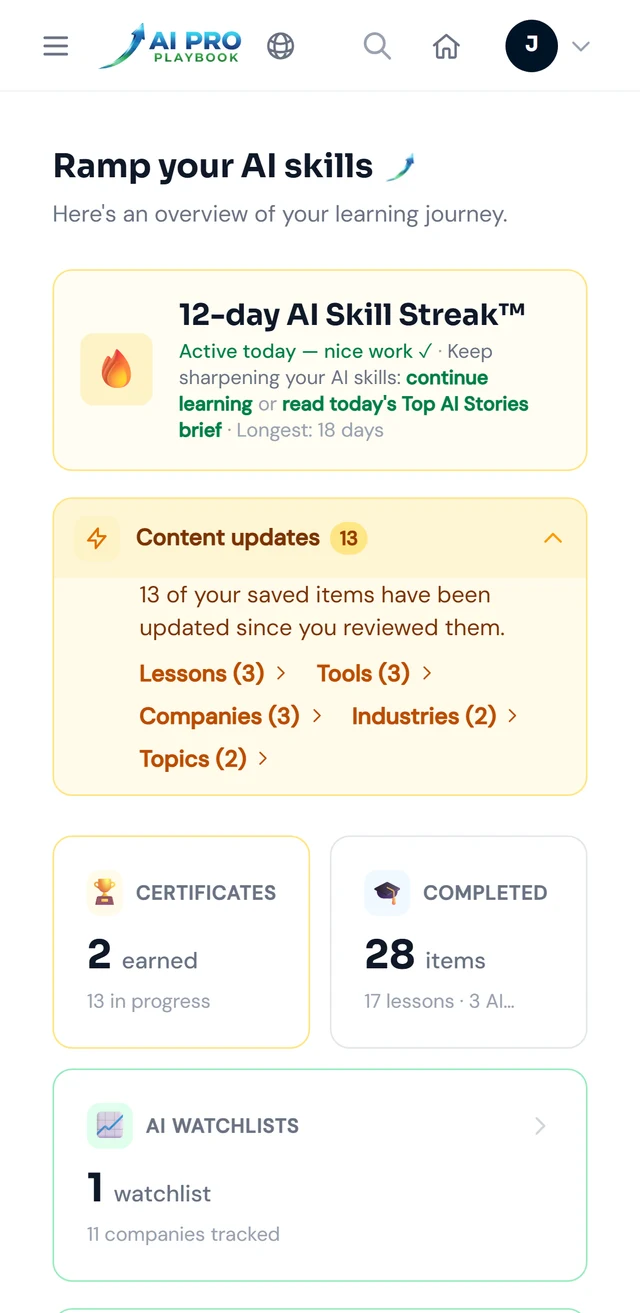
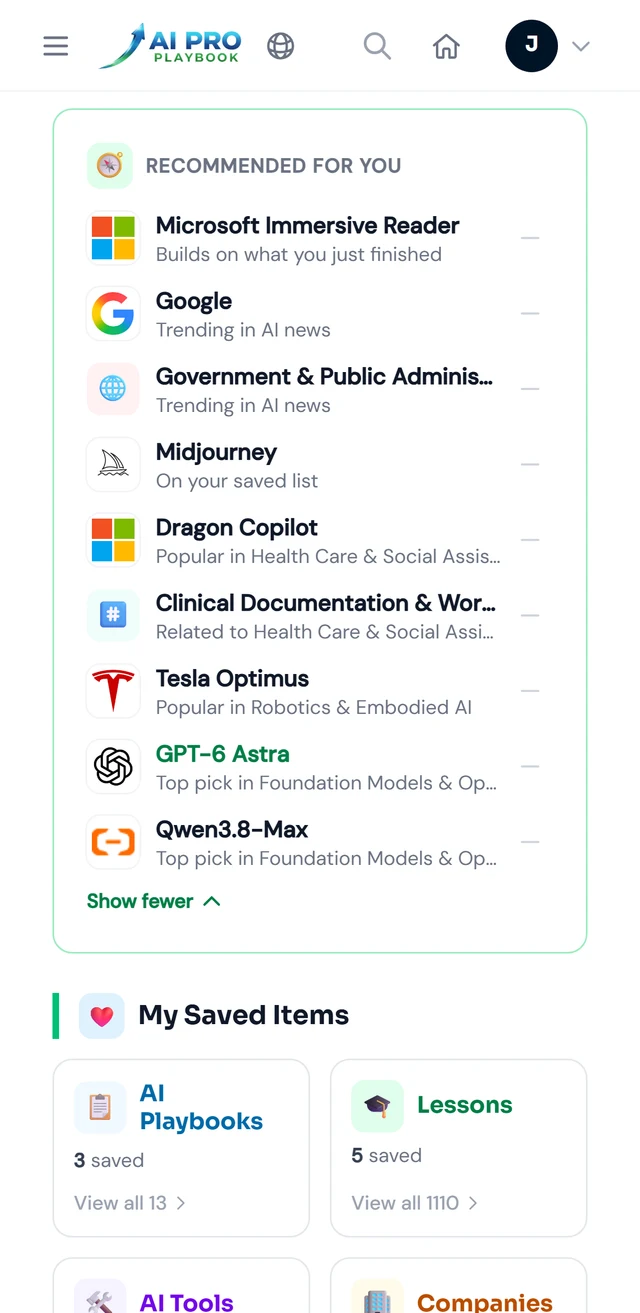
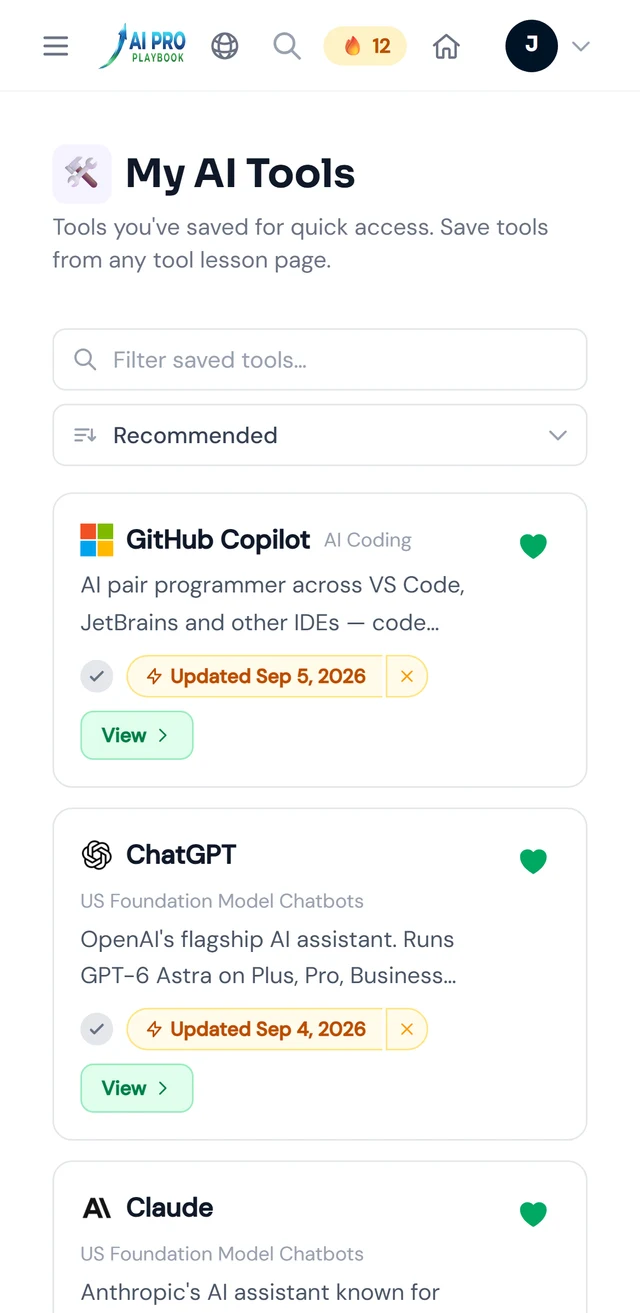
Swipe for Recommended for you and My AI Tools
Your AI Hub — sample data. See desktop view example
🛠️Top AI Tools in This Industry
 Runway ML
Professional AI video creation platform used by major studios. Flagship Gen-4.5 (December 2025) tops independent text-to-video rankings, alongside Gen-4 Turbo for fast iteration, Aleph for in-context editing of real footage, and Act-Two for performance capture.
 Sora
SoraDiscontinued March 2026. Was OpenAI's text-to-video model with cinematic quality output, storyboarding, remix, and synchronized audio. iOS app, API, and sora.com all shutting down.


 Pika Labs
Fast AI video generation with strong motion consistency. Supports text-to-video and image-to-video with various aspect ratios and style controls.
 HeyGen
AI video generation platform specializing in talking avatar videos. Upload a photo, add a script, and generate a professional spokesperson video in minutes.
 Synthesia
Enterprise-grade AI video platform with 230+ AI avatars in 140+ languages. Used by 50,000+ companies for training videos, product demos, and communications.
 Descript
AI-powered video and podcast editing platform. Edit video like a doc, remove filler words, clone your voice, and create AI overdub replacements.
 MiniMax H3
A 33-billion-parameter video model that generates picture and synchronized 32 kilohertz stereo audio together, with published weights. Its licence bars weights use in the US, EU, UK and South Korea; the hosted API is unrestricted.