🏭Industry Overview
Updated May 16, 2026Outpatient practitioner offices — dentists, optometrists, chiropractors, podiatrists, physical therapists, occupational therapists, mental-health counselors, and audiologists — collectively employ over 1.3 million practitioners and generate roughly $200 billion annually. Practices are typically small (1-10 practitioners) and operate on tight margins. Operational pain points are similar across specialties: insurance verification, scheduling, documentation, and revenue-cycle management. Specialty-specific AI applications (dental imaging, mental-health screening) are emerging rapidly.
🤖AI in Action
In dentistry, Pearl, VideaHealth, and Overjet apply computer vision to bite-wing X-rays for caries and periodontal-disease detection — adopted by over 90% of major dental service organizations. Optometry uses AI for diabetic retinopathy screening (IDx-DR was the first FDA-approved autonomous AI diagnostic in 2018; competitors Eyenuk and Topcon have followed). Mental-health platforms — Wysa, Woebot, Talkiatry — combine AI screening with human therapist routing. Practice-management tools (DrChrono, Kareo) embed AI for scheduling and revenue-cycle automation.
📊Impact on Jobs
Diagnostic imaging review (dental X-rays, retinal scans, ultrasound) is being augmented at scale, raising the floor of diagnostic accuracy across small practices. Documentation and billing roles face automation. Mental-health practitioners adopt AI-assisted note-taking and treatment-progress tracking. New roles: practice AI administrator, patient-engagement automation specialist. Specialty practices that were too small to afford dedicated IT support are gaining enterprise-grade AI tooling at SaaS price points.
Keep track of AI in your sector
- Save the sectors you follow
- Get ⚡ alerts when their tools and companies change
- The AI tools that actually ship here, from 900+ AI tool profiles
- Today’s top AI Stories — the day’s most important AI news, free
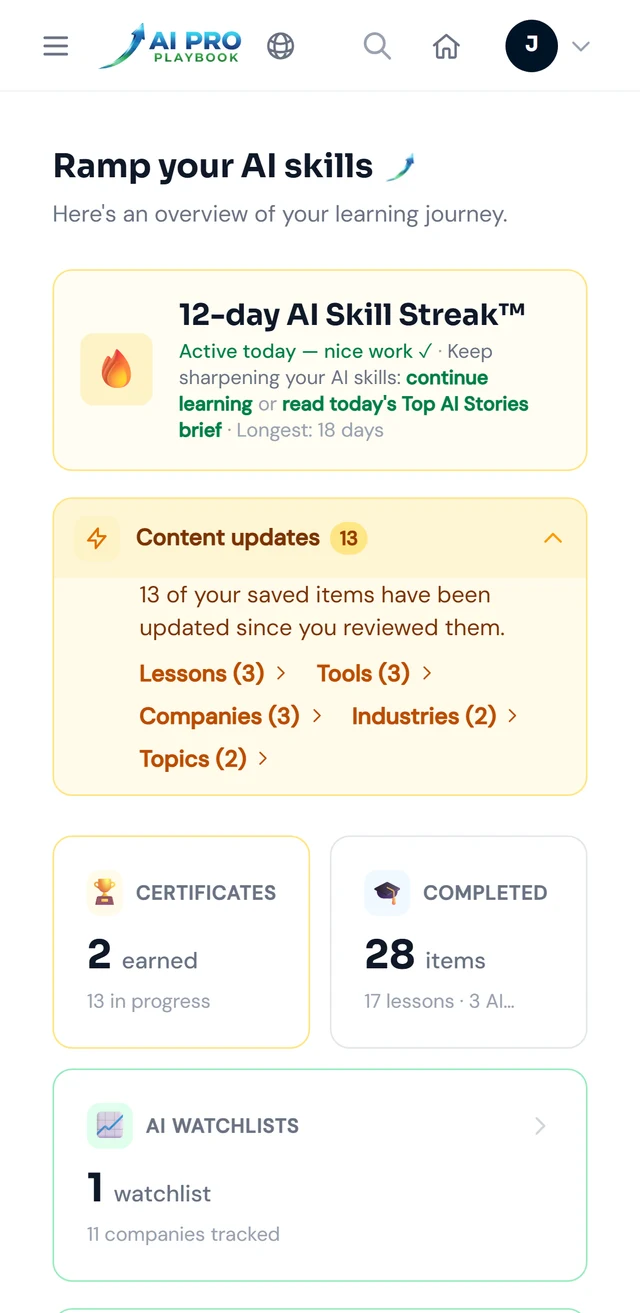
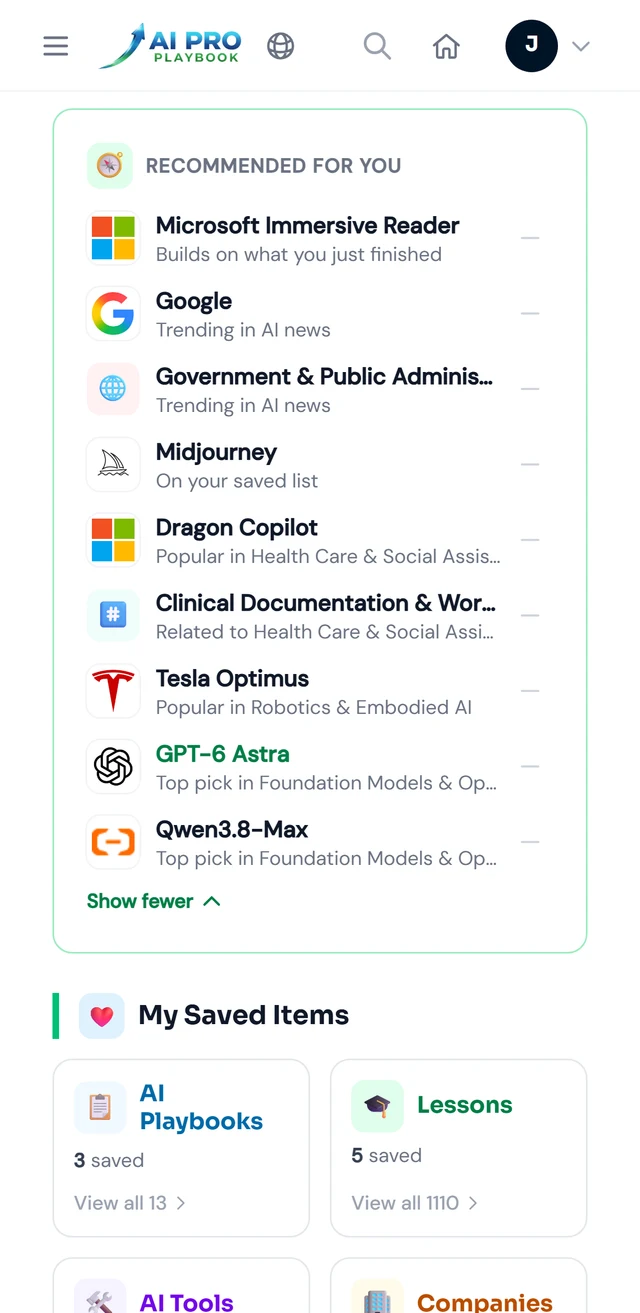
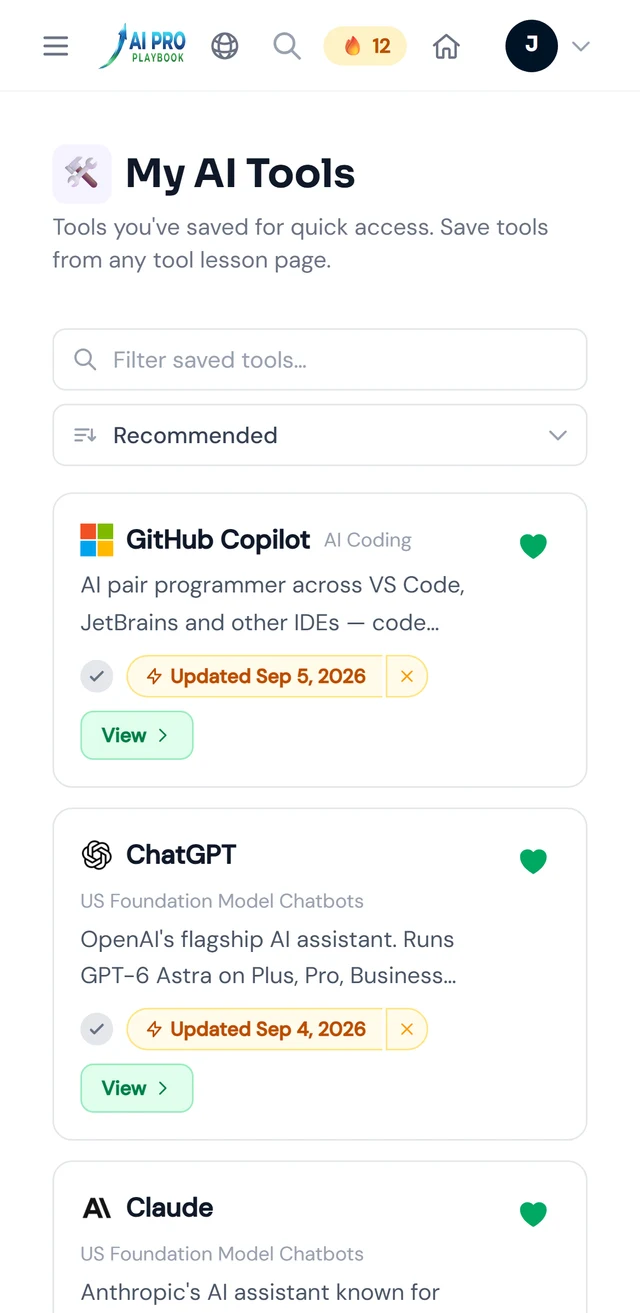
Swipe for Recommended for you and My AI Tools
Your AI Hub — sample data. See desktop view example
🛠️Top AI Tools in This Industry
FDA-cleared AI for dental radiograph analysis — detects caries, periapical lesions, and bone loss to support dentist diagnoses.
FDA-cleared dental AI for radiograph interpretation and patient communication — used by dental service organizations and insurers.
 Wysa
WysaConversational AI for mental-health support — clinically validated CBT-based chat assistant used by employers, health plans, and therapy services.

Microsoft clinical AI assistant (formerly Nuance DAX) that listens to patient-physician encounters and auto-generates SOAP notes, visit summaries, referral letters, and after-visit instructions. Agentic capabilities handle prior authorizations and medication refills. Deployed at 600+ health systems.
 Aidoc
AidocAI radiology triage platform with 30 FDA-cleared tools. First comprehensive foundation model AI triage detecting 14 critical findings from a single abdominal CT with 97% sensitivity.
 ChatGPT
OpenAI's flagship AI assistant. Runs GPT-6 Astra on Plus, Pro, Business and Enterprise since September 3, 2026, with GPT-5.6 Luna still the free default and unlimited free text chats. Includes GPT Image 2, full-duplex voice, Deep Research, ChatGPT Health, Sites for building and hosting web apps, and an auto-enrolled restricted mode for under-18s.
 Claude
Anthropic's AI assistant known for long-context reasoning, coding, and following nuanced instructions, with a 1 million token context window. Offers the current Claude lineup from the economical Opus tier up to the Fable flagship. Strong safety and helpfulness balance.
 Cleerly
AI coronary-CT analysis that quantifies and characterizes arterial plaque (AI-QCT) to assess heart-disease risk; FDA-cleared with a Category I CPT code from January 2026.


 K Health
Clinical-AI virtual care embedding AI clinical agents into health-system EHR workflows — powering in-EHR virtual urgent and primary care with Penn Medicine and Northwell.
 Nabla
NablaAmbient AI medical scribe (a European leader) that generates structured clinical notes from patient encounters and is expanding into agentic clinical workflows.
 Glass Health
Clinician-facing decision support that generates ranked differential diagnoses and evidence-based care plans, plus ambient documentation — used by 100,000-plus US clinicians and trainees.
 Ash by Slingshot AI
Consumer AI therapy chatbot from Slingshot AI, grounded in CBT/DBT/ACT techniques — support, not a replacement for licensed care, in a category whose safety and efficacy are still being validated.