📘Overview
Updated July 22, 2026Building an autonomous vehicle takes far more than a car: it takes simulation to test the driver against endless scenarios, validation tooling to prove it is safe, and increasingly, foundation models for perception. A distinct set of companies supplies that infrastructure rather than operating vehicles — the picks-and-shovels layer of the AV industry.
💡The AI Opportunity
This topic covers the AV development platforms and software suppliers: the dominant simulation-and-validation toolchain, AI-first vision-only autonomy software sold to automakers, and the vision chips and systems that many production driver-assistance features run on.
🤖AI in Action
The AI here spans two forms. Simulation and validation platforms use AI to generate and evaluate the vast scenario space a self-driving system must handle. Software suppliers build the perception and driving models themselves — increasingly vision-only and map-free, trained with generative-simulation foundation models. The honest framing: these are development infrastructure and software suppliers, not fleets you can ride. Their AI is genuine and load-bearing, and their business depends on automakers and AV programs adopting and shipping it.
Keep track of the topics you follow
- Save the topics you follow
- Get ⚡ alerts when their tools and companies change
- Curated tools for this topic, from 900+ AI tool profiles
- Today’s top AI Stories — the day’s most important AI news, free
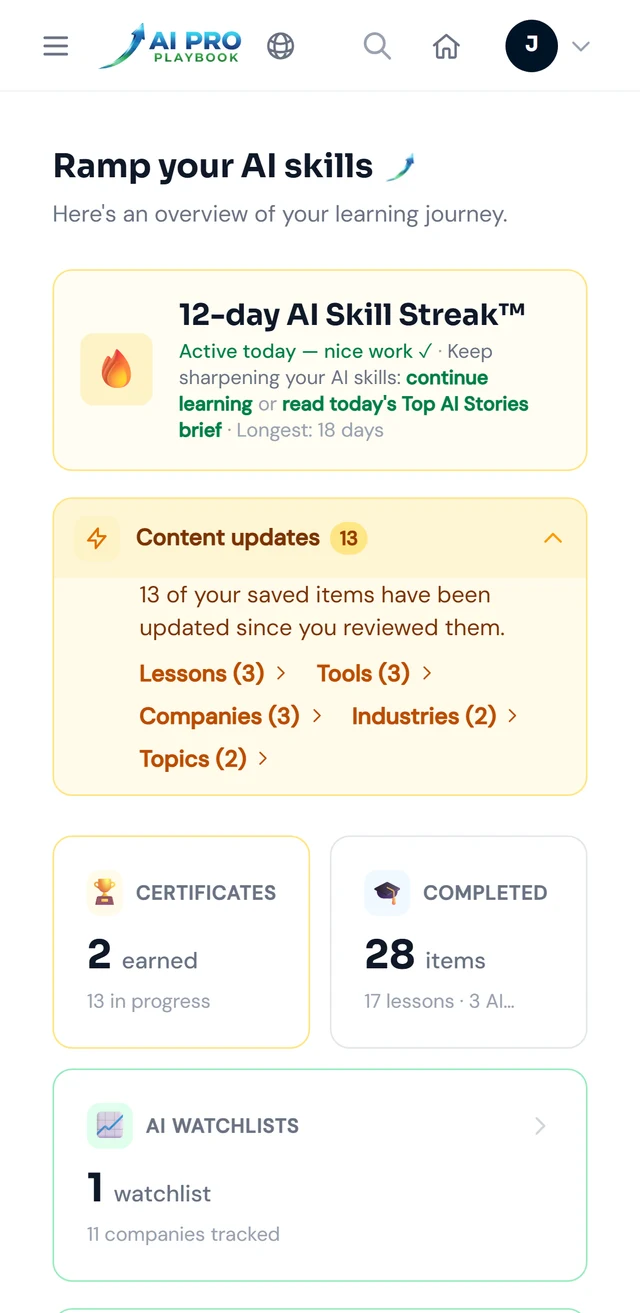
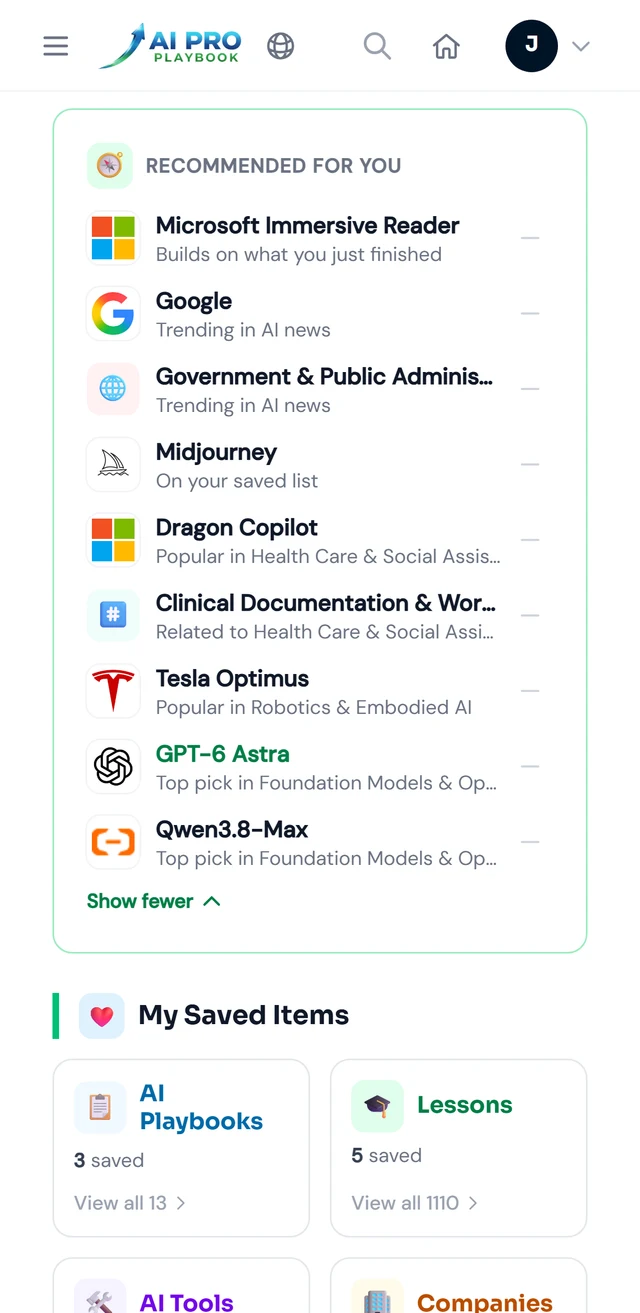
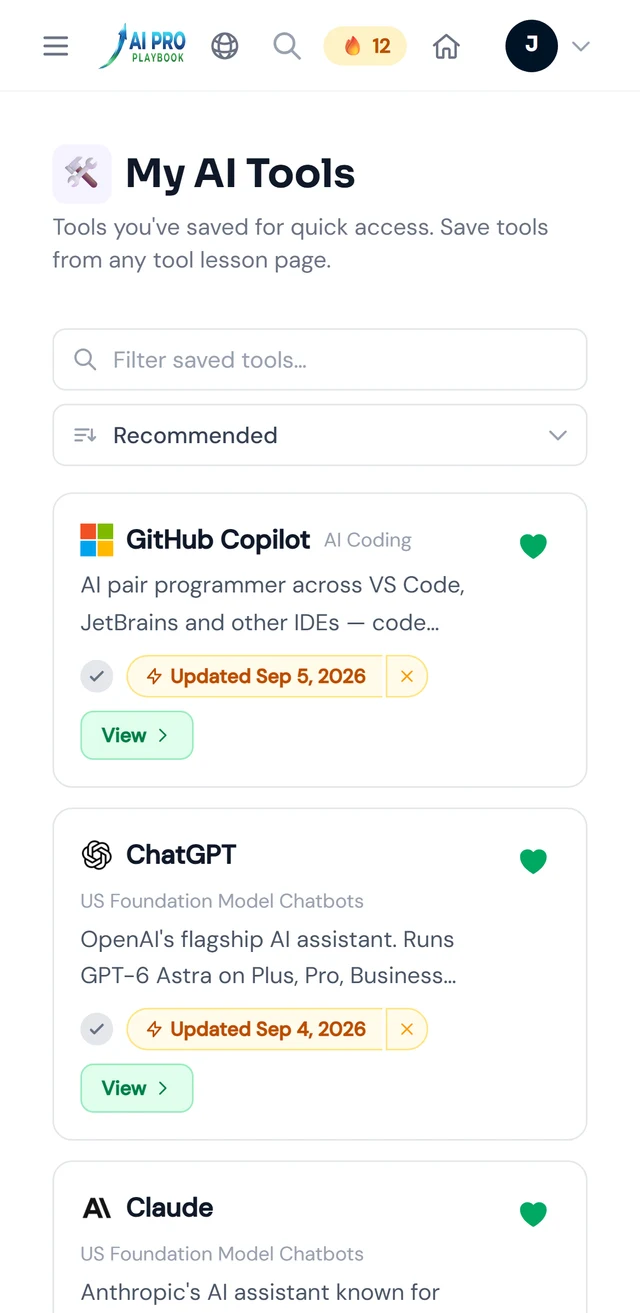
Swipe for Recommended for you and My AI Tools
Your AI Hub — sample data. See desktop view example
🛠️Top AI Tools for This Topic
 Applied Intuition
The dominant AV development, simulation, and validation toolchain ($15B) — the picks-and-shovels platform for building autonomous vehicles.
 Helm.ai
AI-first, vision-only autonomy software (Helm.ai Driver) + generative-simulation foundation models, supplied to automakers.