📘Overview
Updated July 4, 2026Public safety is where AI meets the citizen most directly and most controversially. Departments facing staffing shortages and mountains of unreviewed footage have adopted AI to draft reports, unify siloed data into real-time crime centers, read license plates across whole regions, dispatch drones to emergencies, and flag suspected gunfire. The efficiency case is real — an officer who saves half an hour per report, a dispatcher who gets live aerial video before arriving.
💡The AI Opportunity
But this is the domain where the honest caveats are loudest and best-documented. AI-drafted reports raise evidentiary and disclosure problems when no record shows which words the machine wrote. License-plate networks enable mass, warrantless location tracking and have driven a national backlash. Gunshot-detection accuracy is genuinely disputed. The subjects of these systems are the public, so bias, oversight, transparency, and consent are not side issues — they are the whole debate.
🤖AI in Action
Axon Draft One drafts police reports from body-camera audio, and challenger Abel Police does the same for smaller agencies, while Truleo turns the analysis inward to review officer conduct. Flock Safety runs the largest AI license-plate and camera network, Peregrine fuses department data into real-time crime centers, and SoundThinking, formerly ShotSpotter, detects suspected gunfire acoustically. On the response side, Skydio Drone as First Responder sends autonomous drones to calls, Prepared brings AI to 911 call handling, and Mark43 modernizes the underlying dispatch and records systems.
📊Impact on Jobs
AI can genuinely help stretched agencies respond faster and clear paperwork, but nowhere else in this field is the accountability gap so serious. Report-writing AI touches sworn legal documents; surveillance networks touch everyone's movements; detection systems can send officers to dead-end alerts or over-police specific neighborhoods. The measured view holds both truths: the time savings are real, and so are the documented accuracy, bias, and civil-liberties concerns that have led cities to cancel contracts and states to pass disclosure laws. For learners, this topic is the clearest case study in why capability alone is never the whole question.
Keep track of the topics you follow
- Save the topics you follow
- Get ⚡ alerts when their tools and companies change
- Curated tools for this topic, from 900+ AI tool profiles
- Today’s top AI Stories — the day’s most important AI news, free
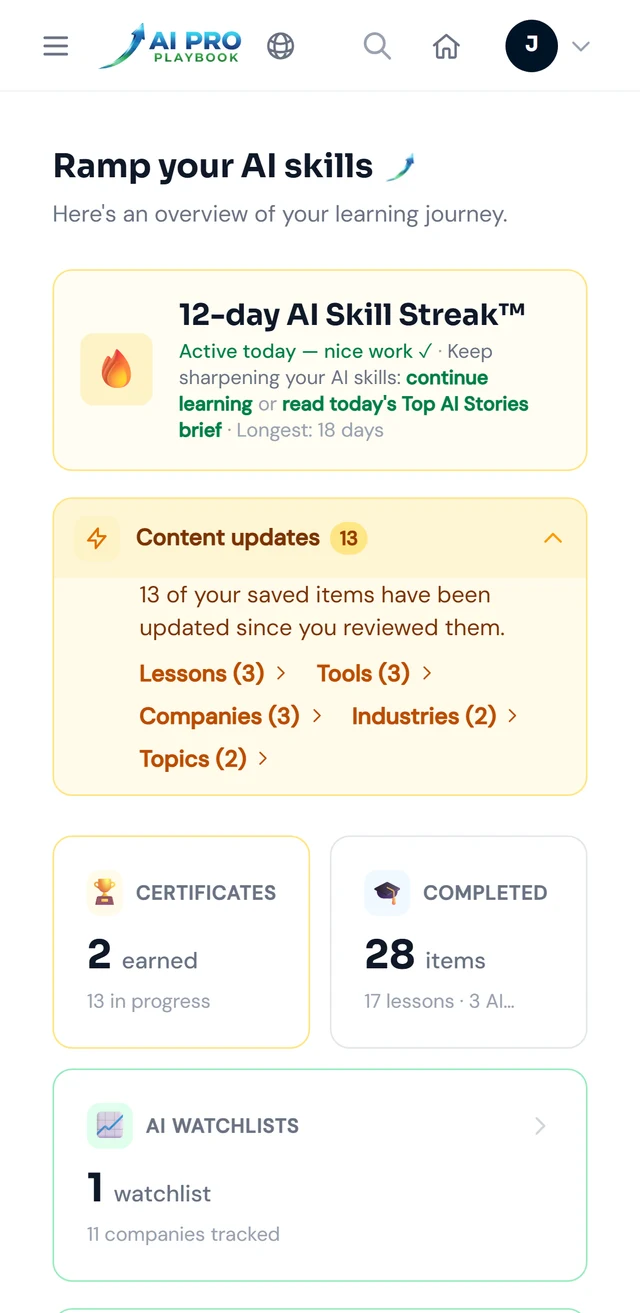
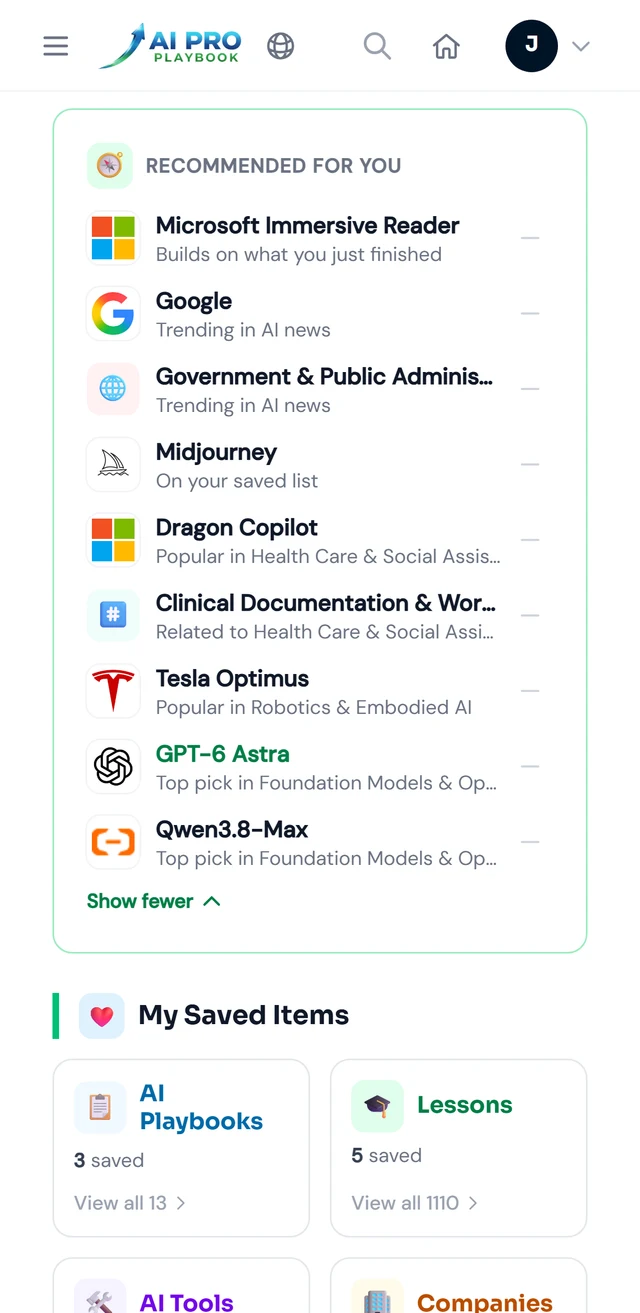
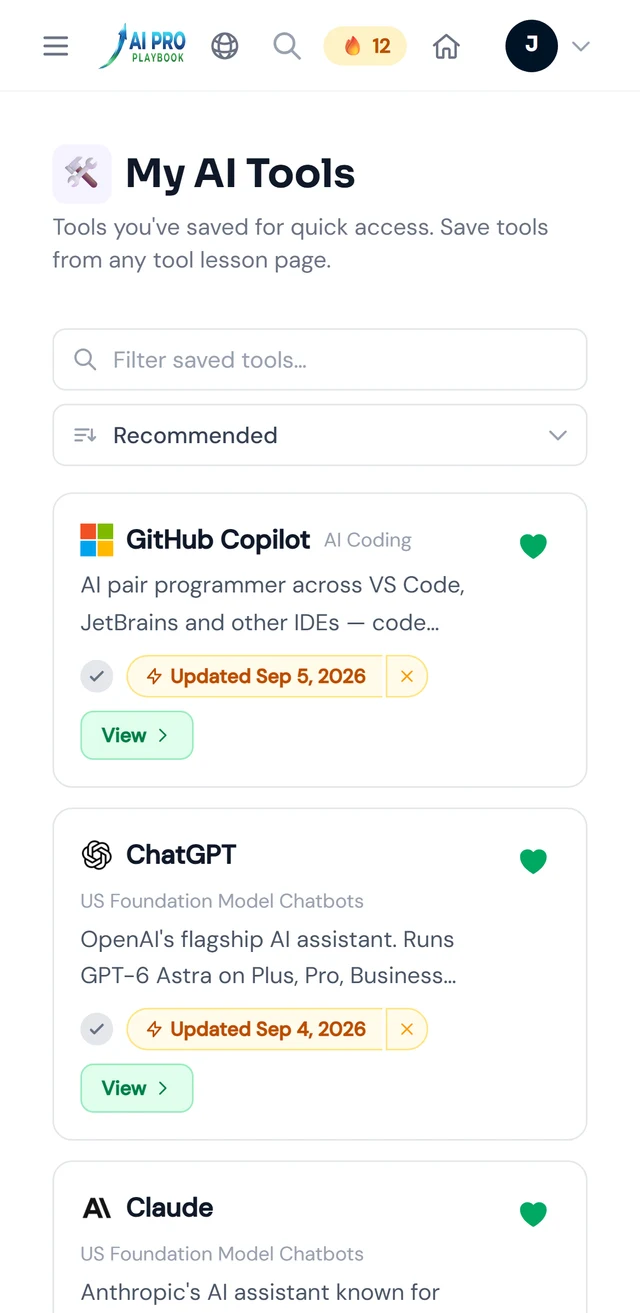
Swipe for Recommended for you and My AI Tools
Your AI Hub — sample data. See desktop view example
🛠️Top AI Tools for This Topic

 Flock Safety
AI camera network built on automated license-plate recognition and a shared police search network across 5,000+ communities.
 Peregrine
Data-integration and analytics platform that unifies siloed police data into a searchable real-time crime center.

 Skydio Drone as First Responder
Autonomous drones that auto-dispatch from a 911 or sensor trigger and stream live video to responders in under 90 seconds.
 Prepared
AI assistant for 911 call centers: real-time transcription, translation, location and multimedia intake, and triage. Now part of Axon.
 Mark43
Cloud-native computer-aided dispatch and records-management platform for police, now adding AI report assistance and search.
 Truleo
Natural-language processing that analyzes body-camera audio to flag officer conduct for accountability review.
 Abel Police
Y Combinator-backed startup automating police paperwork with AI report writing from body-cam footage and a CJIS-compliant assistant.