📘Overview
Updated July 22, 2026Robotaxis are the most visible face of autonomous driving: cars that pick up passengers and drive themselves through city streets with no one behind the wheel. After years of pilots, driverless passenger service now operates commercially in a growing number of cities across the US, China, and the Middle East, alongside autonomous shuttles and microtransit.
💡The AI Opportunity
This topic covers the operators and platforms behind passenger autonomy — scaled robotaxi fleets, publicly traded operators offering rare financial transparency, Toyota-backed shuttle-to-robotaxi paths, and companies that license their autonomy software to others rather than running fleets.
🤖AI in Action
The genuine AI is the Level 4 self-driving stack — perception, prediction, and planning robust enough to handle dense, unpredictable urban environments without a human fallback. Some players operate their own fleets; others license the autonomy software to automakers and mobility platforms. The honest framing is consistent across the topic: the autonomy is real and, in several cities, genuinely driverless — but robotaxi unit economics remain challenging, regulation differs sharply by market, and much deployment is geographically concentrated.
Keep track of the topics you follow
- Save the topics you follow
- Get ⚡ alerts when their tools and companies change
- Curated tools for this topic, from 900+ AI tool profiles
- Today’s top AI Stories — the day’s most important AI news, free
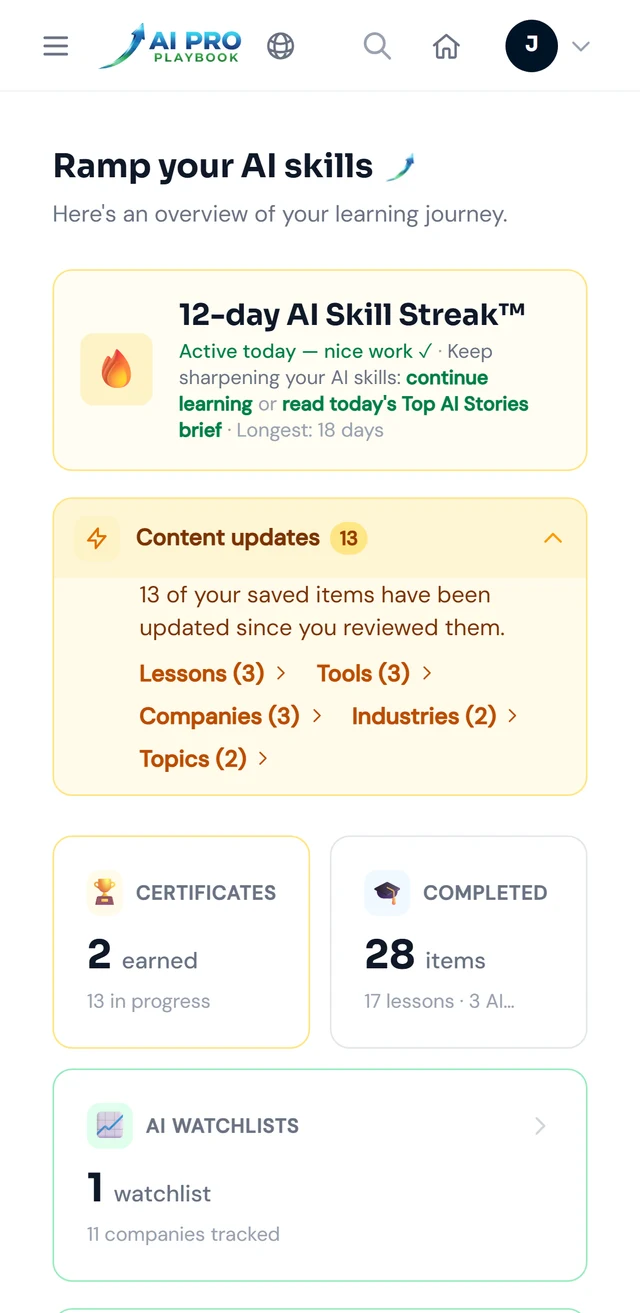
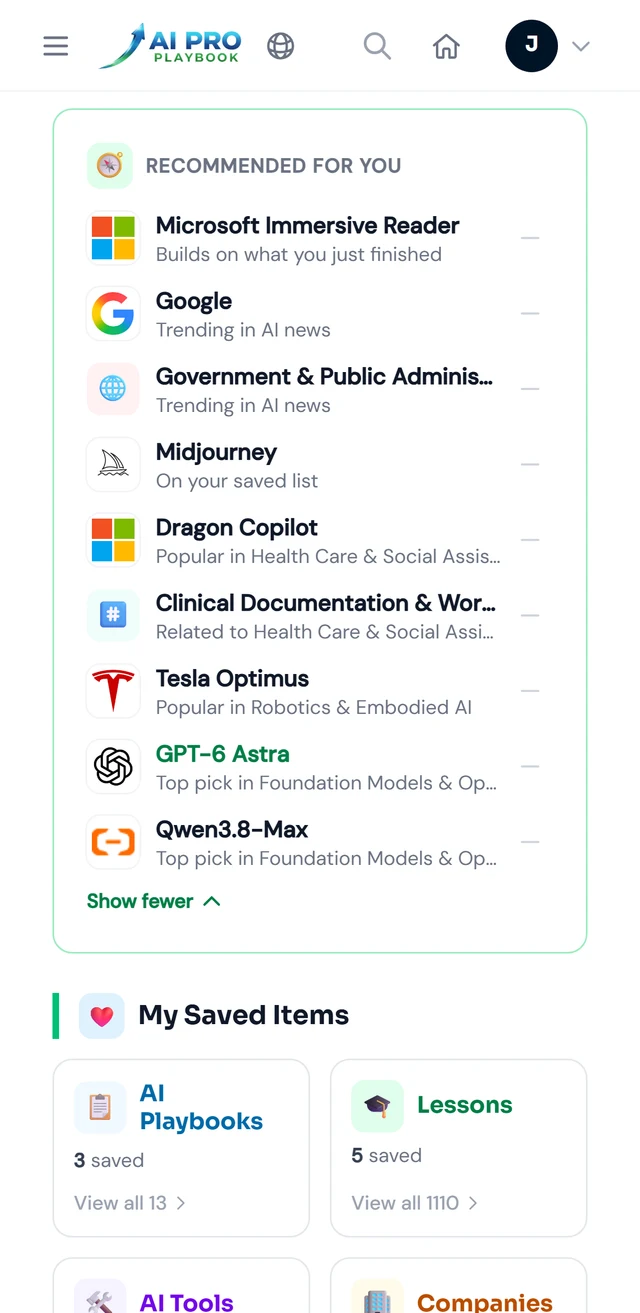
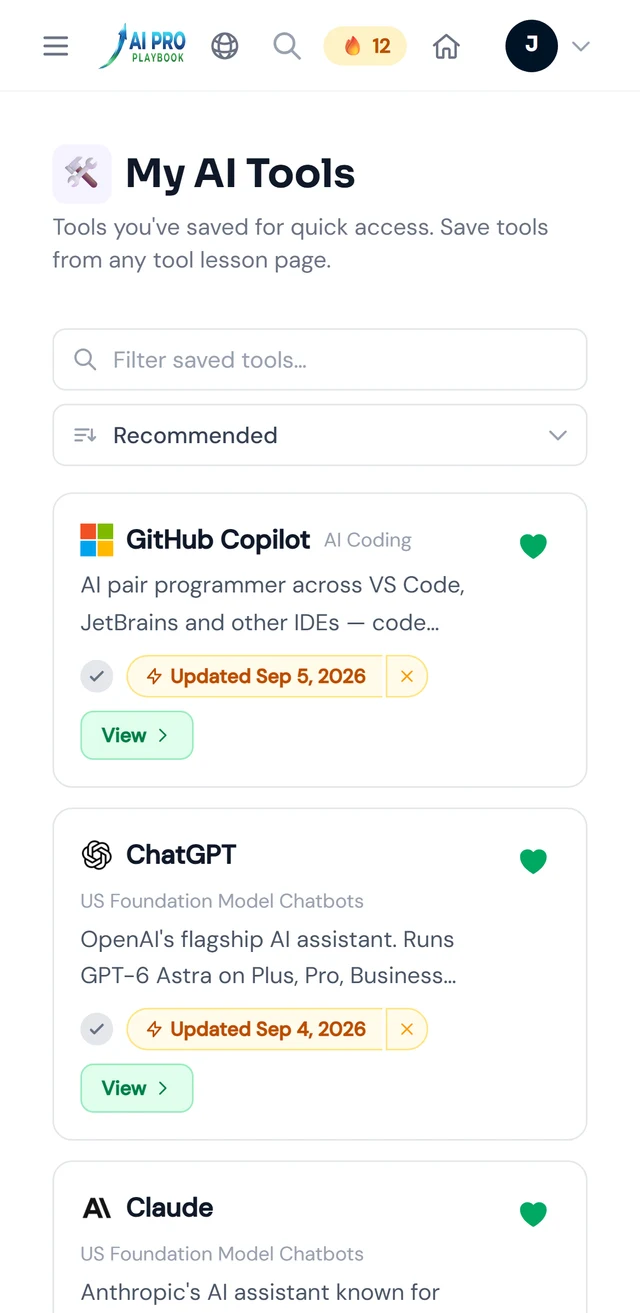
Swipe for Recommended for you and My AI Tools
Your AI Hub — sample data. See desktop view example
🛠️Top AI Tools for This Topic
 Waymo One
Most commercially advanced autonomous robotaxi service. Operating in 10+ US cities with 170M+ fully autonomous miles driven. 91% fewer serious-injury crashes vs human drivers.


 Zoox Robotaxi
Amazon's purpose-built autonomous robotaxi with bidirectional design. Operating in San Francisco and Las Vegas, expanding to Austin and Miami. Uber partnership.

Tesla's Full Self-Driving technology and purpose-built Cybercab robotaxi, in production since April 2026 and carrying paying riders in Austin since September 3, 2026 under an open NHTSA audit of Tesla's self-certification. Vision-only autonomous driving across ~2M FSD-capable vehicles.
 May Mobility
Toyota-backed autonomous shuttles/microtransit scaling to robotaxis with Multi-Policy Decision Making autonomy.
 Nuro Driver
Level 4 autonomy software licensed to automakers and mobility platforms (Uber/Lucid), built on NVIDIA Drive Thor.
 Wayve
WayveWayve builds AV2.0 — a camera-first, end-to-end neural network that learns to drive from data rather than HD maps, with robotaxi (Uber) and driver-assist (Nissan) launch partners.