📘Overview
Updated June 25, 2026Clinical documentation is the record-keeping that surrounds every patient encounter — the visit notes, orders, coding, and messages that consume a large share of a clinician's day. It is also a leading cause of burnout: doctors and nurses routinely spend hours after clinic finishing notes, the so-called pajama time. Reducing that administrative load is one of the highest-value problems in healthcare, and it is where AI has been adopted fastest.
💡The AI Opportunity
Ambient documentation is the breakthrough. An AI listens to the natural conversation of a visit and drafts a structured clinical note in real time, which the clinician reviews and signs. Large language models also draft patient messages, summarize long charts, and handle coding and prior-authorization paperwork. Because the AI assists rather than decides, and a licensed clinician reviews every note, adoption has moved faster here than anywhere else in medicine.
🤖AI in Action
Dragon Copilot (the Microsoft and Nuance ambient assistant) and Abridge lead the ambient-scribe market, drafting notes from the visit conversation across large health systems. Suki AI offers a voice-first assistant for notes and orders, and Augmedix pioneered ambient documentation at scale. The horizontal assistants ChatGPT and Claude are widely used by clinicians to summarize records, draft messages, and look up guidance — always with human review before anything enters the record.
📊Impact on Jobs
Ambient documentation is giving clinicians back hours each day and measurably reducing burnout, which is why it has become the most widely deployed AI in healthcare. The work shifts from typing notes to reviewing and correcting AI drafts, and from manual coding to verifying machine-generated codes. Medical scribe and transcription roles are the most exposed, while the clinician's judgment and the review step remain essential — an AI-drafted note is a starting point, not a signed record. The net effect is less time on paperwork and more time with patients, the rare AI shift that clinicians broadly welcome.
Keep track of the topics you follow
- Save the topics you follow
- Get ⚡ alerts when their tools and companies change
- Curated tools for this topic, from 900+ AI tool profiles
- Today’s top AI Stories — the day’s most important AI news, free
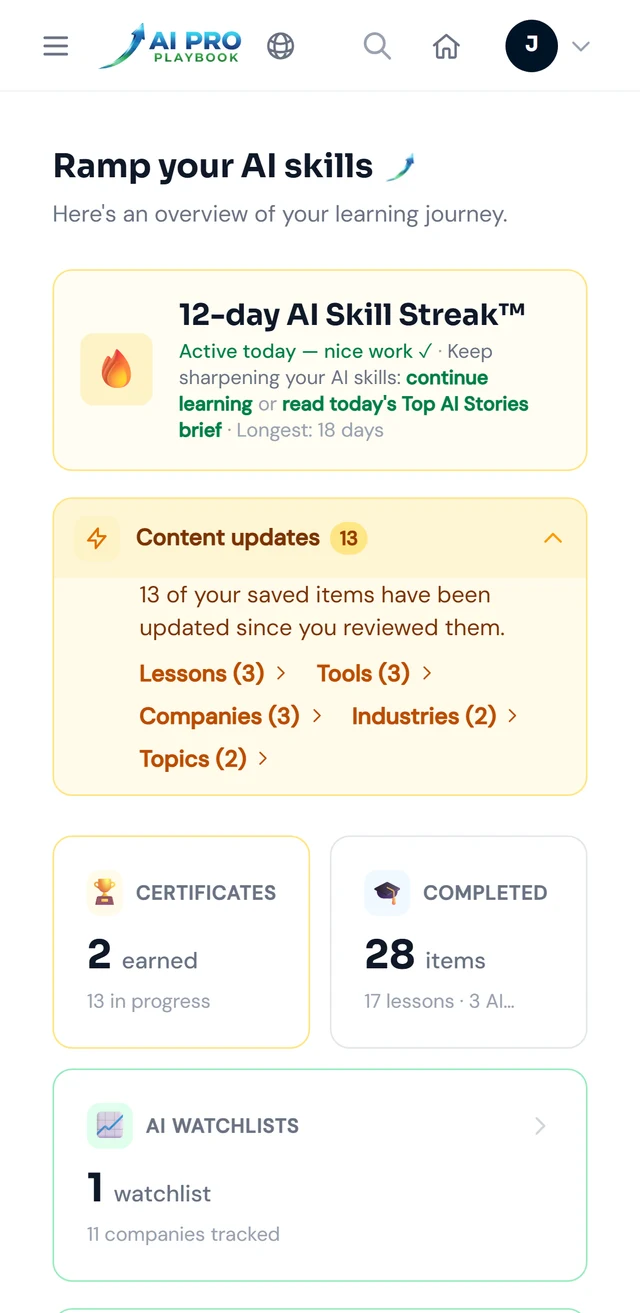
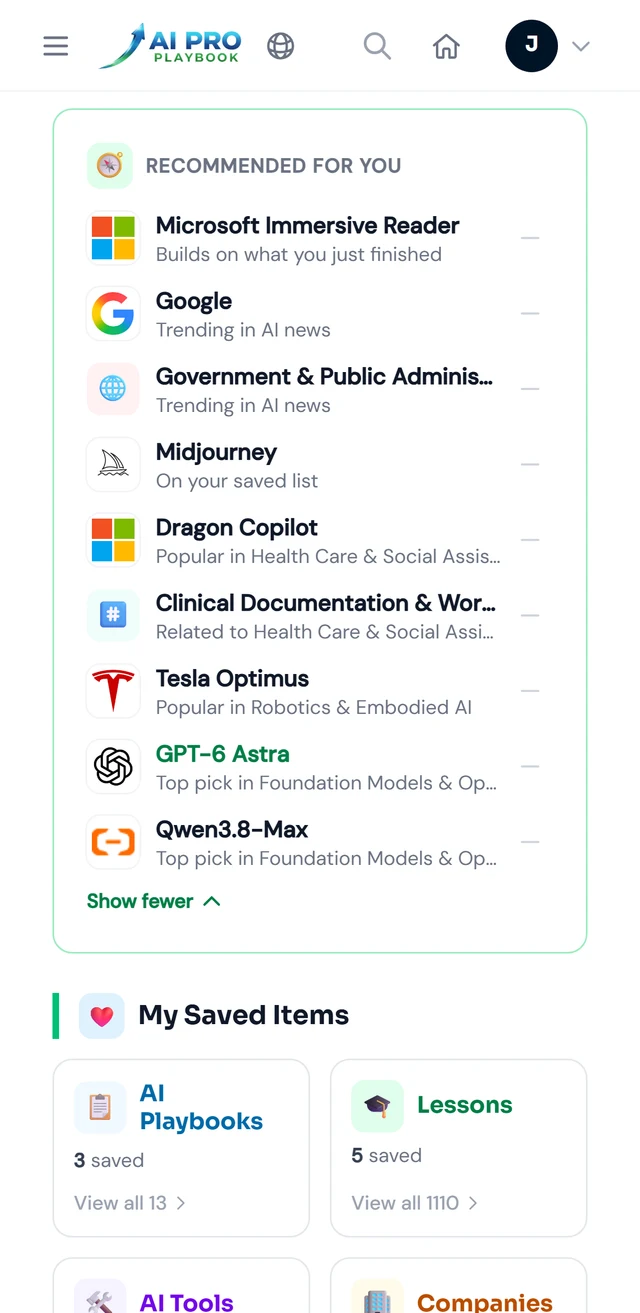
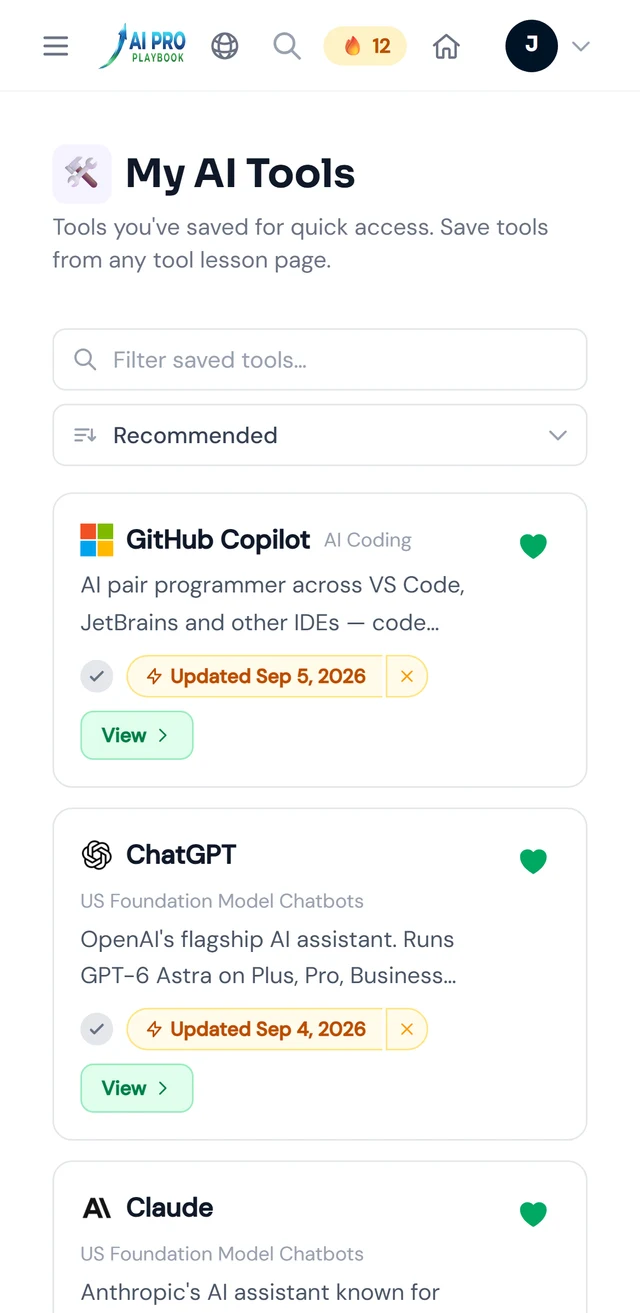
Swipe for Recommended for you and My AI Tools
Your AI Hub — sample data. See desktop view example
🛠️Top AI Tools for This Topic

Microsoft clinical AI assistant (formerly Nuance DAX) that listens to patient-physician encounters and auto-generates SOAP notes, visit summaries, referral letters, and after-visit instructions. Agentic capabilities handle prior authorizations and medication refills. Deployed at 600+ health systems.
 Abridge
Ambient clinical-documentation AI for physicians — listens to patient encounters and generates structured notes that integrate directly with the EHR.
 Ambience Healthcare
Enterprise ambient AI platform — drafts clinical notes from the visit conversation and supports coding and revenue-integrity workflows across health systems.
 Suki AI
Voice-driven AI assistant for clinical documentation — used by physicians across primary care and specialty practices for hands-free note-taking.
 Augmedix
Ambient clinical-documentation AI used across acute care, ambulatory, and skilled-nursing facilities — combines AI scribes with human review for high-accuracy notes.
 ChatGPT
OpenAI's flagship AI assistant. Runs GPT-6 Astra on Plus, Pro, Business and Enterprise since September 3, 2026, with GPT-5.6 Luna still the free default and unlimited free text chats. Includes GPT Image 2, full-duplex voice, Deep Research, ChatGPT Health, Sites for building and hosting web apps, and an auto-enrolled restricted mode for under-18s.
 Claude
Anthropic's AI assistant known for long-context reasoning, coding, and following nuanced instructions, with a 1 million token context window. Offers the current Claude lineup from the economical Opus tier up to the Fable flagship. Strong safety and helpfulness balance.
 xCures
Health-AI platform whose Clinical Clarity Engine uses AI to turn scattered, unstructured medical records into structured, decision-ready clinical data for clinicians, researchers, and life-sciences teams.
 Commure
AI-native healthcare platform unifying ambient documentation, revenue-cycle management, and hospital operations across hundreds of provider organizations; parent of ambient-scribe Augmedix.
 Nabla
NablaAmbient AI medical scribe (a European leader) that generates structured clinical notes from patient encounters and is expanding into agentic clinical workflows.
 Heidi
HeidiAmbient AI medical scribe that drafts clinical notes, letters and tasks from a consultation, with a free tier for any clinician, cited clinical answers via Heidi Evidence, and Epic and Oracle Cerner integration on team plans.
 Tandem AI Scribe
Ambient AI medical scribe for European clinicians that drafts structured notes from a consultation. Certified Class IIa under the EU MDR in May 2026, with a free plan and self-serve Pro.